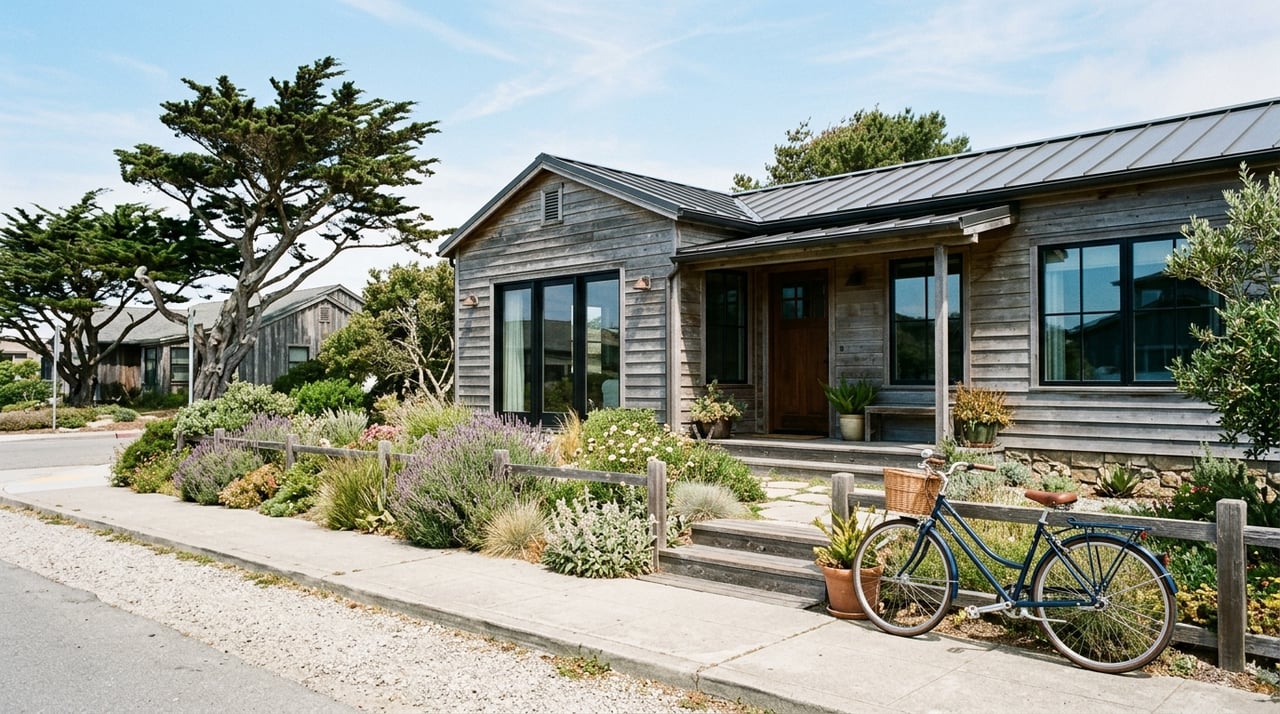
Living in Seaside CA for Walkable Coastal Routines
April 23, 2026
April 23, 2026
If your ideal coastal day starts with a short coffee run, includes an easy walk or bike ride, and ends near the beach, Seaside deserves a closer look. This is not a one-note shoreline community. It is a practical coastal city where daily errands, outdoor time, and housing choices are becoming more connected. Let’s dive in.
Seaside offers a version of coastal living that is grounded in everyday use. You are not just close to the water. You are also in a city with neighborhood parks, commercial corridors, and growing transit connections that can support a more flexible routine.
By population, Seaside is the largest of the three nearby comparison cities at 31,524 residents, according to U.S. Census QuickFacts. The city also reports 25 parks, nearly 90 acres of parkland, an indoor pool, a teen center, baseball fields, a large multi-use field, and 12 free special events each year, which adds real substance to the idea of day-to-day livability.
One of the clearest parts of Seaside’s walkability story is West Broadway. The city identifies it as the downtown commercial core, and the West Broadway Complete Streets and Urban Village planning effort is designed to make the corridor safer and easier for walking and biking.
That work includes reducing lanes, adding protected and buffered bike lanes, improving crossings, and creating Seaside’s first continuous east-west bike route. In practical terms, that supports the kinds of trips many people care about most, like picking up a meal, running errands, or getting across town without always relying on a car.
If you are thinking about lifestyle first, Seaside can appeal because its walkability is not limited to scenic recreation. It is also tied to the places where real life happens. That creates a more grounded coastal routine than a market built mostly around visitors.
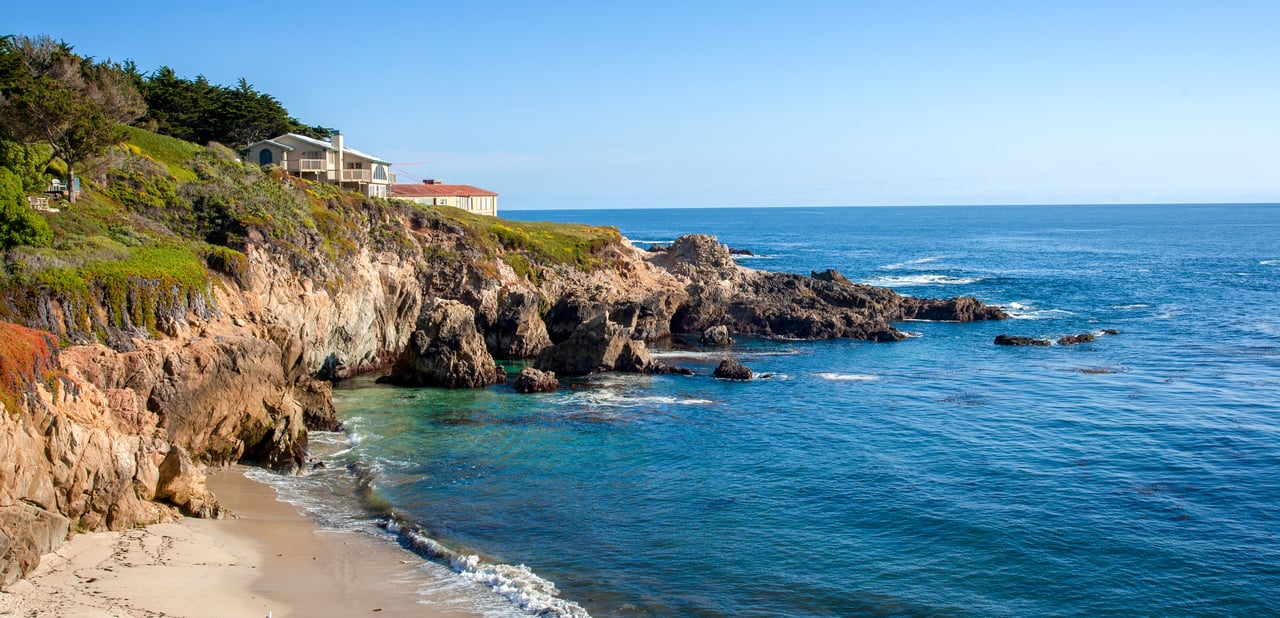
Seaside’s location makes it easy to weave the coast into an ordinary week. You do not need a full-day outing to enjoy the shoreline. In many cases, a beach walk, trail ride, or quick stop to catch the ocean air can fit naturally into your schedule.
A major nearby asset is Fort Ord Dunes State Park, which State Parks describes as adjacent to Seaside, Monterey, Marina, and Sand City. The park includes about 837 acres, four miles of ocean beach, day-use access, accessible beach access, and trail connections to the Monterey Bay Sanctuary Scenic Trail.
Another close option is Monterey State Beach, which State Parks describes as a mile-long, relatively flat beach near the Seaside exit off Highway 218, west of Highway 1. The site notes uses like surfing, ocean sports, and beachcombing, along with accessible parking and restrooms.
The Monterey Bay Recreation Trail is another key part of the local routine. Monterey planning documents describe it as running from Seaside to Pacific Grove along Monterey Bay and as an important pedestrian and bicycle transportation corridor.
For buyers who value active living, that matters. It means your coastal time can be something you build into a weekday, not just something you plan around on weekends.
Seaside’s housing stock gives you more than one way to live near the coast. A recent city analysis shows that about 71% of Seaside’s housing units are single-family homes, with detached homes making up the largest share. The same analysis breaks the inventory into 6,596 detached single-family units, 1,282 attached single-family units, 1,236 two-to-four-unit structures, 1,652 five-or-more-unit structures, and 377 mobile homes.
That mix is helpful because it supports different priorities. You may want a detached home with more space, a lower-maintenance attached option, or something closer to Broadway and other daily destinations.
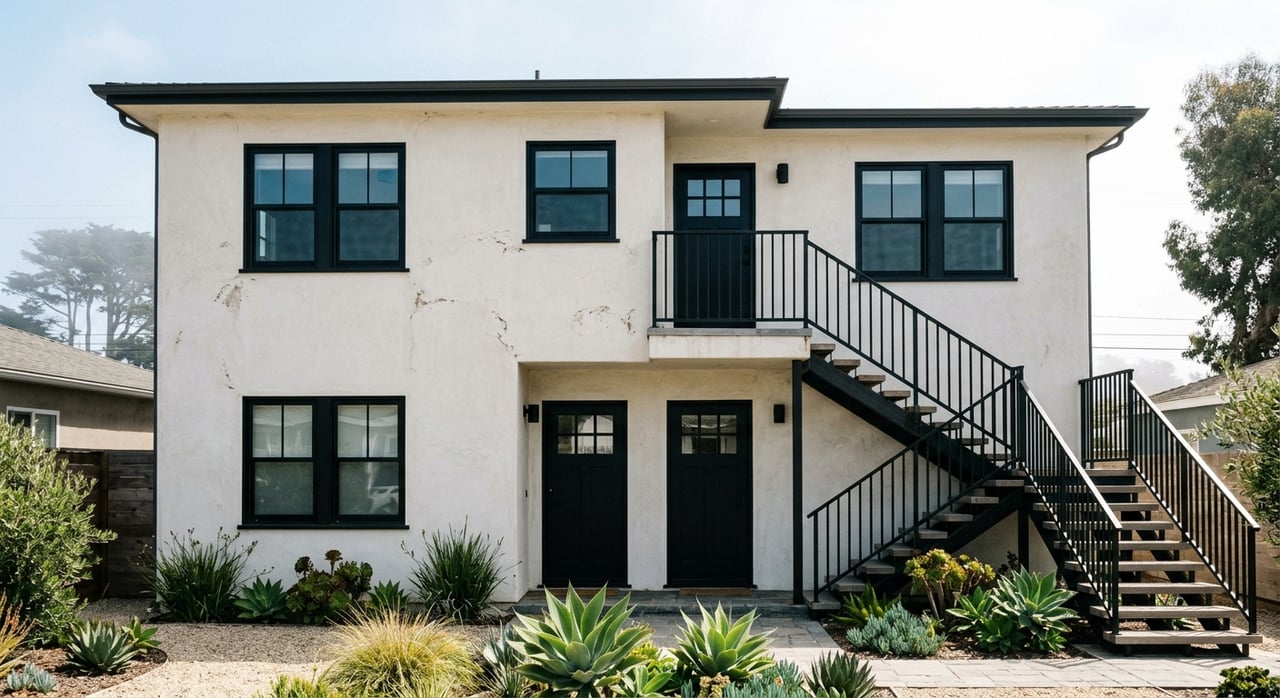
The city also allows accessory dwelling units in Seaside. For some buyers and owners, that can create useful flexibility for multigenerational living, guest space, or rental use, depending on the property and local rules.
That kind of adaptability matters in a coastal market where long-term needs can change. A home that works for you now may also need to support different uses later.
Seaside’s current development pipeline points to a more compact and connected future, especially around Broadway. According to the city, Seagrove at Terrace & Broadway is adding 106 residential units and about 4,000 square feet of commercial space.
The city also says Campus Town is planned for up to 1,485 housing units plus 150,000 square feet of retail, dining, and entertainment uses. In addition, the proposed Seaside Apartments at 1620 Broadway is a 21-unit affordable project within one-half mile of an existing high-quality transit corridor.
These projects help explain Seaside’s direction. The city is not being defined by one historic main street or one resort district. Instead, it is growing into a place where housing, retail, dining, and transit are becoming more closely linked.
For you, that may mean more opportunities to find a home that supports a simpler daily rhythm. It may also mean more value in locations near Broadway and other central corridors as those areas continue to evolve.
Walkability often works best when it overlaps with transit. In Seaside, that connection is becoming more meaningful. Monterey-Salinas Transit’s SURF! project overview says the busway will follow the same routing as existing Line 20 between Salinas, Marina, Sand City, Seaside, and Monterey, while adding new stops, a five-mile busway, and a multiuse trail connection.
That does not mean every household will go car-free. It does mean some residents may be able to build a more car-light routine, especially if they live near the city’s main corridors and use transit, biking, or walking for selected trips.
On the Monterey Peninsula, small differences in city layout can shape your daily experience. Seaside stands out because it blends beach access with a more practical errands-oriented pattern.
Compared with Monterey, Seaside is less centered on historic and visitor-oriented districts. Compared with Marina, it has a stronger downtown-core story, while Marina’s official visitor materials lean more heavily on beaches, dunes, and trail systems, including Fort Ord National Monument and its 83 miles of trails, according to the City of Marina.
Recent U.S. Census QuickFacts housing data offers a helpful comparison. Seaside’s owner-occupied housing rate is 35.4% with a median owner-occupied value of $787,100. Marina’s rate is 42.9% with a median value of $818,700, while Monterey’s rate is 36.2% with a median value of $1,076,300.
Those figures do not tell the whole story of value, but they do help frame Seaside as part of a broader Peninsula housing conversation. For many buyers, the city may represent a practical entry point into a coastal lifestyle with access to beaches, trails, parks, and central Peninsula destinations.
If you are considering Seaside, it helps to focus less on labels and more on how you want your week to function. The right fit often comes down to your routine as much as the home itself.
Here are a few smart questions to ask as you explore:
A thoughtful home search in Seaside should balance location, property type, and long-term use. When those pieces line up, the city can offer a coastal lifestyle that feels both active and realistic.
The most compelling thing about Seaside may be how usable it feels. This is a city where the coastal setting is real, but so is the day-to-day practicality. Parks, beaches, trails, Broadway improvements, and a broadening housing mix all support a lifestyle that feels approachable rather than performative.
If you are weighing a move within the Monterey Peninsula or looking for a home that better matches the way you want to live, Seaside is worth a serious look. For personalized guidance on Peninsula neighborhoods and housing opportunities, connect with J.R. Rouse Properties Group.
Stay up to date on the latest real estate trends.
Our team listens closely, works tirelessly, and puts your goals at the center of everything we do. Whether you're buying, selling, or simply exploring your options, we’re here to guide you with expertise, every step of the way.
J.R. Rouse Properties Group
574 Lighthouse Ave Pacific Grove CA 93950 J.R. Rouse | CA DRE# 01299649 | MLS ID 70010296