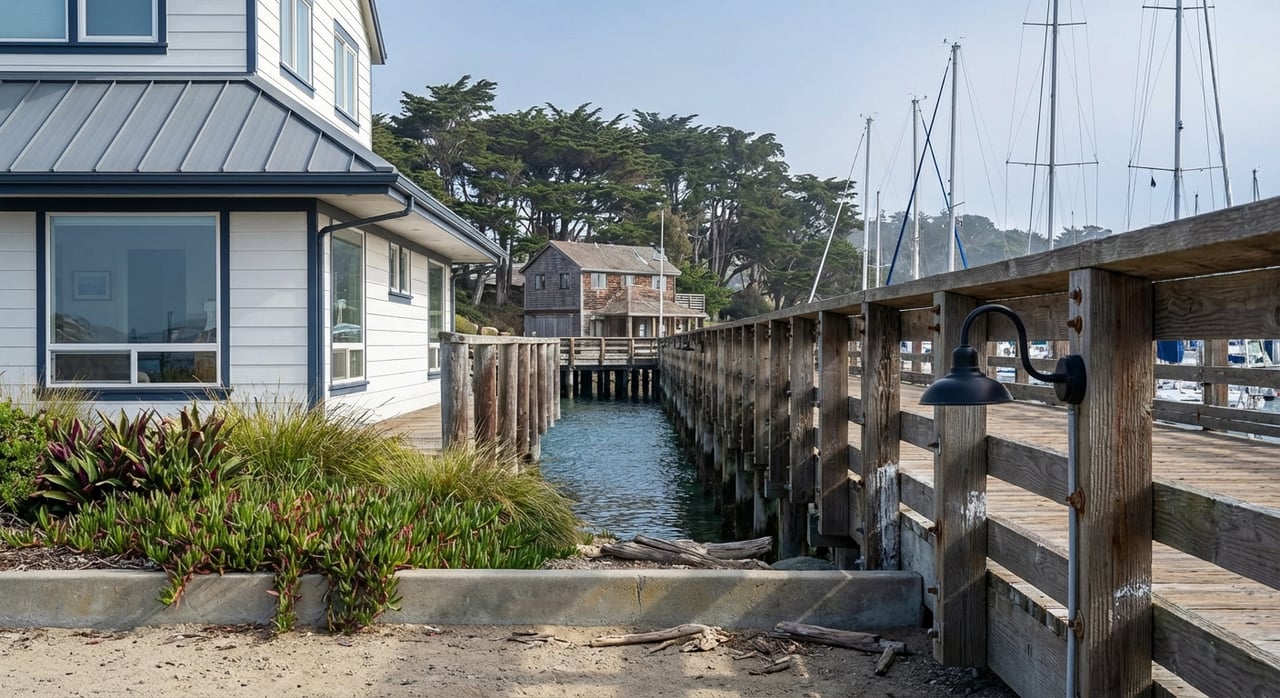
Marina vs Seaside Living: Comparing Coastal Lifestyles
February 19, 2026
February 19, 2026
Torn between Marina and Seaside for your next home on the Monterey Peninsula? You are not alone. Both offer easy coastal access, manageable commutes, and a laid‑back lifestyle, but they feel different on the ground and tend to attract buyers for different reasons. In this guide, you will compare housing, beaches, commutes, schools, and everyday amenities so you can decide which coastal flavor fits you best. Let’s dive in.
Choosing between Marina and Seaside often starts with what you want to buy and how you plan to live. Both cities include mid‑century single‑family tracts, townhomes and condos connected to Fort Ord reuse, and a range of apartments. Marina’s slightly higher owner‑occupancy rate suggests a somewhat larger share of owner‑residents, while both markets still include significant renter populations. That mix can influence voter priorities, neighborhood turnover, and investor interest.
Many single‑family homes in both cities have recently traded in the $700K to $1.1M band, with condos and townhomes often priced below that. Monthly medians move, and different data providers can vary. Treat the ranges here as a snapshot and rely on a live MLS search through your agent for the most current view.
If you want newer construction and one‑stop shopping nearby, Marina’s major mixed‑use area, The Dunes on Monterey Bay, is a highlight. The district has added retail anchors, dining, entertainment, and new‑home options that improve convenience and can support resale appeal for adjacent neighborhoods. You can explore representative new‑home offerings at The Dunes on Monterey Bay community.
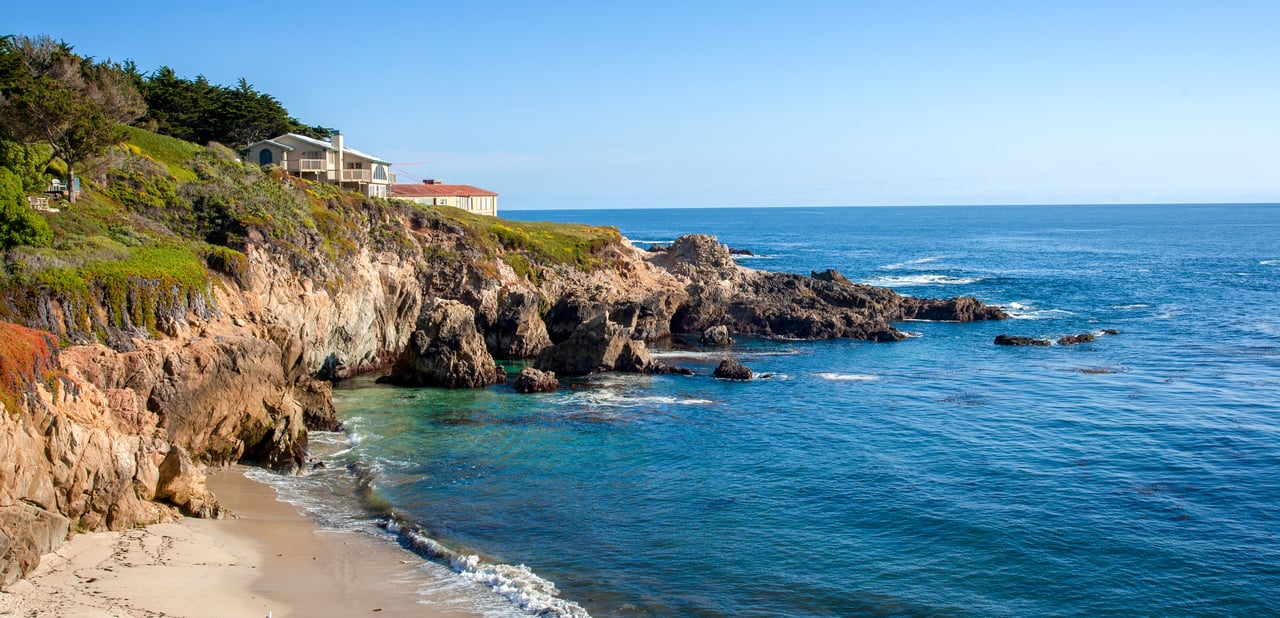
The coastline here is your everyday playground. Fort Ord Dunes State Park spans the waterfront between Marina and Seaside, offering miles of beach and protected dune habitat. State Parks is advancing a Fort Ord Dunes State Park campground project that signals continued investment in coastal access and visitor amenities.
If you picture morning walks on broad sand with wind in your face, Marina State Beach and the Marina Dunes areas deliver that open, airy feel. Residents often choose Marina for that immediate dune‑front experience and easy transitions to the coastal trail.
Seaside puts you close to Monterey’s shops, dining, and wharf areas while also offering elevated recreation. Golfers know Seaside for Bayonet & Black Horse Golf Courses, a 36‑hole complex with a storied history and expansive bay views on clear days. The nearby university environment adds educational and cultural programming that many residents enjoy.
Most residents in both cities drive to work, and average travel times are modest by California standards. The ACS 2020–2024 series shows about 21.0 minutes for Seaside and 24.1 minutes for Marina, which is a helpful planning baseline. Your actual commute depends on time of day and seasonal visitor traffic on Highway 1.
Transit is improving. Monterey‑Salinas Transit is building the SURF Busway and Rapid Transit project, a dedicated corridor between Marina, Sand City, and Seaside. As new stations come online, you can expect faster and more reliable bus service along this key stretch. If you value transit or want to reduce drive time, track station locations and opening timelines as part of your search.
Marina’s Dunes retail area has become a day‑to‑day convenience boost, with national anchors, a theater, and restaurants in one place. Seaside, neighboring Sand City, and Monterey round out shopping with additional plazas and tourist‑oriented retail a short drive away. If you prefer walkable errands vs. quick car trips, compare specific neighborhoods around these activity centers.
Families should start school research early. Many neighborhoods in both Marina and Seaside are served by the Monterey Peninsula Unified School District. Always verify current school boundaries and program offerings for a specific address on the district site. Neutral, data‑driven comparisons help you choose the best fit for your needs.
Healthcare and services are distributed across the peninsula, with hospitals and major clinics concentrated in Monterey and Salinas. The former Fort Ord area continues to evolve, adding community facilities, retail health, and veteran‑oriented services as part of the reuse program.
Crime patterns vary by block and change over time. The best approach is to review official city resources and credible data tools, then visit neighborhoods at different times of day. Start with Marina Police Department resources and example city‑level summaries such as crime summaries for Marina. For Seaside, use the city’s police channels and any available public dashboards.
Much of both cities sits on or near former Fort Ord land, and local jurisdictions now handle reuse planning and project approvals. Many projects go through environmental review, which can affect timelines and construction impacts. If you are considering a new home or a property near active development, ask your agent to review the planning context and any pending proposals.
Environmental considerations matter on the coast. Before you buy in low‑lying or dune‑adjacent areas, review FEMA flood maps, local coastal vulnerability assessments, and any city notes on shoreline protection for the parcel. Your insurance advisor and agent can help you interpret site‑specific risk.
If you are weighing Marina and Seaside, a calm, data‑driven plan can make the choice clear. For tailored guidance and a live look at homes that fit your goals, connect with J.R. Rouse Properties Group. Schedule a free consultation.
Stay up to date on the latest real estate trends.

Our team listens closely, works tirelessly, and puts your goals at the center of everything we do. Whether you're buying, selling, or simply exploring your options, we’re here to guide you with expertise, every step of the way.
J.R. Rouse Properties Group
574 Lighthouse Ave Pacific Grove CA 93950 J.R. Rouse | CA DRE# 01299649 | MLS ID 70010296