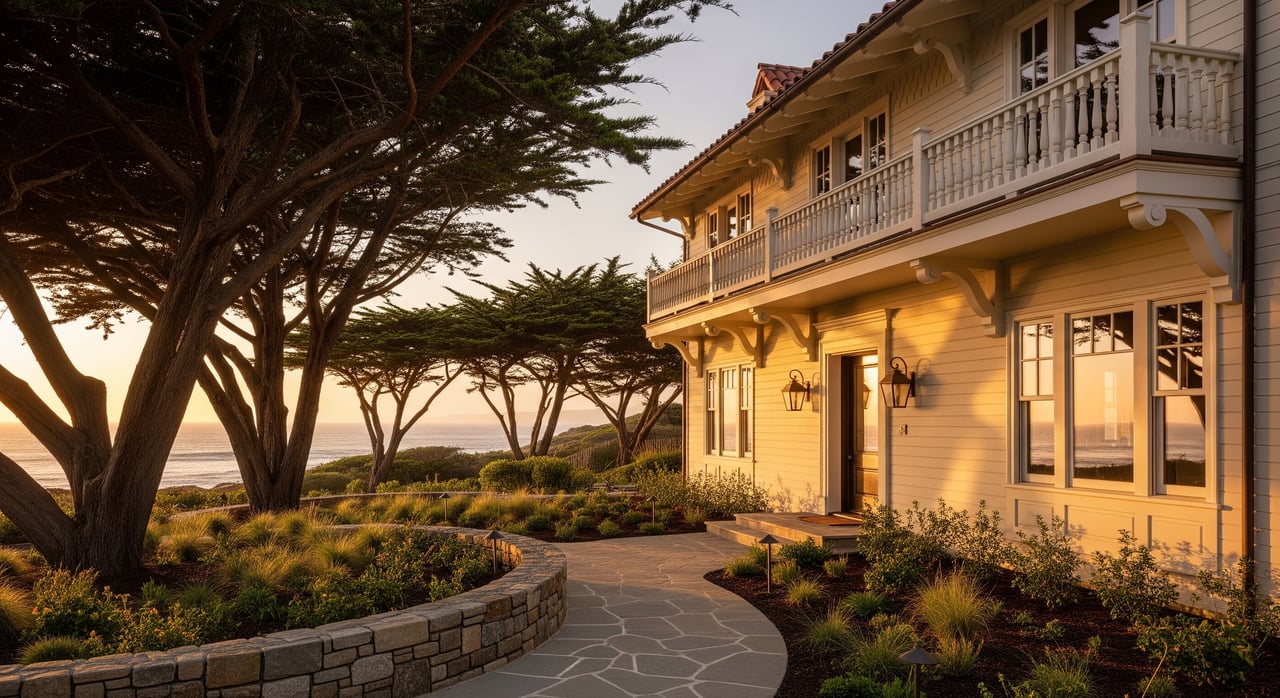
Monterey Historic Home Pricing Strategies for Sellers
February 5, 2026
February 5, 2026
Thinking about selling a historic or character home in Monterey and not sure where to start with price? You are not alone. These homes inspire strong emotions and careful scrutiny, which makes pricing both an art and a science. In this guide, you will learn how designation, condition, incentives, and appraisal realities shape value, plus the steps to build a defensible asking price with your agent. Let’s dive in.
Not every older home is legally “historic,” and that difference matters for price. In Monterey, you will typically see three categories: local landmarks or homes in a local historic district, properties listed on state or federal registers, and character homes with notable architecture but no formal status. Each category can influence your buyer pool, permitting, and carrying costs.
Local designation often triggers design review for exterior changes and can affect how quickly you or a future buyer can renovate. State or federal listings are usually honorary for single-family homes, but they can add prestige and, in some cases, eligibility for certain programs. Many Monterey homes are prized for style alone, including Monterey Colonial, Victorian and Queen Anne, Craftsman bungalows, and Spanish or Mediterranean Revival. If your home’s character is intact, that can support a price premium with the right buyer.
Provenance supports value. If your home has documented history, original plans, notable architect ties, or intact features like built-ins, moldings, or windows, you may be able to command a premium. Buyers also respond to integrity. Sympathetic updates that respect the era usually help. Inappropriate alterations or loss of defining details tend to reduce value.
Foundation, seismic stability, roof, electrical, plumbing, HVAC, and moisture or pest findings directly affect price. Older hazards such as lead-based paint, asbestos, or knob-and-tube wiring can influence financing and repair budgets. If deferred maintenance is visible, most buyers will discount their offers to cover risk and work.
Proximity to the coast, Monterey Bay views, and walkability to Old Monterey or Cannery Row often elevate demand. Homes within cohesive historic streetscapes or districts tend to hold value well because the setting supports the architecture. If your historic home is surrounded by very different construction, buyer perception can vary, which your pricing should reflect.
Lot size, off-street parking, and potential for accessory dwelling units can improve buyer utility. Historic designation may limit expansions, which matters if your likely buyer wants more square footage. Clarify what is feasible so you can price with confidence and set realistic expectations.
Property taxes, insurance for older structures, and ongoing restoration needs influence what buyers are willing to pay. A Mills Act contract can reduce property taxes in exchange for agreed preservation work. Lower annual taxes can increase a buyer’s effective purchasing power, which can support a stronger price if you document the benefit clearly.
Start with recent neighborhood sales that match size, lot, and location. Then adjust for designation, architectural integrity, originality of features, and condition. If direct comps are scarce, widen the search to nearby areas with similar historic stock and use time adjustments. Document your adjustments so appraisers and buyers can follow your logic.
Appraisers may struggle to quantify unique features if comps are limited. Experience matters. Ask your agent to coordinate with an appraiser familiar with historic or special-purpose homes. Expect lenders to require clearance for safety items or major structural issues. If your property has a preservation easement or restrictive covenant, disclose it early so underwriting can evaluate it without delays.
You can price to niche, price to market, or use a range strategy. Pricing to niche means setting a premium and marketing to buyers who value provenance and intact detail. Pricing to market means aligning with broader neighborhood sales adjusted for condition to maximize the buyer pool. A range strategy pairs a realistic list price with a clearly supported ceiling, backed by documentation.
Order a general home inspection and pest report, then add specialists where likely issues exist. Seismic, foundation, roof, and hazardous materials reports can reduce buyer uncertainty. Gather historic documentation, including original plans, permits, restoration receipts, prior appraisals, and any designation paperwork. A clean, organized packet supports your price and speeds appraisal and lender review.
Cosmetic updates like paint and light kitchen or bath refreshes can yield strong appeal for modest cost. Large projects like full system replacements or structural work are costly and time-consuming. Compare the net gain from doing work now versus marketing as a restoration opportunity with an adjusted price. Your agent can help you model likely buyer reactions and timelines.
You must complete the Transfer Disclosure Statement and disclose known material facts about the property’s condition. For pre-1978 homes, include the federal lead-based paint disclosure and required EPA pamphlet. Natural hazard disclosures apply as relevant, such as coastal flood, earthquake fault, or tsunami evacuation zones. If your property has historic easements or covenants, disclose them clearly.
The California Historical Building Code offers alternative compliance paths for qualified historic buildings. While this can create flexibility, specialized permitting and design review can lengthen timelines. Buyers factor this risk into offers, so clarify what approvals are required for common projects.
Older materials and construction methods can affect insurability and premiums. Check your current insurance status and any limitations. Providing this information upfront helps buyers price risk accurately and can protect your net proceeds.
A Mills Act contract can reduce property taxes in exchange for preservation obligations. Confirm whether your home has an existing contract, whether it can transfer, and the current annual tax savings. Federal tax credits generally apply to income-producing properties, not typical owner-occupied single-family homes.
Expect interest from local buyers who value continuity and original features, out-of-area second-home seekers drawn to the coast, and preservation-minded buyers who appreciate authenticity. Investors are less common unless the property has specific income or adaptive reuse potential.
Use professional photography and floor plans that highlight original details such as trim, windows, mantels, and built-ins. Share provenance, era, and any restoration timeline to help buyers connect. Done well, the story reinforces why your price makes sense.
Offer a complete packet with inspections, restoration invoices, permits, and designation documents. When buyers see clear evidence of care and compliance, they perceive less risk and are more willing to meet your asking price.
Your agent should tap preservation networks, local historical societies, and brokers who already work with historic property buyers. Focused distribution can uncover the niche buyer who values authenticity and is willing to pay for it.
Selling a historic or character home in Monterey calls for senior oversight, local relationships, and precise presentation. You want an advisor who understands neighborhood context, historic designations, and how to market provenance to the right buyers. Our boutique, senior-led team combines deep Peninsula expertise with Sotheby’s global reach to position your home for maximum exposure and a defensible price.
We provide consultative valuations, curated marketing, and disciplined communication so you stay ahead of appraisal and lending hurdles. If you are considering a sale, let’s talk through your goals, documents, and pricing options. Start your plan with a friendly, focused conversation with the team at J.R. Rouse Properties Group.
Stay up to date on the latest real estate trends.

Our team listens closely, works tirelessly, and puts your goals at the center of everything we do. Whether you're buying, selling, or simply exploring your options, we’re here to guide you with expertise, every step of the way.

J.R. Rouse Properties Group
574 Lighthouse Ave Pacific Grove CA 93950 J.R. Rouse | CA DRE# 01299649 | MLS ID 70010296