House hunting on the Monterey Peninsula can feel like walking through a living museum. Each neighborhood tells a story through its architecture, and understanding those styles can help you buy with confidence. In this guide, you’ll learn how to identify the major home styles in Monterey, where you’ll typically find them, what maintenance they demand in our coastal climate, and what to look for during inspections. Let’s dive in.
Quick map of Monterey styles
Monterey Colonial: The hometown original
Monterey Colonial began here in the early 19th century, blending Spanish adobe traditions with New England forms. Look for a two‑story block with a second‑story balcony, a low‑pitched gable roof, and stucco or wood walls. Many façades read symmetrical, and later revivals used wood or masonry with stucco finishes.
Older adobe and masonry need careful moisture control and often specialist preservation. Wooden balconies and period windows may require repair, and very old structures can have foundation and seismic retrofit needs. Resale appeal is strong due to historic character, though historic review can both preserve value and limit exterior changes.
Spanish Colonial/Revival and Mediterranean
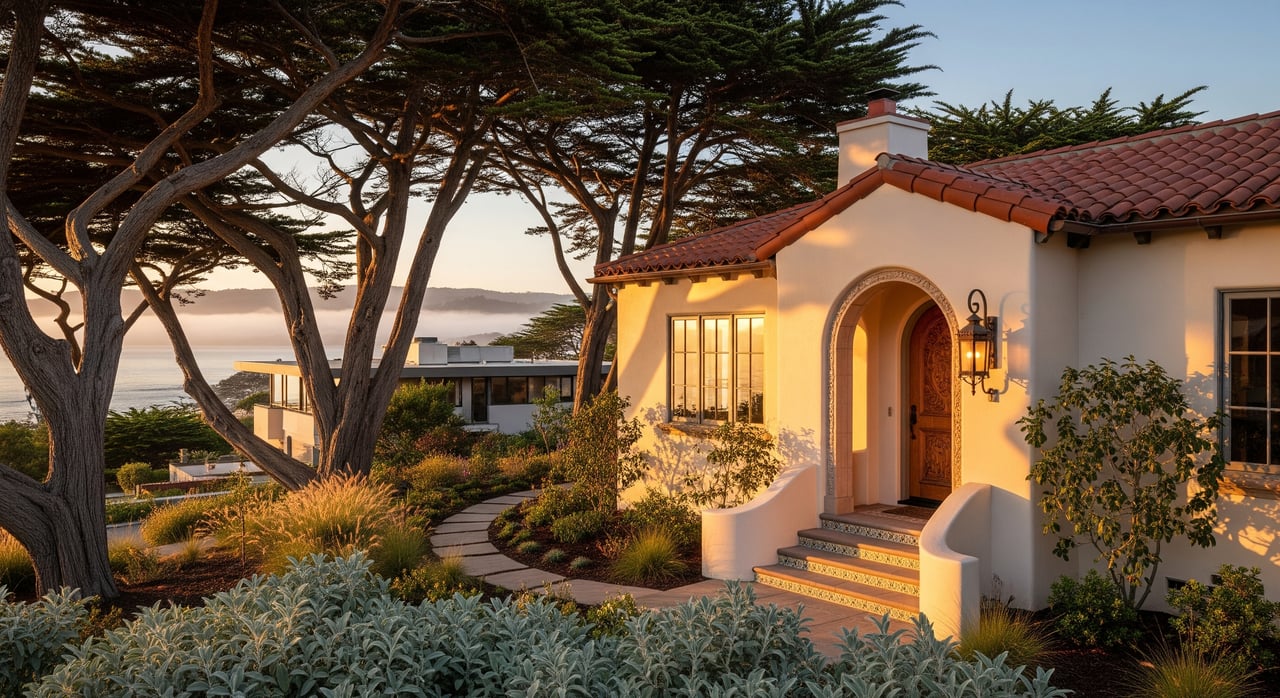
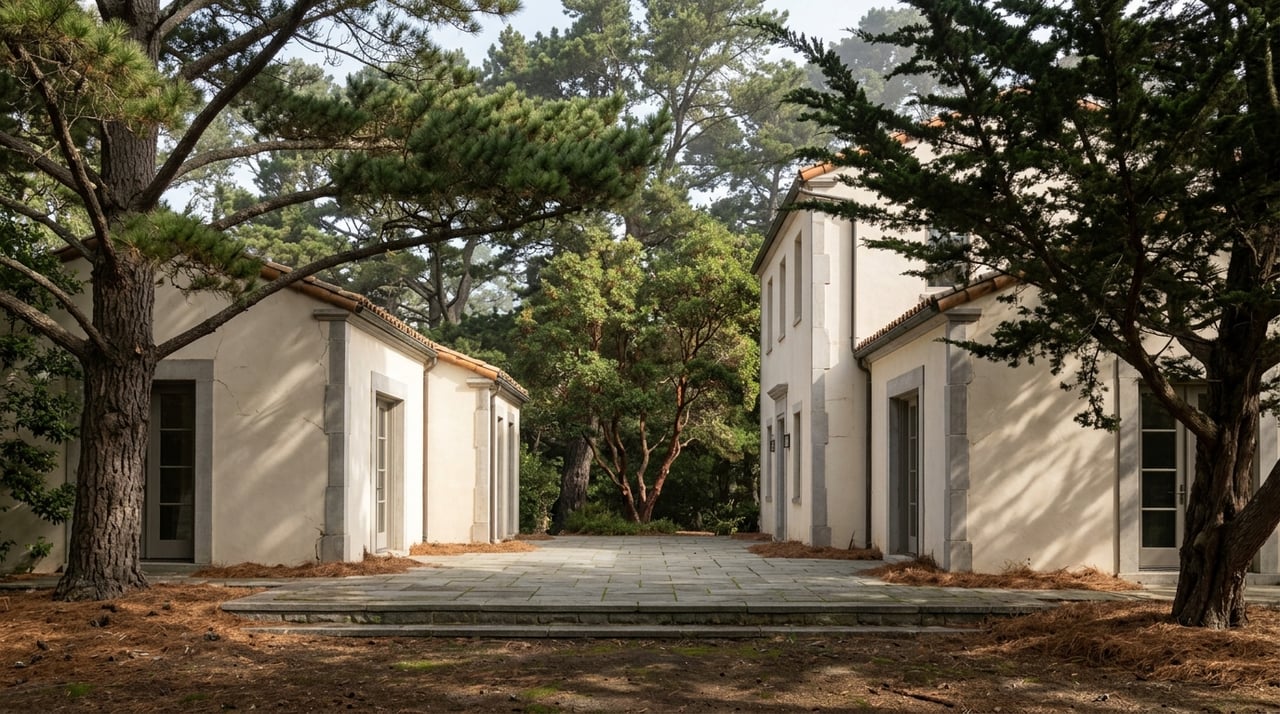
Popular from the 1910s through the 1930s and later adapted as “Mediterranean,” these homes feature smooth stucco, clay tile roofs, arches, and wrought iron accents. Many include small courtyards that fit our indoor‑outdoor lifestyle. Interiors often have plaster finishes and decorative ironwork.
In the coastal climate, watch for stucco cracking and water intrusion at roof‑wall junctions, and confirm proper flashing and drainage. Clay tiles are durable but heavy, so the roof structure must be sound, and salt air can corrode metals. Buyers value the curb appeal and period details, but roof or stucco repairs can be costly.
Craftsman and California Bungalow
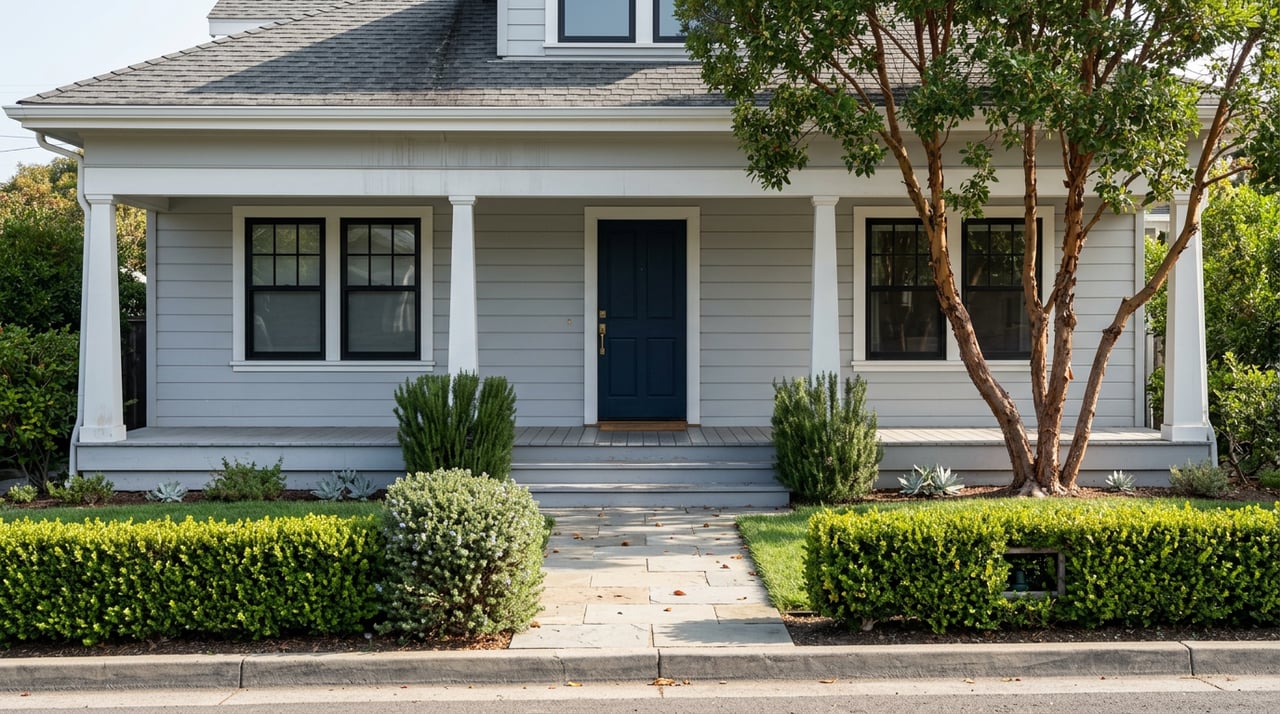
Early 1900s through the 1930s brought Craftsman bungalows with low‑sloped gabled roofs, exposed rafters and brackets, and tapered porch columns on sturdy piers. Inside, you’ll often find built‑ins and wood windows that define the style’s warmth.
Wood rot and termites are common concerns in a moist coastal environment, and original single‑pane windows may affect energy use. Older mechanical systems are typical, and hillside bungalows can show settling. These homes are broadly popular, and sensitive updates that respect built‑ins and trim tend to perform well at resale.
Victorian: Queen Anne, Italianate, Eastlake
Victorian homes from the late 1800s to early 1900s stand out with asymmetrical façades, decorative trim, bay windows, and complex rooflines. Queen Anne examples may include towers or turrets and intricate millwork that requires ongoing care.
Ornate wood exteriors need regular paint and trim maintenance, and complex roofs deserve close inspection. Pre‑1978 properties can have lead‑based paint, and older plumbing or electrical systems may need modernization. These homes offer strong charm and historic value in the right settings, though upkeep can narrow the buyer pool.
Mid‑Century Modern
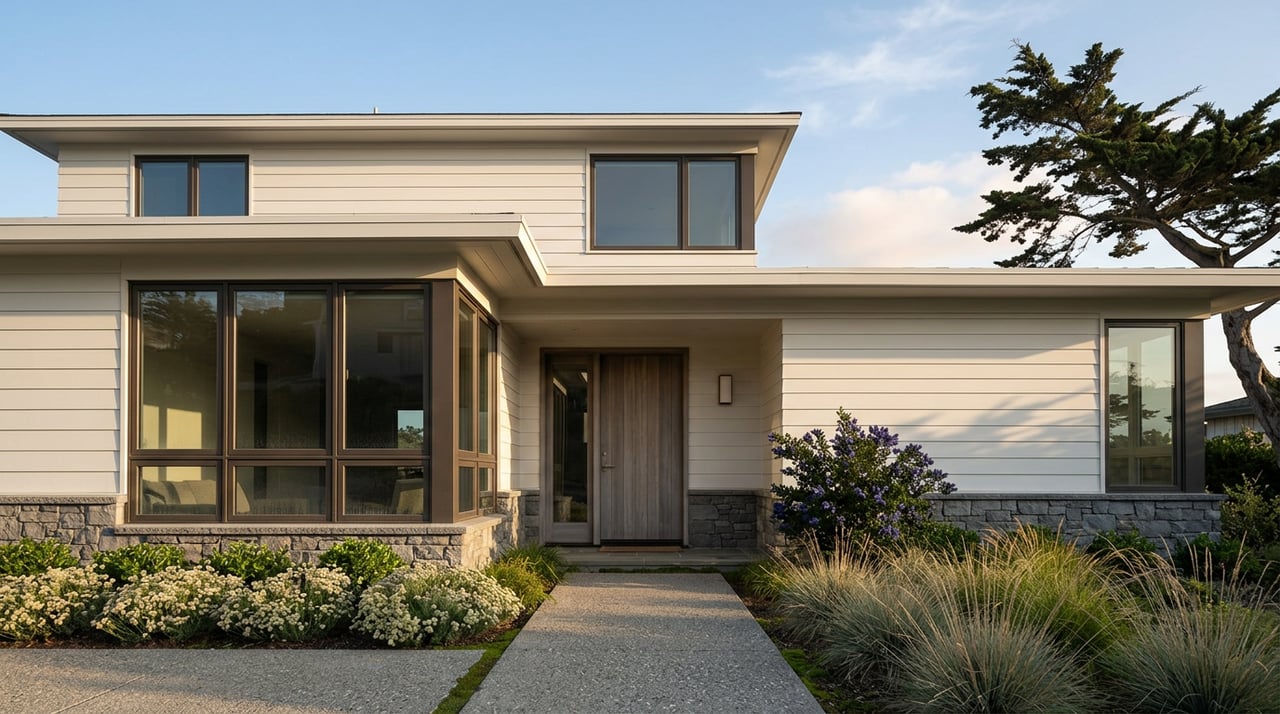
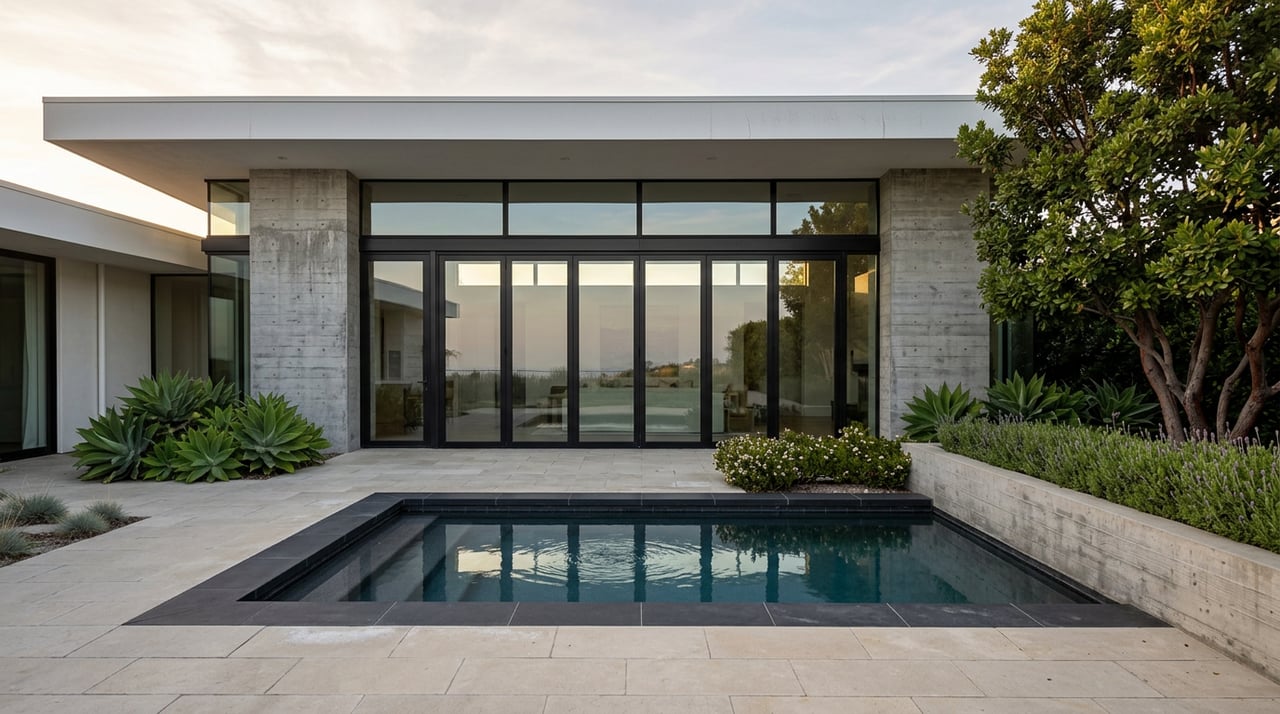
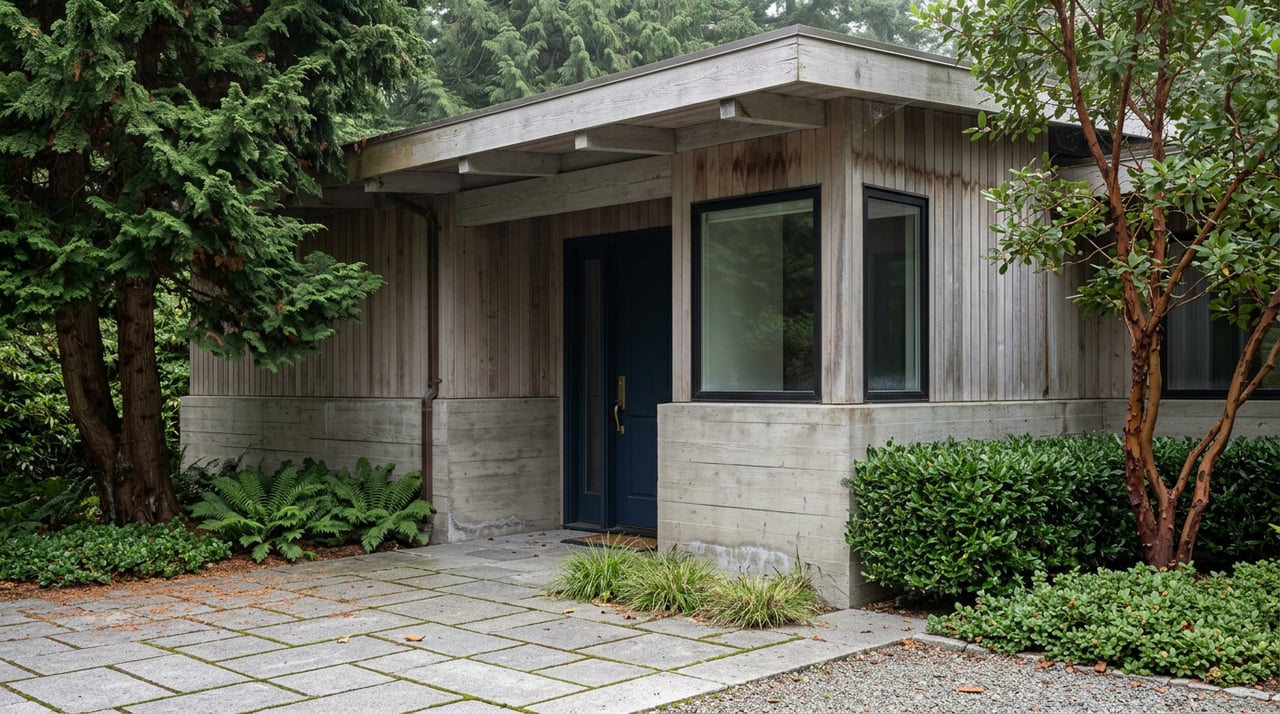
Built from the 1940s into the 1970s, mid‑century homes emphasize open plans, large glass walls, low horizontal profiles, and indoor‑outdoor flow. You might see clerestory windows, simple eaves, and flat or low‑slope roofs that frame views.
Expect single‑pane glazing and minimal insulation that invite energy upgrades. Flat or low‑slope roofs need monitoring or replacement over time, and older materials may include asbestos or lead in some components. Demand is high for authentic mid‑century homes, especially when systems are updated while original lines are preserved.
Other local types
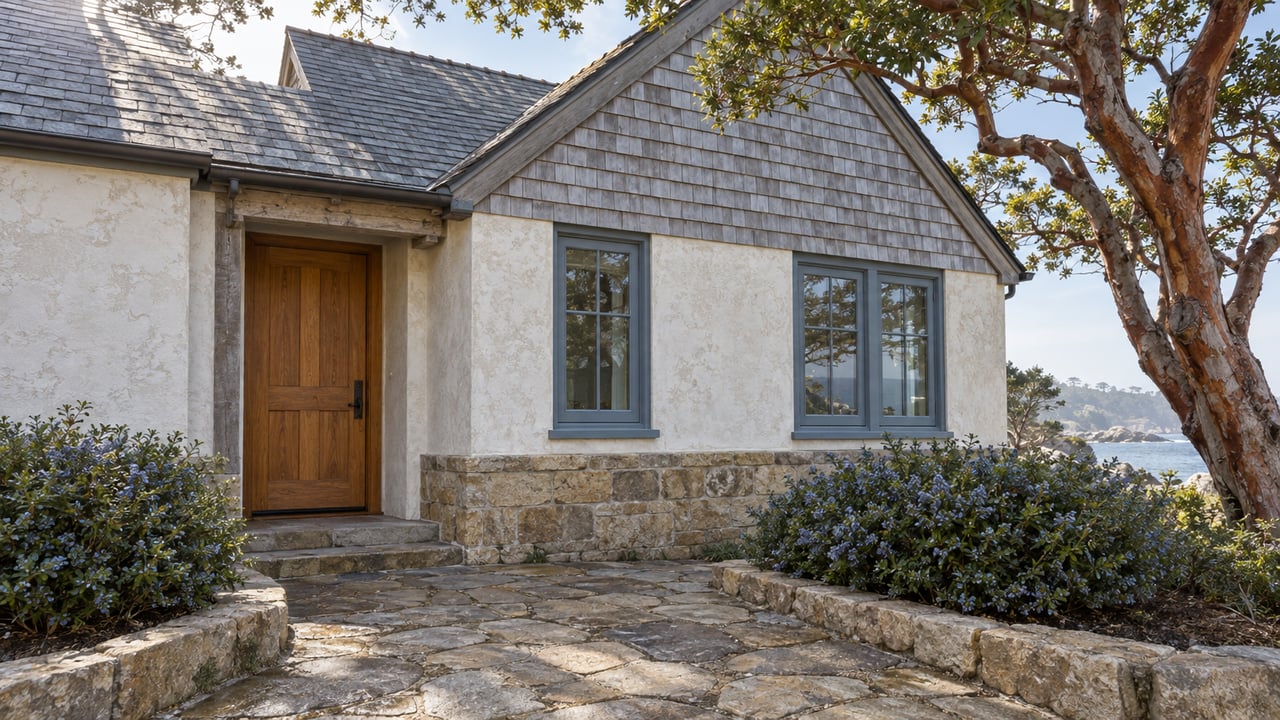
You will also encounter preserved adobe and historic masonry buildings, especially near the State Historic Park. These need specialized preservation and may have regulatory oversight. Coastal cottages and contemporary coastal homes from the late 20th and 21st centuries use modern materials but face sea‑air exposure and coastal regulation.
Where styles cluster in Monterey County
Architecture often follows the era when a neighborhood was built. If you know the period, you can predict the likely style mix.
- Old Monterey and the State Historic Park area: Concentrations of Monterey Colonial, Victorian, preserved adobes, and revival styles near a commercial and residential mix.
- Early 20th‑century residential pockets: Craftsman bungalows and smaller Victorians along tree‑lined streets with porches and compact lots.
- Mid‑century and post‑war tracts: 1940s–1960s neighborhoods on flatter inland parcels and gentle hillsides with ranch and mid‑century forms.
- Coastal estates and Del Monte Forest/Pebble Beach: Larger Spanish Revival, Mediterranean, and custom coastal designs on bigger parcels, plus modern coastal architecture.
- Nearby towns such as Pacific Grove, Carmel‑by‑the‑Sea, Seaside, and Del Rey Oaks: Complementary concentrations of the same styles. Many buyers search the Peninsula regionally.
Decode listings fast
- Keywords to watch: “Monterey Colonial,” “Spanish tile,” “Mediterranean,” “Craftsman,” “bungalow,” “Victorian,” “mid‑century modern,” “period,” “historic,” “original details,” “rehab.”
- Photo cues: Tapered porch columns and exposed rafters point to Craftsman; smooth stucco with arches and clay tile suggest Spanish/Med; asymmetry with ornate trim signals Victorian; large glass walls and clean lines hint at mid‑century.
- Year built: A strong indicator of likely style and systems. Late 1800s suggest Victorian; early 1900s Craftsman; 1910s–1930s Spanish/Revival; 1940s–1970s mid‑century.
Style, climate, and cost factors
Monterey’s coastal setting affects every home, regardless of style. Salt air accelerates corrosion on metal elements, while humidity and sea spray raise the risk of wood rot, fungal decay, and termite activity. Wind and storms can stress roofing and finishes, and bluff or shoreline proximity adds site‑specific hazards.
Seismic realities matter as well. Older masonry and historic adobe usually require seismic evaluation and potential retrofits. Foundation types vary by era, with pier‑and‑post or raised foundations common in older homes and slab foundations more typical in mid‑century homes, which can conceal plumbing issues.
Age and style also influence systems and materials. Older houses can have knob‑and‑tube wiring or ungrounded circuits, galvanized plumbing, minimal insulation, and single‑pane windows. Homes built before 1978 should be presumed to have lead‑based paint, and some mid‑century materials may include asbestos.
Typical cost patterns by style:
- Victorian: Higher routine exterior maintenance and painting due to ornate trim and complex roofs.
- Craftsman: Moderate ongoing costs if wood is well maintained; authentic restoration of trim and built‑ins can be pricier.
- Spanish/Med: Stucco repair and tile roof work can be costly, although quality clay tile roofs last a long time.
- Mid‑century: Expect investments in energy upgrades, roofing for flat/low‑slope designs, and modernization of older systems.
- Historic homes: Upgrading while preserving character often requires specialist contractors and approvals, which raises costs and timelines.
Due‑diligence checklist for Monterey buyers
Inspections that matter
- Structural and foundation: Look for settlement, rot in sill plates, cracked or unreinforced masonry, and any evidence of past earthquake damage or retrofits.
- Roof and drainage: Verify age and type of roof, flashing details, gutters and downspouts, and positive drainage away from the foundation.
- Exterior envelope: Check stucco cracks, wood rot on fascia, soffits, and porches, and overall paint and trim condition. Confirm proper flashing and weep screeds on stucco.
- Pests: Order a termite and pest inspection and review any treatment history.
- Electrical: Identify wiring type and panel capacity. Certain older panels are known hazards and typically require upgrades.
- Plumbing: Note pipe materials and the condition of the sewer lateral. Look for signs of leaks or patchwork repairs.
- HVAC and insulation: Assess the age and condition of the furnace or AC, ducting, attic insulation levels, and window types.
- Moisture and mold: Inspect crawlspaces, basements, attics, and around windows and doors. Coastal fog can hide ventilation problems.
- Hazardous materials: Presume lead‑based paint in pre‑1978 homes and screen for asbestos where mid‑century materials remain.
- Site hazards: Review slope stability, bluff erosion proximity, flood zones, and sea level rise considerations.
Permits, records, and regulations
- Permit history: Verify that additions, garage conversions, and major system updates were permitted and finalized with local building departments.
- Historic status: Check for local landmark designation or location within a historic district that could trigger design review or limit exterior changes.
- Mills Act: In California, qualified historic properties may receive property tax relief in exchange for preservation commitments. Confirm eligibility and requirements with local planning.
- HOA or CC&Rs: Review rules on exterior modifications and maintenance responsibilities if applicable.
- Disclosures: Read the Seller’s Property Disclosure, local coastal hazard disclosures, and pest reports carefully.
- Insurance: Obtain quotes early for coastal or bluff‑adjacent properties, which can carry higher premiums or specialized policies.
Market and resale fit
- Buyer match: Original details draw character‑focused buyers, while turnkey systems appeal to those prioritizing convenience and efficiency.
- Renovation limits: Historic status and neighborhood covenants can extend permitting and increase costs. Build this into your timeline and budget.
- Energy and modernization: Insulation, windows where allowed, and HVAC improvements are common value‑adds. Preserve defining features in historic homes.
- Accessibility and layout: Narrow stairs and compact kitchens or baths are common in older homes. Decide if you will adapt or renovate.
Touring tips by style
- Monterey Colonial: Examine balconies, stucco or adobe for moisture issues, and ask about seismic upgrades on older structures.
- Spanish/Med: Look closely at stucco cracks, tile roof flashing, and corrosion on ironwork and exterior metals.
- Craftsman: Check porch columns, exposed rafters, and window sills for rot, and verify condition of built‑ins and wood trim.
- Victorian: Inspect decorative trim and complex roof valleys, and confirm plans for lead‑safe work if repainting.
- Mid‑century: Evaluate roof condition, window performance, and insulation. Ask about electrical and HVAC upgrades.
Ready to compare options?
Choosing a Monterey home is easier when you understand what each style means for maintenance, comfort, and resale. If you want a seasoned, local perspective on neighborhoods, inspections, and value, our senior‑led team is here to help you navigate every step. Connect with the J.R. Rouse Properties Group to review homes that fit your style and plan your next move.
FAQs
What is Monterey Colonial architecture and why is it unique?
- Monterey Colonial originated locally, blending Spanish adobe and New England elements, often with a two‑story form and second‑story balcony.
How does coastal climate affect stucco and tile roofs?
- Salt air and humidity can drive stucco cracking and metal corrosion, while clay tile roofs need sound structure and proper flashing to prevent leaks.
What inspections are essential for Victorian homes in Old Monterey?
- Prioritize structure, roof complexity, exterior wood trim, electrical and plumbing upgrades, pest reports, and lead‑safe planning for pre‑1978 paint.
Are mid‑century homes expensive to upgrade for efficiency?
- Many need window, insulation, HVAC, and roof updates, but preserving original lines while modernizing systems is a common and rewarding approach.
How do historic designations affect remodeling timelines and costs?
- Design review and preservation requirements can extend permitting and require specialist contractors, increasing both time and budget.
What is the Mills Act and how could it help?
- It is a California program that can reduce property taxes for qualified historic homes in exchange for documented preservation work.
Where should I look for Craftsman bungalows near Monterey’s core?
- Early 20th‑century neighborhoods often cluster Craftsman bungalows on tree‑lined streets with porches and compact lots in and around Old Monterey and nearby towns.