Thinking about trading rent for keys in Seaside? You are not alone. With a renter-heavy market and prices that shift month to month, getting your first home here can feel complex. This guide breaks the process into practical steps, explains local financing options, and highlights Seaside-specific checks so you can move with confidence. Let’s dive in.
Seaside market snapshot: early 2026
- Median sale price was about $768,750 in Feb 2026 (Redfin). Median days on market were roughly 72, and the sale-to-list ratio hovered near 98.8% that month.
- Zillow’s typical home value index was about $787,615 as of 2/28/2026. ZORI data shows recent asking rents trending higher than older survey averages in the area.
- Seaside is renter heavy. Owner-occupied housing is about 37% and renter-occupied about 63%, with a reported median gross rent near $2,314 in recent ACS data. See local snapshots in U.S. Census QuickFacts.
What “somewhat competitive” means for you: most homes sell close to list price, and a subset receive multiple offers. Strong pre-approval, clear timelines, and clean terms help you stand out.
What Seaside homes are like
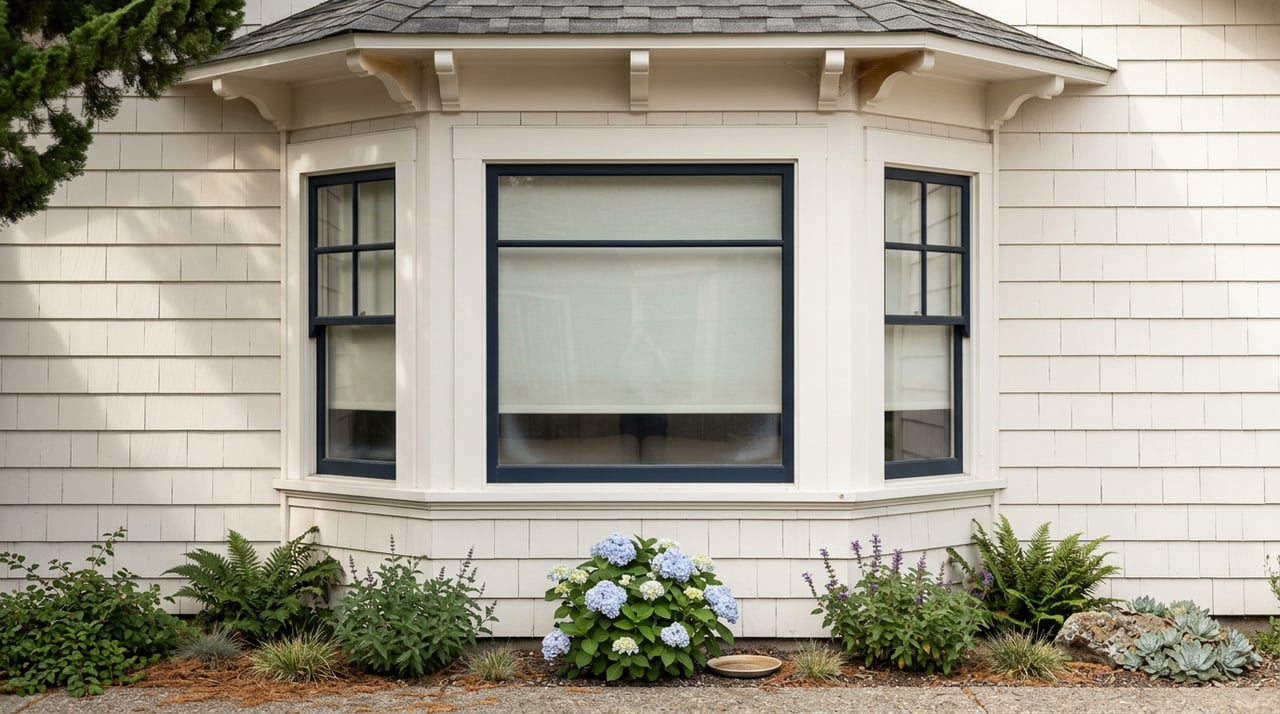
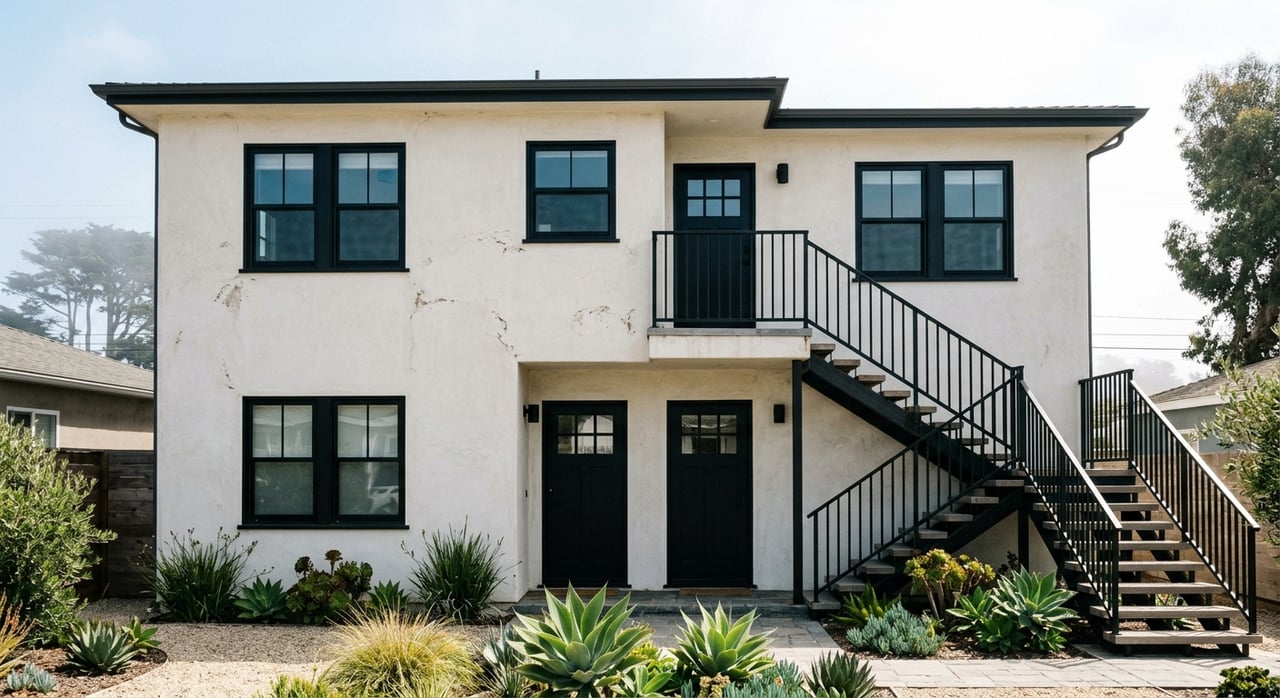
Much of Seaside’s housing dates to the 1950s and 1960s, so many entry-level homes may need updates to electrical, plumbing, roofs, or termite repairs. You will also find newer infill and HOA neighborhoods from former Fort Ord reuse. Expect a mix of single-family homes, townhomes, and condos with different maintenance profiles and HOA costs.
Utility service can vary, especially on or near former Fort Ord parcels. Some properties receive water or sewer service from Marina Coast Water District rather than legacy city systems. Before you make an offer, confirm providers and any capacity or connection considerations using City planning resources, including the Campus Town appendix that notes MCWD service patterns (City of Seaside planning appendix).
Your first-time buyer roadmap
- Get clear on affordability
- Set a realistic price range, desired payment, and reserve fund. In California, the base property tax is 1% of assessed value, plus local assessments. In Monterey County, effective rates commonly land around 1.1% to 1.2%. Review examples in the county’s Tax Collector FAQ.
- Complete homebuyer education early
- Many down-payment assistance programs and some lenders require a HUD-approved course. You can earn a certificate locally through the Housing Resource Center of Monterey County (HRC course info).
- Compare lenders and secure pre-approval
- Speak with 2 to 3 lenders and request written pre-approvals. After a completed application, lenders provide a Loan Estimate within three business days. Confirm eligibility for FHA, VA, conventional low-down programs, and whether CalHFA assistance can be layered.
- Plan your cash to close
- Down payment varies by program. FHA often allows 3.5% with qualifying credit. Some conventional options allow as little as 3% for qualified buyers. CalHFA’s MyHome can add a deferred junior loan up to 3.5% when paired with a CalHFA first mortgage (CalHFA MyHome). Expect closing costs of about 2% to 5% of the purchase price unless negotiated.
- Know your financing options
- FHA: Lower down payment minimums for eligible buyers; mortgage insurance applies. Learn more at this FHA overview (FHA down payment).
- VA: Eligible veterans and service members can often purchase with no required down payment, subject to entitlement and lender rules (VA home loan overview).
- Conventional: Some programs allow about 3% down for qualified buyers, with private mortgage insurance. Ask lenders about income and credit criteria.
- CalHFA assistance: MyHome provides a deferred junior loan up to 3.5% of price or appraised value when paired with a CalHFA first mortgage (CalHFA MyHome). Verify current income, price limits, and rules.
- Check local assistance availability
- Monterey County’s first-time buyer program for unincorporated areas is currently listed as temporarily suspended while new guidelines are developed. Check the county page for updates (County housing assistance).
- The City of Seaside maintains housing resources and program frameworks that may apply within city limits (City of Seaside housing).
- Tour with a purpose
- Create a checklist that covers commute routes like Highway 1 and CA-68, bus options, neighborhood amenities, and utility providers. If schools are part of your decision, confirm district alignment without relying on ratings or generalizations. Note any HOA communities and monthly dues for budgeting.
- Craft a focused offer strategy
- Seaside listings often sell near list price. Strengthen your terms with a solid pre-approval, earnest money consistent with local norms, and a clear inspection timeline. Your agent can tailor contingencies to protect you while remaining competitive.
- Prioritize inspections and hazards
- General home inspection for structure, roof, HVAC, and electrical.
- Termite/wood-destroying organism inspection, especially for mid-century homes.
- Sewer scope for older lines; repairs can be costly.
- Lead-based paint disclosure and possible testing for pre-1978 homes.
- Flood, tsunami, and seismic risk review; consider flood or earthquake insurance where relevant.
Fort Ord: what buyers should know
- Large tracts of former Fort Ord were remediated and redeveloped, but some parcels have site-specific cleanup history or land-use notes. Review disclosures, and consult the EPA’s Fort Ord site spotlight for background and links to parcel-level information (EPA Fort Ord overview).
- Plan for the move and the first year
- Set aside funds for immediate maintenance, moving, and any priority upgrades. Budget for HOA dues if you buy in an HOA neighborhood. Track warranty periods, service dates, and maintenance reminders from day one.
Rent vs buy in Seaside
With a renter share near 63% and a median gross rent around $2,314 from recent ACS data, many households are exploring ownership to stabilize housing costs. Zillow’s asking-rent measures show recent rents running higher than older survey medians, which adds pressure for long-term planners. If you can secure a sustainable payment and use assistance to bridge the down payment, buying can convert monthly housing costs into equity over time. A side-by-side budget that includes taxes, insurance, and HOA dues will show whether now is your moment.
Financing options at a glance
- FHA: Common first-time path with a 3.5% minimum down payment for eligible buyers. See this FHA guide on down payment requirements (FHA down payment).
- VA: For eligible veterans and service members, often no down payment with specific appraisal and occupancy rules (VA home loan overview).
- Conventional low-down: As little as 3% down for qualified buyers, with PMI. Review income, credit, and reserve requirements with your lender.
- CalHFA MyHome: Deferred junior loan up to 3.5% combined with a CalHFA first mortgage. Limits and layering rules apply (CalHFA MyHome).
Resources
Ready to turn a plan into keys? Let a senior-led local team guide each step with clear strategy and calm execution. Connect with J.R. Rouse Properties Group to map your path and compare options side by side.
FAQs
How competitive is Seaside for first-time buyers?
- Most homes sell close to list price, with a subset drawing multiple offers. Strong pre-approval, clear timelines, and focused terms help you compete.
Can I qualify with a small down payment in Seaside?
- Yes. FHA often allows 3.5% down with qualifying credit, VA may allow zero down for eligible veterans, and CalHFA MyHome can add up to 3.5% as a deferred junior loan when paired with a CalHFA first mortgage (FHA down payment, VA home loan overview, CalHFA MyHome).
Are there contamination or munitions risks near Seaside homes?
- Properties on or near former Fort Ord should be reviewed for site-specific cleanup history and recorded disclosures. Start with the EPA’s Fort Ord site spotlight for background (EPA Fort Ord overview).
How much will my property tax be if I buy in Seaside?
- California’s base rate is 1% of assessed value, plus local assessments. Monterey County’s effective rates commonly land near 1.1% to 1.2%. See examples and details in the Monterey County Tax Collector FAQ.