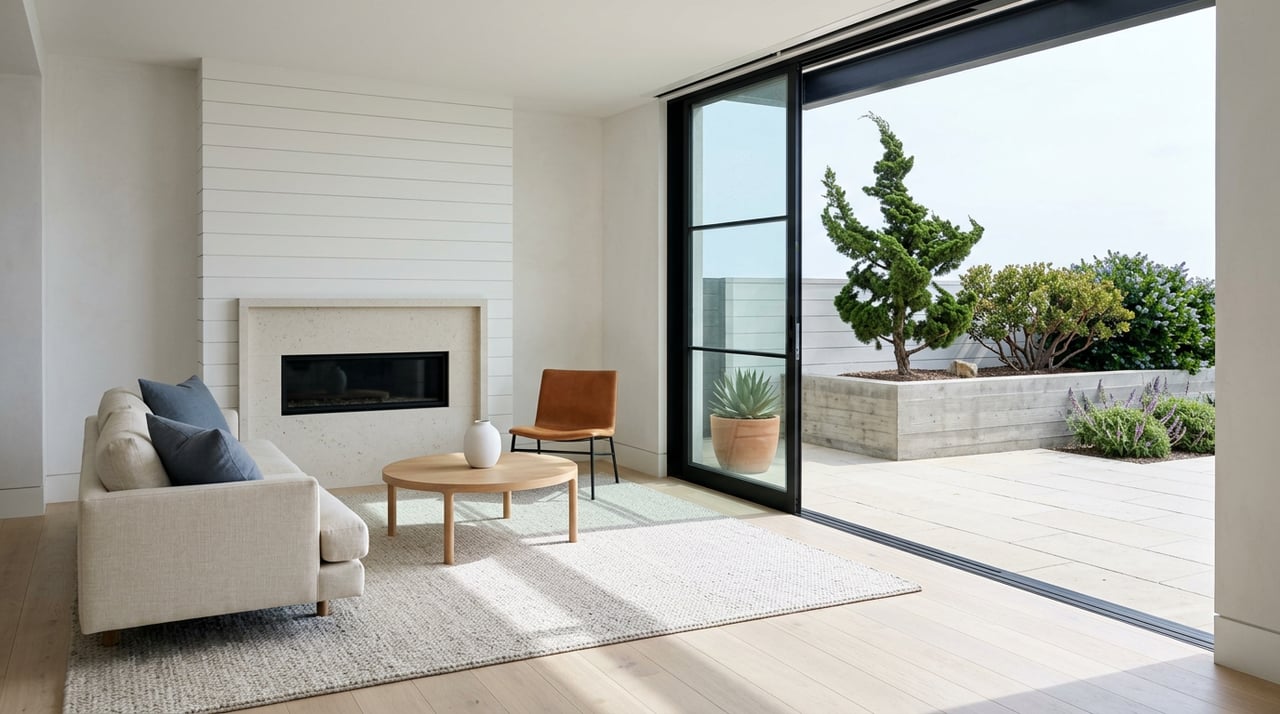
Pebble Beach Second Home Guide for Luxury Buyers
March 5, 2026
March 5, 2026
What pulls you to Pebble Beach for a second home is not just the ocean views. It is the privacy of Del Monte Forest, world-class golf, and a lifestyle you can enjoy on your terms. If you are exploring a purchase here, you also know the stakes are high and the rules are specific. In this guide, you will learn how the local market behaves, which homes fit different lifestyles, the rules that shape ownership, and the due diligence that protects your investment. Let’s dive in.
Pebble Beach is a concentrated luxury micro-market with limited listings and event-driven demand. A few high-value sales can move statistics quickly, which is why you will see different “median price” figures at any given time. For example, a December 2025 snapshot reported a median near $4.47 million, while other data sources have shown lower medians in early 2026. Treat any single metric as a starting point and build a property-specific picture before you decide.
Inventory is tight, and turnover is sporadic. You will see everything from intimate cottages tucked in the forest to legacy oceanfront estates. The right approach is to match your intended use to the right property type, then move decisively when a good fit appears.
These rare properties carry premium pricing and unique siting constraints. The Del Monte Forest Land Use Plan highlights shoreline retreat and bluff erosion, which often require specialized studies and setbacks for ocean-exposed sites. Review the local coastal policies early and plan for longer permit timelines for cliffside work.
Homes that front or adjoin Pebble Beach’s courses can command premiums based on hole location and view corridors. Living near the resort core also offers convenient access to amenities highlighted by Pebble Beach Company. Expect pricing to reflect both view quality and proximity to marquee holes.
Many buyers choose sheltered, tree-lined streets with microclimates that are calmer than the open coast. Heavily wooded parcels often involve vegetation management and environmental considerations. The Del Monte Forest LUP outlines protections for sensitive habitats and how those shape construction and landscape choices.
Condominiums and smaller units near resort nodes, such as The Inn at Spanish Bay area, offer a lower-maintenance path into Pebble Beach. These homes often fit part-time use well. Review HOA documents to confirm budgets, reserves, and any guest-use policies.
Vacant parcels are scarce and can require architectural review and coastal permits before you break ground. Expect detailed environmental review and architectural oversight. Start with the LUP to understand siting and habitat rules that can affect feasibility.
Pebble Beach Company is the master resort operator and a significant landholder. It also plays a role in reviewing restrictions and, in some cases, providing written consent under older recorded CC&Rs for certain uses. Learn more about the company’s footprint and community context from Pebble Beach Company, then request seller-provided CC&Rs and any PBC correspondence early. The Del Monte Forest Property Owners association offers helpful FAQs and local practice insight for owners and buyers. You can reference their resident FAQs for context and contacts.
Monterey County administers coastal permits and the Local Coastal Program. Many Pebble Beach parcels fall under the Del Monte Forest Land Use Plan with specific rules for siting, vegetation removal, and coastal hazards. Review the LUP policies and expect longer cycles for projects near bluffs, sensitive habitats, or public access.
Pebble Beach Community Services District provides wastewater collection and treatment, recycled water distribution, garbage collection, and supplemental public safety services. Confirm connection type, service areas, and current fee schedules with PBCSD, since utility arrangements can vary between parcels.
Monterey County has updated its short-term rental framework with distinctions between inland and coastal areas and permit paths that can include administrative approvals or limits. In the Del Monte Forest, county rules interact with recorded CC&Rs that often prohibit commercial uses without written grantor consent. The practical effect is that many parcels do not allow whole-house commercial vacation rentals. If rental income is part of your plan, verify both county permitting and whether PBC consent is needed and available by reviewing county records and ordinance history before you buy.
California’s Proposition 13 sets a base property tax of 1 percent of assessed value, plus voter-approved bonds and assessments. Reassessment typically occurs at a change in ownership or after new construction, so your purchase price usually becomes the new base. For a refresher on assessment basics, see this overview of real property assessments.
For transfers, California’s baseline documentary transfer tax is commonly referenced as $0.55 per $500 of consideration. Some cities and counties add local levies, so ask your title team for a parcel-specific calculation. You can review a summary of the documentary transfer tax framework to understand how the math works.
How you plan to use the property drives underwriting. Lenders and secondary market buyers treat second homes and investment properties differently, with varying loan-to-value limits, reserves, and documentation. Many Pebble Beach purchases also require jumbo financing, which can mean larger down payments and higher reserves. Confirm your classification and expected reserves with your lender early and ask them to review current occupancy rules from Freddie Mac and Fannie Mae.
The Del Monte Forest LUP recognizes episodic and long-term shoreline retreat, wave action, and bluff erosion as ongoing risks. Oceanfront buyers should obtain a coastal hazards study and a current elevation survey, and consider sea-level scenarios in design and hold-period planning. Start with the LUP hazard guidance to frame the scope.
Look up each property on the FEMA Flood Map Service Center, and request an elevation certificate where relevant. If the home is in a mapped Special Flood Hazard Area and you use a mortgage, the lender will require flood insurance.
The Monterey Peninsula is in an active seismic region, and slope stability can affect feasibility and insurance, especially for bluff or steep sites. Many forested areas also carry elevated wildfire risk. Review LUP guidance, then inspect for defensible space compliance and insurance availability.
If this is a private getaway, focus on low-maintenance layouts, reliable systems, and secure access. Ask for documented maintenance histories and clear permit and architectural review records to reduce surprises after periods of vacancy. Local owner resources like the Del Monte Forest Property Owners FAQs can help you learn neighborhood practices for vegetation, defensible space, and contacts.
If rental income is part of your plan, verify two things before you write an offer. First, confirm county permit requirements and current caps in the coastal area using Monterey County’s public records. Second, review the parcel’s CC&Rs and any PBC consent requirements, since those can limit or prohibit commercial short-term use. For tax treatment, understand the IRS rule that personal-use homes rented fewer than 15 days in a year generally do not require reporting of rental income. See IRS Publication 527 and consult a CPA to model net returns, including TOT and management costs.
In Pebble Beach, the best outcomes come from precise preparation and local reach. A senior-led, well-connected team helps you access on-market and quiet opportunities, time your search around major events, and sequence due diligence to protect your earnest money. That means surfacing CC&Rs and PBC correspondence early, coordinating with county planning, engaging coastal engineers when needed, and aligning lender, insurance, and tax advisors at the right moments. The result is a confident purchase that fits your lifestyle and holds value over time.
Ready to explore Pebble Beach with a clear plan and a trusted local team by your side? Schedule a free consultation with the J.R. Rouse Properties Group to align your goals with the right properties and a proven acquisition strategy.
Stay up to date on the latest real estate trends.
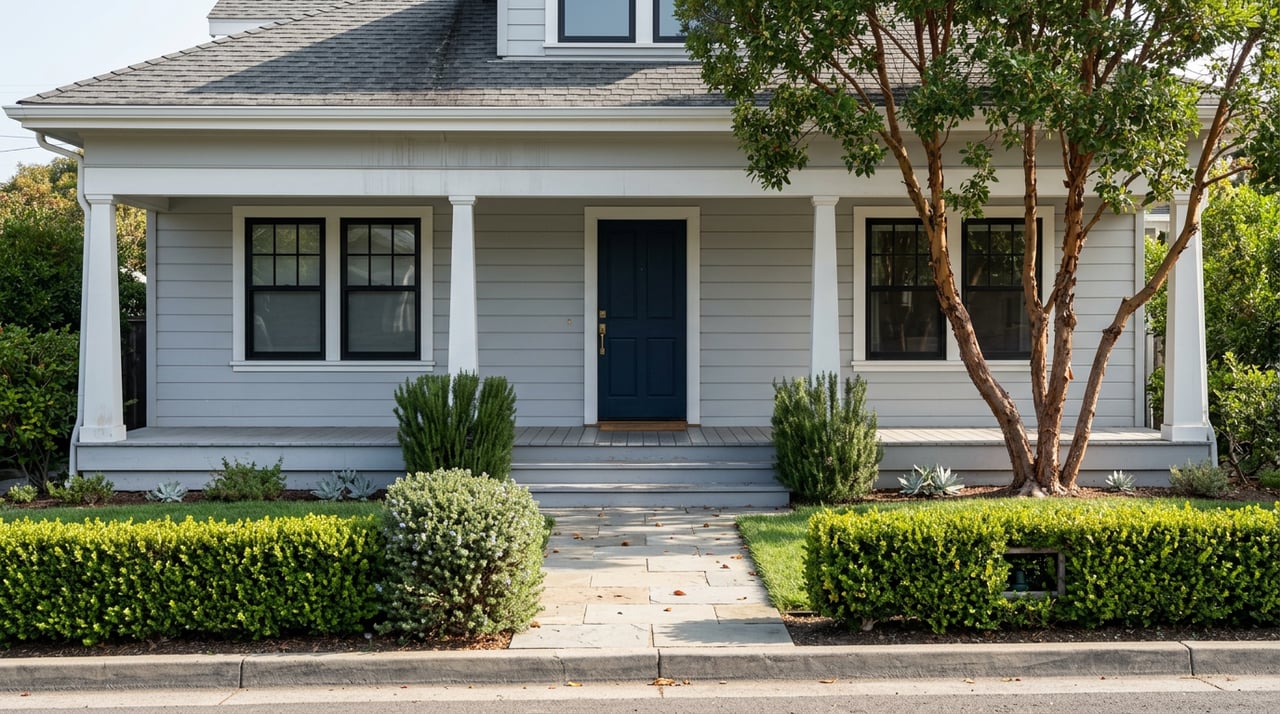
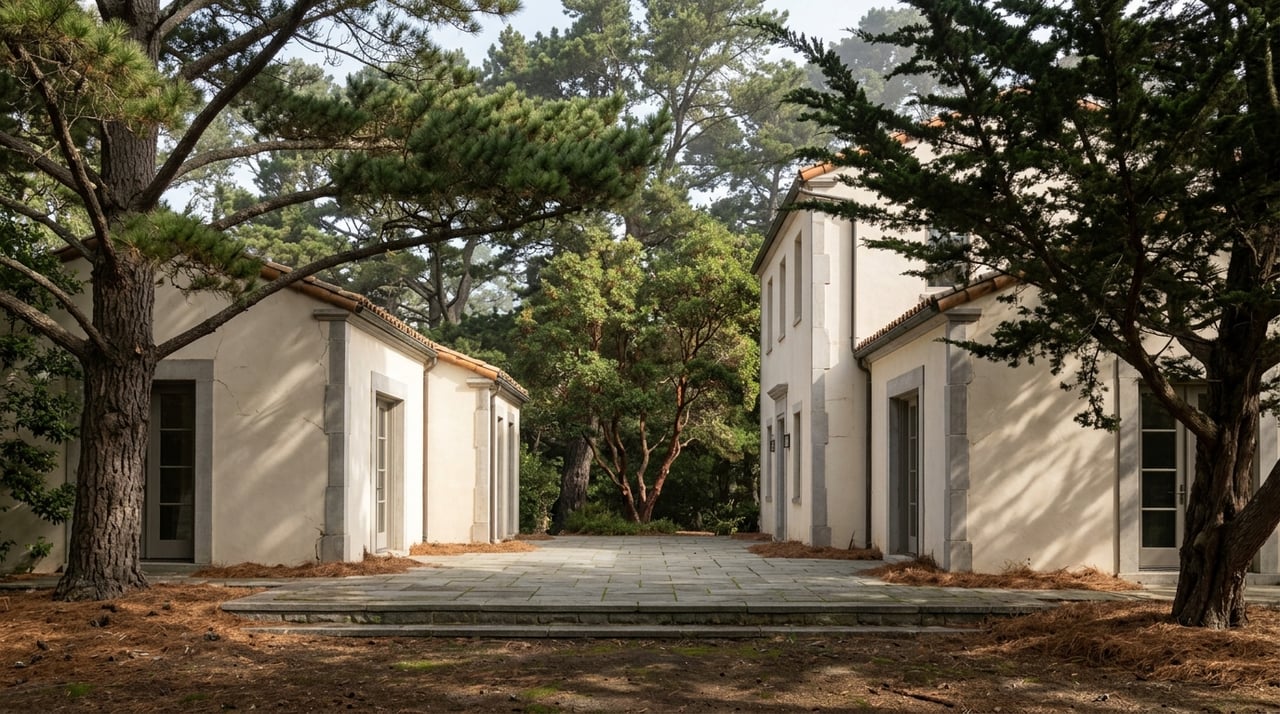
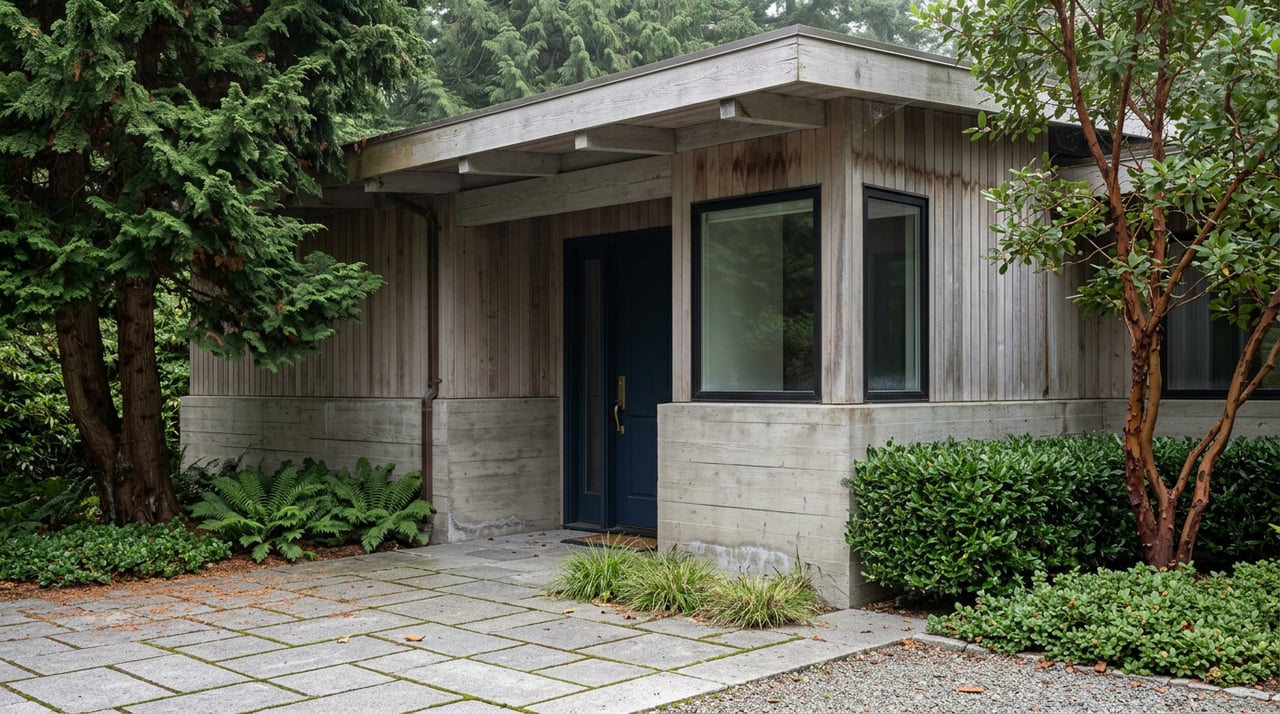
Our team listens closely, works tirelessly, and puts your goals at the center of everything we do. Whether you're buying, selling, or simply exploring your options, we’re here to guide you with expertise, every step of the way.

J.R. Rouse Properties Group
574 Lighthouse Ave Pacific Grove CA 93950 J.R. Rouse | CA DRE# 01299649 | MLS ID 70010296