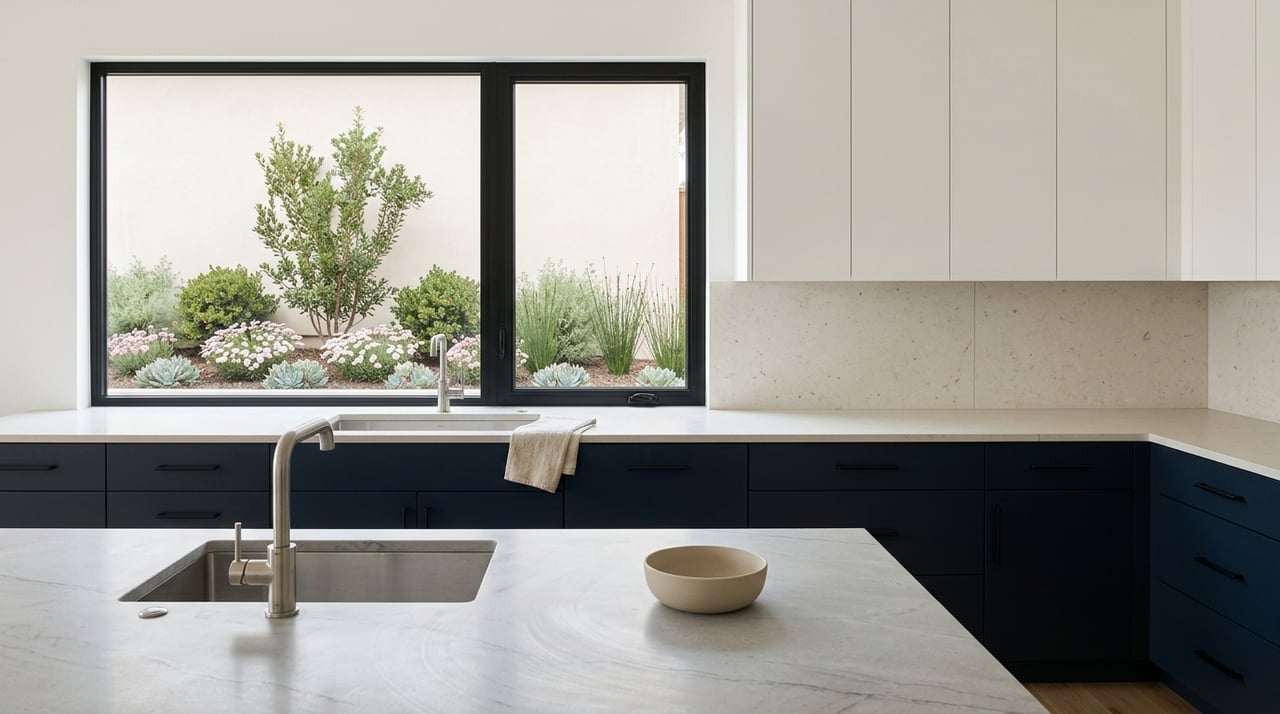
Seaside CA Home Selling Tips for Smart Pricing & Prep
May 28, 2026
May 28, 2026
Are you thinking about listing your Seaside home and wondering whether to price high “just in case” or invest in a long list of updates first? You are not alone. Many sellers want to maximize value without wasting time, money, or that critical first burst of buyer attention. In Seaside, the smartest path is usually a mix of accurate pricing, focused prep, and a clear plan before your home hits the market. Let’s dive in.
Seaside is competitive, but it is not a market where every home automatically sells far above asking. Recent local data show a median listing price of $850,000, a median sold price of $860,000, and median days on market in the low-to-mid 30s. Sale-to-list ratios also suggest that many homes sell close to asking, not dramatically over it.
That matters because your first week on the market is often your strongest window for attention. If your home is priced too high from day one, buyers may skip it and move on to other Peninsula options. Since nearby Monterey is more competitive, many buyers are already cross-shopping different submarkets.
A smart list price starts with the homes your property is truly competing against. That means looking closely at recent Seaside sales, current active listings, and pending homes in the nearest comparable areas. Countywide or statewide averages are usually too broad to help you make a precise pricing decision.
With only 47 active listings in one recent market snapshot, each listing can stand out, but only if it enters the market at a believable price point. In a market where homes often go pending in about 21 days and close in roughly a month, pricing near the likely market-clearing number is usually more effective than leaving a large cushion for negotiation.
It is tempting to list high and plan to “come down later.” In Seaside, that approach can cost you momentum. Buyers notice when a property lingers, and they may start to wonder whether something is wrong even when the issue is simply pricing.
Local data support a cautious approach. While some homes do sell above list price, the average sale still tends to land close to or slightly below asking. That means the better strategy is often to attract strong early interest rather than test the market with an aspirational number.
Not all comparables are equally useful. A well-priced Seaside home should be measured against properties with similar size, condition, location, and legal living area. Small differences in layout, updates, views, lot use, and permit status can have a real impact on value.
This is especially important if your home has additions, garage conversions, or modified spaces. If those improvements are not properly finalized through permits or city certification, buyers may not value them the same way you do.
Before you spend heavily on big projects, focus on the basics that affect photos, showings, and buyer confidence. National staging research from 2025 found that 49% of sellers’ agents said staging reduced time on market. Another 29% said it increased the dollar value offered by 1% to 10%.
That does not mean every Seaside seller needs full-scale staging. It does mean presentation matters. In many cases, the best return comes from simple, targeted improvements that make your home feel clean, bright, and ready.
For most Seaside listings, the most practical pre-listing work includes:
These steps help buyers focus on the home itself rather than distractions. They also make online photos stronger, which is essential when most buyers decide whether to visit a property based on what they see first online.
If you are deciding between a major renovation and a smaller, focused prep plan, local market conditions often favor the second option. In Seaside, the highest-value work before listing is usually not a full remodel. It is the combination of cleaning, decluttering, minor repairs, and making sure the home presents well and checks the right compliance boxes.
That approach can save time and reduce the risk of over-improving for the market. It also helps you get to market while buyer interest is still fresh.
In Seaside, pre-listing prep is not only about appearance. Local compliance items can affect timing, buyer confidence, and even value. Taking care of these details early helps reduce last-minute stress once your home is under contract.
The city’s Real Property Disclosure Report is based on permit history, zoning, general plan designations, and observed property conditions. It specifically notes that additions, garage conversions, and other modifications need finalized permits or city certification to be treated as legally established.
If your home has any changed or expanded space, confirm its legal status before photography and marketing begin. An unpermitted improvement can create buyer hesitation, affect appraisals, and complicate negotiations.
Even if the space has been used a certain way for years, buyers and their agents may still ask whether it is legally recognized. Getting clarity early helps you price more accurately and prepare cleaner disclosures.
Seaside also has local pre-sale requirements that sellers should address in advance. According to the city, smoke detectors must be installed in bedrooms and adjacent hallways before sale. The property must also comply with the city’s Water Conservation Ordinance before the report is processed and prior to close of escrow.
For properties within the Monterey Peninsula Water Management District, a change-of-ownership water conservation certification is required, and some properties may also need an inspection. Handling these items early can prevent avoidable delays later in the transaction.
If you plan to improve the outside of your home before listing, do not assume every project is plug-and-play. Seaside notes that planning review may occur before needed building permits, and architectural review can apply to projects that require design review. For homes within the coastal zone, exterior changes should be checked early because the Local Coastal Program may also apply.
In practical terms, this means you should verify what is allowed before starting visible exterior work. That can help you avoid spending time or money on changes that may require more review than expected.
A good listing plan does not stop at pricing and photos. You should also decide in advance how you want to respond when offers come in. In Seaside, where some homes sell above list but many still trade near asking, a calm strategy often works better than reacting on the fly.
Before going live, think through your priorities. Are you focused only on price, or do timing, repairs, concessions, and contingency strength matter too? The clearest sellers are often the most confident when the first offer lands.
It helps to decide where you stand on a few common issues:
When you know your answers ahead of time, you can respond faster and with less stress. That kind of preparation also makes it easier to compare offers based on the full picture, not just the headline number.
California residential sellers generally must provide a Transfer Disclosure Statement that covers physical condition and known defects. Sellers are also generally required to provide a Natural Hazard Disclosure Statement for mapped hazard zones. State law makes clear that waiving these disclosure requirements is not valid.
For you as a seller, the takeaway is simple. Clean, organized disclosures support trust and can reduce surprises once a buyer is in escrow. They also work best when paired with early permit review and thoughtful pre-listing prep.
If you want a stronger result in Seaside, the goal is not to do everything. It is to do the right things in the right order. Price close to the market, prepare the home buyers will actually experience, and handle local compliance issues before they become obstacles.
That kind of disciplined launch is especially important on the Monterey Peninsula, where buyers often compare Seaside with nearby communities. With senior-led guidance, careful valuation, and polished presentation, you can enter the market with a strategy that supports both buyer confidence and your bottom line.
If you are preparing to sell and want a pricing and prep plan tailored to your property, J.R. Rouse Properties Group offers thoughtful, high-touch guidance backed by deep Peninsula market experience.
Stay up to date on the latest real estate trends.


Our team listens closely, works tirelessly, and puts your goals at the center of everything we do. Whether you're buying, selling, or simply exploring your options, we’re here to guide you with expertise, every step of the way.

J.R. Rouse Properties Group
490 Lighthouse Ave Pacific Grove CA 93950 J.R. Rouse | CA DRE# 01299649 | MLS ID 70010296