Carmel Cottage And Bungalow Buying Guide
June 18, 2026
June 18, 2026
What makes a Carmel cottage or bungalow so appealing can also make it harder to buy. In Carmel, charm is not just a nice extra. It is often tied to planning rules, historic review, lot limits, and day-to-day livability in ways that surprise even experienced buyers. If you are hoping to find a character home that fits your lifestyle and long-term plans, this guide will help you understand what to look for before you make an offer. Let’s dive in.
Carmel has a preservation-focused planning culture, and that shapes the home search from the start. The city states that it aims to preserve the community’s unique architectural, cultural, and historic identity, and it maintains a Historic Resources Inventory to track important properties.
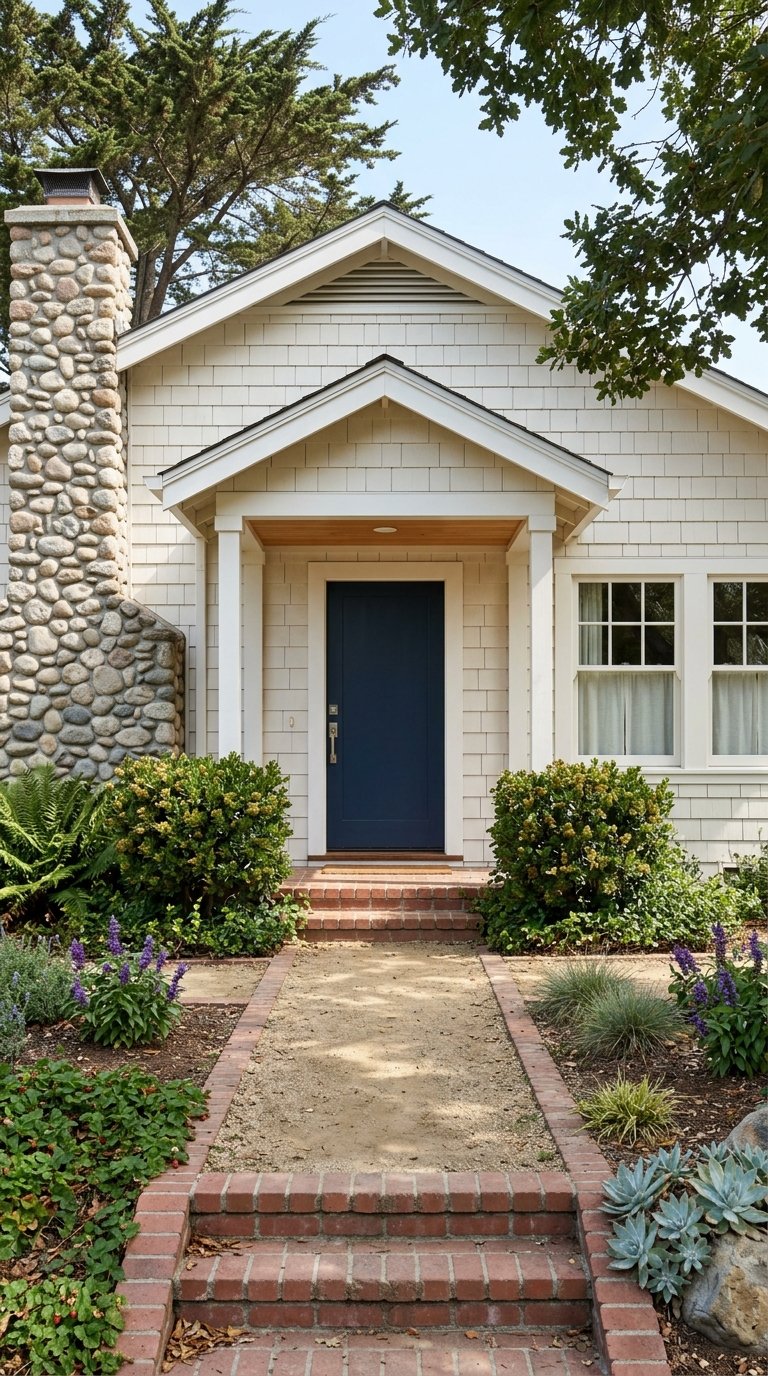
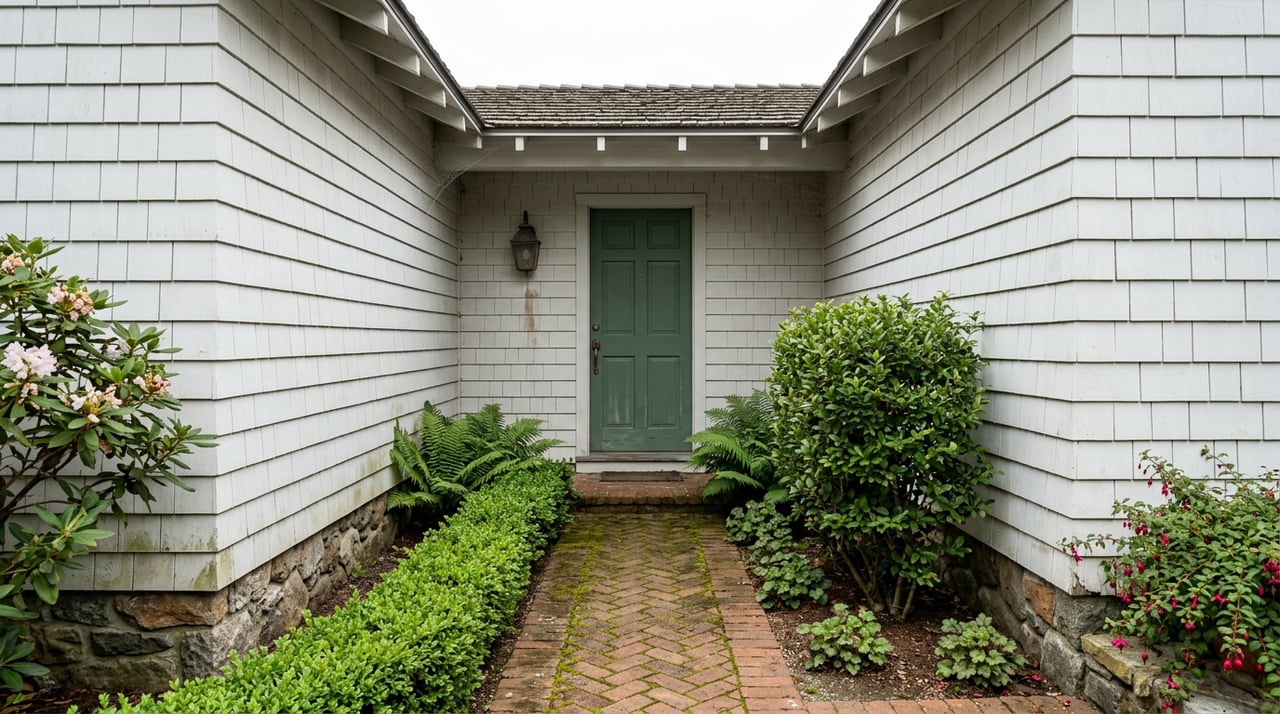
That matters because many cottages and bungalows in Carmel are valued as character properties first and size properties second. Features like exterior materials, rooflines, windows, porches, and how the home sits on the lot can all affect both buyer appeal and city review.
The city’s historic context materials identify early vernacular cottages and Craftsman bungalows as key parts of Carmel’s residential fabric. While the storybook look is iconic, the city’s own design guidance notes that Craftsman cottage and bungalow forms remain especially appropriate in Carmel.
If you are shopping in this segment, it helps to think beyond square footage. A true Carmel cottage or bungalow often comes with details that buyers love, but those same details may need careful treatment if you plan to update the home.
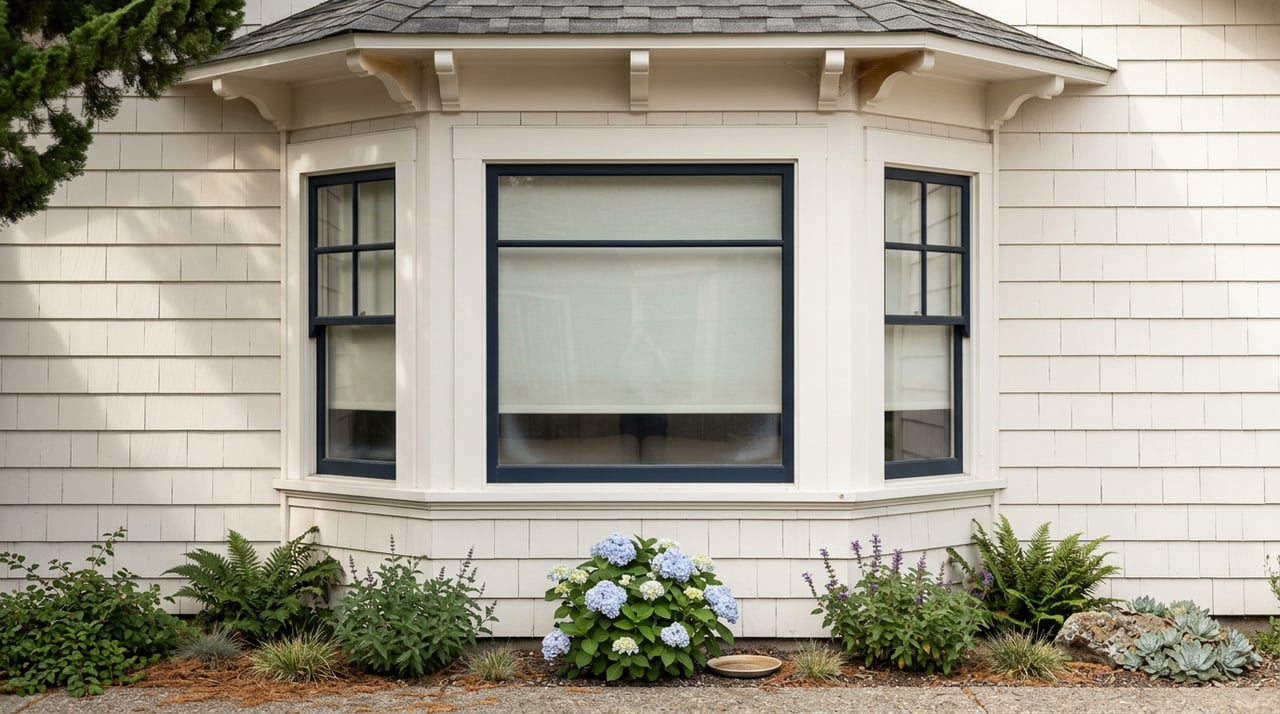
For example, the city’s planning guidance notes that unclad wood windows with external divided lights are the local standard. That is a practical signal that window replacement and similar exterior changes should be reviewed carefully before you assume a project will be simple.
In many cases, the visual integrity of the house is part of its value. A well-sited porch, original window pattern, or roof form may matter just as much as an extra room when you compare homes.
One of the biggest buyer mistakes in Carmel is assuming a small house automatically has easy expansion potential. In reality, a cottage may sit on a lot that looks promising at first glance but has meaningful development limits.
The city repeatedly uses a 4,000-square-foot R-1 lot as a common benchmark. For that typical lot, the city says the base floor area is 1,800 square feet, and its site-plan examples show ridge heights of 18 feet and 24 feet, along with a 15-foot front setback and a rear setback that varies by height.
That said, these numbers are not a guarantee of what you can build. The city also warns that steep slopes, significant trees, and unusual lot shapes can keep a property from reaching its theoretical maximum floor area.
If you are buying with renovation plans in mind, you need to look at the lot as carefully as the house. Carmel is largely built out, with limited vacant residential land, which helps explain why smaller homes in prime locations can command strong prices.
Site coverage is another key issue. According to the city, site coverage includes not only obvious surfaces like patios, walkways, driveways, decks, and steps, but also decomposed granite, gravel, hot tubs, and other non-floor-area surfaces.
This can affect what feels possible on paper versus what works in practice. Even modest changes to outdoor areas can influence the overall development picture, so buyers should evaluate the full site, not just the interior floor plan.
Before you write an offer, confirm whether the property is historic or potentially historic. Carmel requires historic evaluation before development review for exterior changes such as new roofs, siding, windows, and additions.
If a home is listed on the Historic Resources Inventory, exterior work must go through Historic Resources Board review and comply with the Secretary of the Interior’s Standards. That does not mean change is impossible, but it can shape timelines, design choices, and budget.
For buyers, this is one of the most important early due diligence steps. If your goal is to preserve a home’s original character, this process may feel aligned with your vision. If your goal is a major exterior rework, it is better to know the review path up front.
Carmel buyers should also remember that the entire city lies within the coastal zone. Some projects require a Coastal Development Permit, and the city has limited Beach and Riparian appeal jurisdiction in certain areas.
This adds another layer to planning for future improvements. If you are comparing two similar cottages, the easier long-term fit may come down to which home has the more workable review path, not just the prettier finishes today.
Trees are not just landscaping in Carmel. They can directly affect what you can do with a property.
The city states that removal of oak, pine, cypress, or redwood trees 4 inches DBH or larger requires a permit. On some lots, protected trees may limit additions, driveway changes, or other site work in ways that are easy to overlook during a casual showing.
Setback compliance matters too. The city’s building FAQ notes that projects close to property lines require surveyor certification before footing approval. For buyers considering expansion, these details can influence cost, timing, and feasibility.
For many buyers, the Carmel lifestyle is just as important as the house itself. The city’s amenity layout shows why homes near Ocean Avenue and the downtown grid are often among the most walkable parts of town.
City Hall sits on Monte Verde between Ocean and Seventh. Harrison Memorial Library is at Ocean and Lincoln, the farmers’ market is on Sixth between Junipero and Mission, and Carmel Beach with the Del Mar parking lot is near the foot of Ocean Avenue.
That geography shapes daily life. If you want to walk to downtown services, the beach, parks, and community destinations, location within Carmel can matter as much as the home’s architecture.
Parking can be an overlooked tradeoff in cottage and bungalow living. A home may offer strong walkability and character but still create day-to-day friction if off-street parking is limited or garage space is less usable than expected.
The city offers residential parking permits to residents and owners of residential property, but buyers should still verify how the property functions in real life. Confirm driveway dimensions, garage access, and how street parking rules may affect guests and routine use.
Carmel-by-the-Sea remains a competitive market. Recent market data cited in the research report shows a median listing price of $4.19 million, 21 homes for sale, and a median of 49 days on market, while separate data shows an average home value of about $2.44 million and homes going pending in around 19 days.
For you as a buyer, that means preparation matters. The right cottage or bungalow can attract attention quickly, especially when it offers a rare mix of location, preserved character, and usable site potential.
In a market like this, strong decisions come from disciplined due diligence, not rushed assumptions. A compact home with the right setting, parking, and review path may offer better long-term value than a slightly larger home with heavier constraints.
When you evaluate a Carmel cottage or bungalow, focus on the factors that shape both enjoyment and flexibility:
Buying a Carmel cottage or bungalow is rarely a simple square-footage exercise. You are balancing architecture, preservation context, coastal review, lot constraints, and lifestyle goals all at once.
That is why experienced local guidance can make such a difference. The best buying decisions here come from understanding not only what a home is today, but also what the property is likely to support over time.
If you are weighing cottages, bungalows, or other character homes in Carmel, J.R. Rouse Properties Group can help you evaluate the details that matter and move forward with clarity.
Stay up to date on the latest real estate trends.

Our team listens closely, works tirelessly, and puts your goals at the center of everything we do. Whether you're buying, selling, or simply exploring your options, we’re here to guide you with expertise, every step of the way.
J.R. Rouse Properties Group
574 Lighthouse Ave Pacific Grove CA 93950 J.R. Rouse | CA DRE# 01299649 | MLS ID 70010296