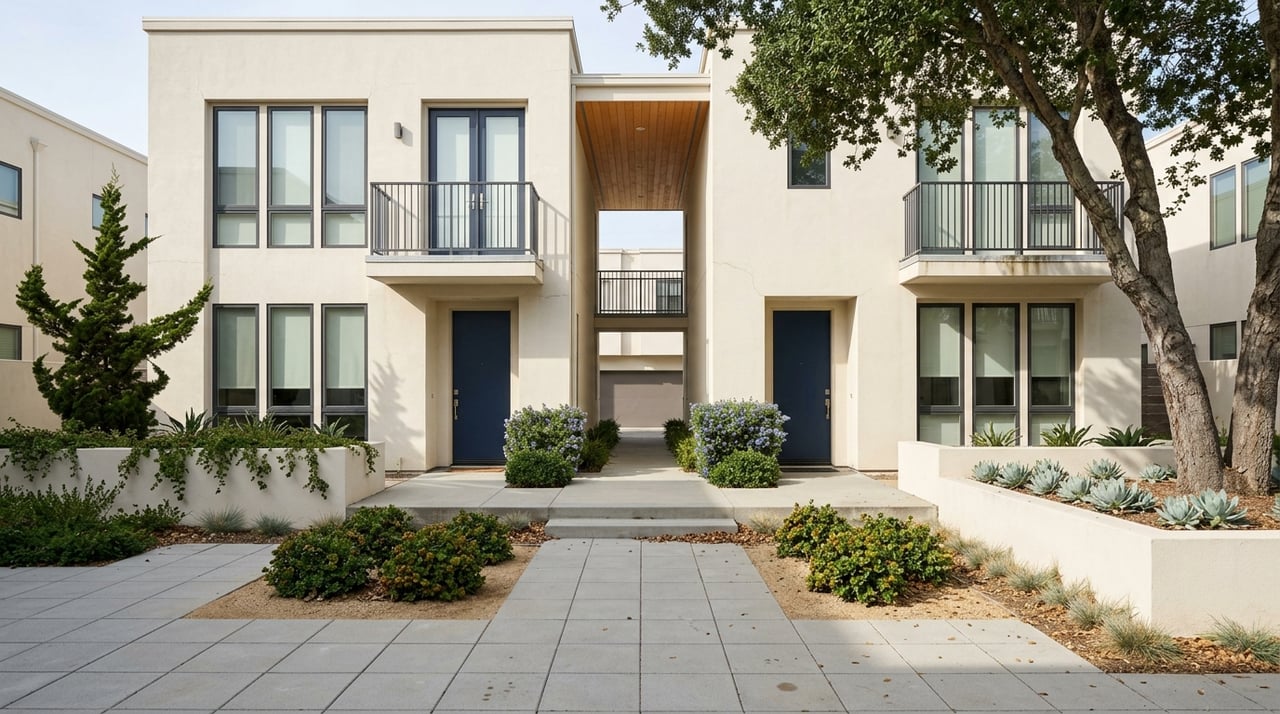
Monterey CA Condo and Townhome Buying Guide: Buy Confidently
June 4, 2026
June 4, 2026
If you want a foothold in Monterey without taking on the full cost and upkeep of a detached home, condos and townhomes deserve a close look. This part of the market can offer a lower entry point, strong location options, and a simpler day-to-day ownership experience, but it also comes with HOA rules, shared maintenance, and financial details you need to understand before you buy. In this guide, you’ll get a practical look at Monterey condo and townhome pricing, where these homes tend to be located, and what to review before making an offer. Let’s dive in.
Monterey remains a high-cost, supply-constrained market overall. Redfin reported a median sale price of $875,000 for Monterey in March 2026, while Zillow showed a median list price of $1,046,500 on April 30, 2026. Redfin also described the city as very competitive, with homes taking about 39 days to sell.
For buyers focused on attached housing, the numbers can look more approachable than the citywide headline prices. Redfin recently showed 27 condos for sale in Monterey at a median listing price of $607,000 and 4 townhouses at $813,000. That puts condos well below Monterey’s overall median list price, while townhomes also come in lower than the broader market benchmark.
For many buyers, that price gap is the starting point. A condo or townhome may let you buy into Monterey with less upfront cost than a detached property, while still giving you access to the city’s coastal setting, established neighborhoods, and infill locations. That said, the lower purchase price is only part of the full ownership picture.
Condos and townhomes often appeal when you want lower-maintenance ownership or a lock-and-leave setup. In Monterey, that can be especially attractive if you are buying a primary home with a busy schedule, a second home, or an investment-minded coastal property that feels more manageable than a detached house.
The tradeoff is straightforward. You may have less direct responsibility for some exterior upkeep, but in exchange you will usually pay HOA dues and agree to community rules. In a built-out coastal market like Monterey, where land supply is limited and many housing opportunities come through infill development, that tradeoff is a central part of the buying decision.
Monterey’s denser housing tends to show up in mixed-use and infill corridors rather than in large new subdivision-style neighborhoods. City planning documents describe Downtown Monterey as the city’s economic hub, with planning that supports transit, retail, and mixed-use growth. The Lighthouse/Foam corridor is planned for transit-oriented mixed-use development, and North Fremont is also envisioned as a mixed-use corridor with new residential development.
The city also notes that most residential districts are already built out and that Monterey has a limited water supply. Because of that, more recent housing development has often come from redevelopment of underused commercial sites rather than large-scale new neighborhood expansion. Current city project examples include condominium and apartment units in areas such as Cannery Row, Alvarado Street, and Lighthouse Avenue.
For buyers, that means attached housing options are often tied to location-specific advantages. You may find opportunities closer to downtown, near waterfront activity, along Lighthouse Avenue, around Del Monte Beach, or in hillside and forest-adjacent settings. The right fit depends on whether you value walkability, views, easier access to amenities, or a quieter setting.
Redfin’s Monterey condo search highlights Del Monte Beach, New Monterey, and Skyline Forest among the popular neighborhoods for condo shoppers. These areas can offer very different ownership experiences, even within the same city. That is why neighborhood-level guidance matters when you start comparing listings.
If you want coastal access and a location that feels connected to the shoreline, Del Monte Beach is worth watching. Listings in this area may include features like bay views, balconies, or convenient parking. For buyers who care about proximity to the water, this area can be one of the more obvious places to start.
New Monterey places you near well-known coastal corridors and established residential pockets. Depending on the specific property, you may see a mix of view-oriented homes, smaller-footprint residences, and attached housing near active parts of town. This can appeal if you want a central Monterey location with easy access to daily destinations.
Skyline Forest offers a different setting, with hillside and forest-oriented surroundings that may feel quieter and more tucked away. Some listings point to forest views, decks, and attached garages or parking. If your priority is a more residential feel over a busier mixed-use location, this area may stand out.
Monterey condo and townhome listings can vary widely, but some recurring features show up in current inventory and recent examples. These can include:
Amenities can shape both your lifestyle and your monthly costs. A property with stronger shared amenities may come with higher HOA dues, so it helps to compare not just what looks attractive in a listing, but also what you will be paying to maintain over time.
One of the biggest mistakes condo and townhome buyers make is comparing properties based only on asking price. The California Department of Real Estate advises buyers to pay attention to special taxes, assessments, and HOA dues because they affect your true monthly housing cost. Owning any home also means budgeting for maintenance and unexpected repairs.
A more useful way to compare options is to look at the full monthly picture, including:
This framework becomes especially important when you are comparing a condo or townhome with a detached house. The detached home may not have HOA dues, but you may be more directly responsible for exterior repairs and upkeep. The attached home may simplify some maintenance, but the HOA’s financial health becomes part of your risk profile.
Monterey’s coastal setting is part of the appeal, but it also affects long-term ownership costs. The City of Monterey’s housing plan says the city faces sea-level rise exposure and increased fire risk. It also identifies portions of downtown and Oak Grove as especially vulnerable to coastal impacts.
If you are considering a condo or townhome near the water or in an exposed location, insurance details matter. It is smart to review the association’s master insurance coverage, your likely individual policy needs, deductibles, waterproofing issues, and the strength of the HOA’s reserves. In coastal markets, deferred maintenance can become expensive faster than many buyers expect.
In California, HOA review is not a side task. It is one of the most important parts of your due diligence.
Under California Civil Code Section 4525, the seller of a condo or other separate interest must provide key HOA materials. These include the governing documents, the most recent annual budget and reserve materials, a statement of current regular and special assessments and any unpaid amounts, and any unresolved violation notices. If the governing documents restrict rentals or leasing, that also must be disclosed.
That means you should expect meaningful paperwork before closing. These documents can help you understand not just what you are buying, but how the community is run, what restrictions apply, and whether the association appears financially prepared for future repairs.
California law also sets standards for HOA budget reporting and reserve planning. Under Civil Code Section 5300, the annual budget report must be distributed 30 to 90 days before the end of the fiscal year and include an operating budget, reserve summary, reserve funding plan, and disclosure about whether the board has deferred major repairs or replacements for components with 30 years or less of remaining life.
Reserve studies are not optional background paperwork. They are a window into whether an HOA is planning responsibly for future expenses. California requires a visual inspection for the reserve study at least once every three years, and the board must review the study annually.
For you as a buyer, this is where the numbers matter. A low HOA fee can look appealing at first, but if reserves are underfunded or major work has been deferred, you may be inheriting future costs in the form of special assessments.
For many attached-home buyers in California, balcony and deck safety is now a must-review issue. Under Civil Code Section 5551, condominium projects with three or more attached multifamily units must complete exterior elevated element inspections at least once every nine years. The first inspection deadline was January 1, 2025.
This law applies to decks, balconies, stairways, walkways, and railings that are elevated more than six feet above the ground. In Monterey, where view-oriented properties often include exterior decks or elevated outdoor spaces, this inspection history can be especially important. If a building has these features, ask when the inspection was completed and whether any repairs were recommended or completed.
When you are comparing Monterey condos and townhomes, a short list of smart questions can help you avoid surprises later. Focus on the items that affect both your monthly cost and your long-term ownership experience.
Ask questions like these:
These questions are practical, not picky. In Monterey’s condo and townhome market, they are often the difference between feeling confident in your purchase and discovering major costs after closing.
The best Monterey condo or townhome for you will usually come down to three things: location, monthly cost, and HOA health. A beautiful unit in a great setting can still be a poor fit if the association’s finances are weak or the rules do not match how you plan to use the property. On the other hand, a well-run HOA in a strong infill location can make attached ownership feel both convenient and financially sound.
This is where local guidance can save time. In a market shaped by limited supply, redevelopment, coastal conditions, and varied neighborhood character, the details behind the listing often matter as much as the photos. A careful review of the property, the association, and the surrounding area can help you buy with more clarity.
If you’re weighing condo or townhome options in Monterey and want a senior-led, local perspective on pricing, location, and property fit, schedule a free consultation with J.R. Rouse Properties Group.
Stay up to date on the latest real estate trends.
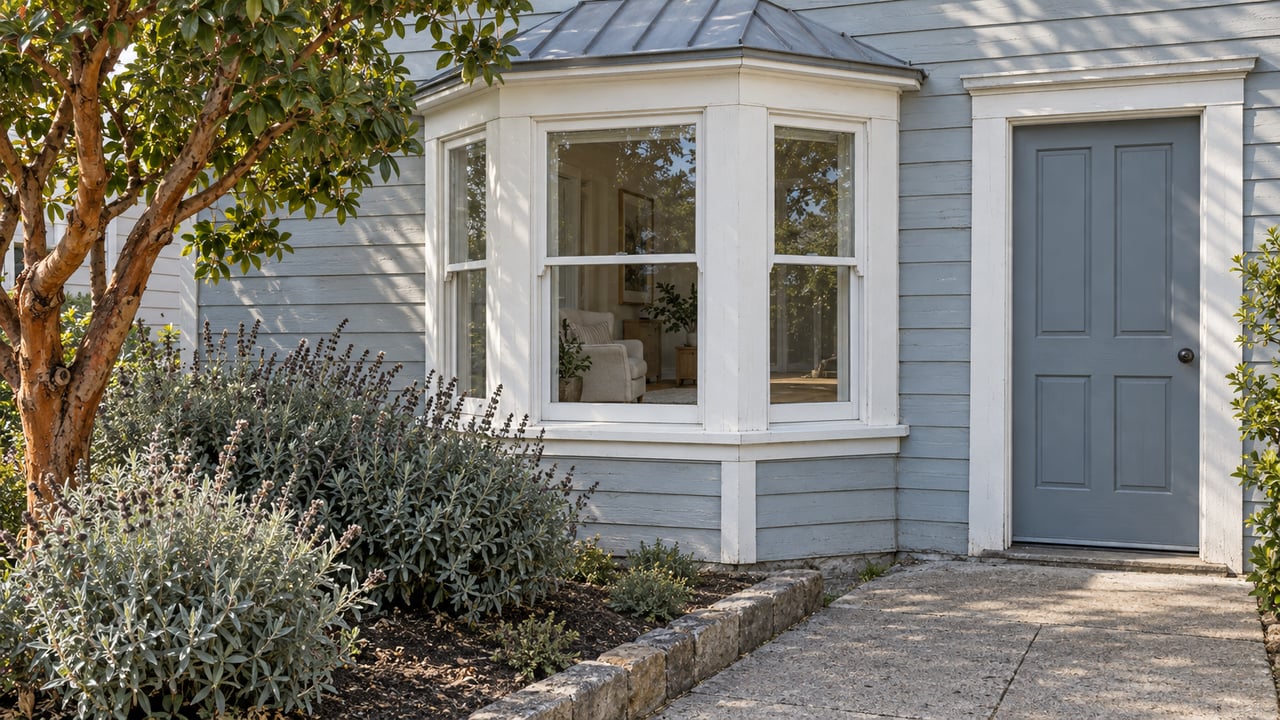
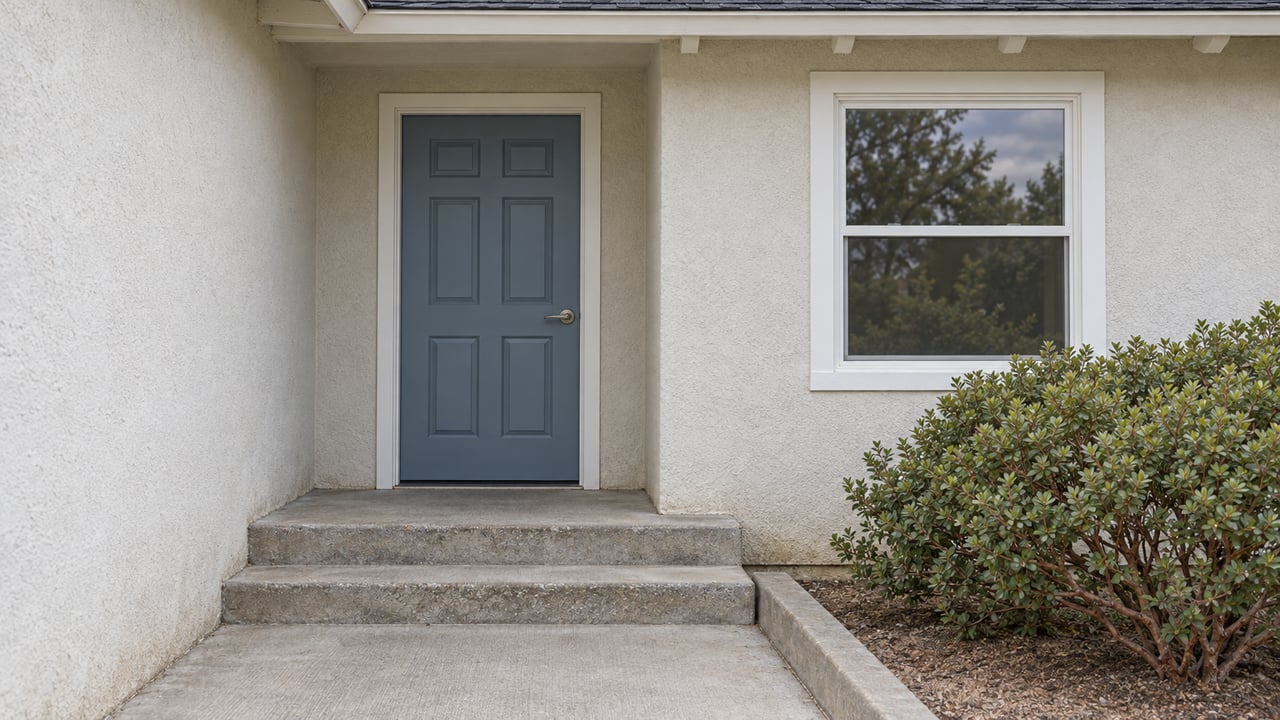
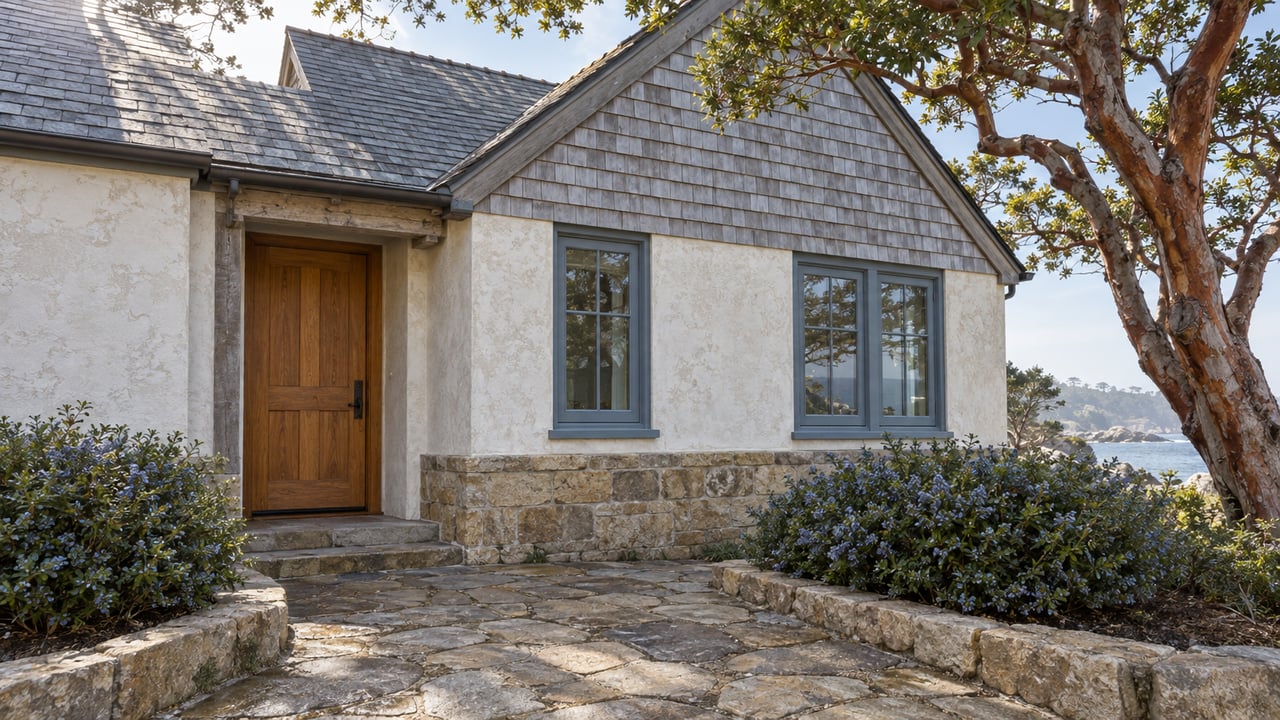

Our team listens closely, works tirelessly, and puts your goals at the center of everything we do. Whether you're buying, selling, or simply exploring your options, we’re here to guide you with expertise, every step of the way.
J.R. Rouse Properties Group
490 Lighthouse Ave Pacific Grove CA 93950 J.R. Rouse | CA DRE# 01299649 | MLS ID 70010296