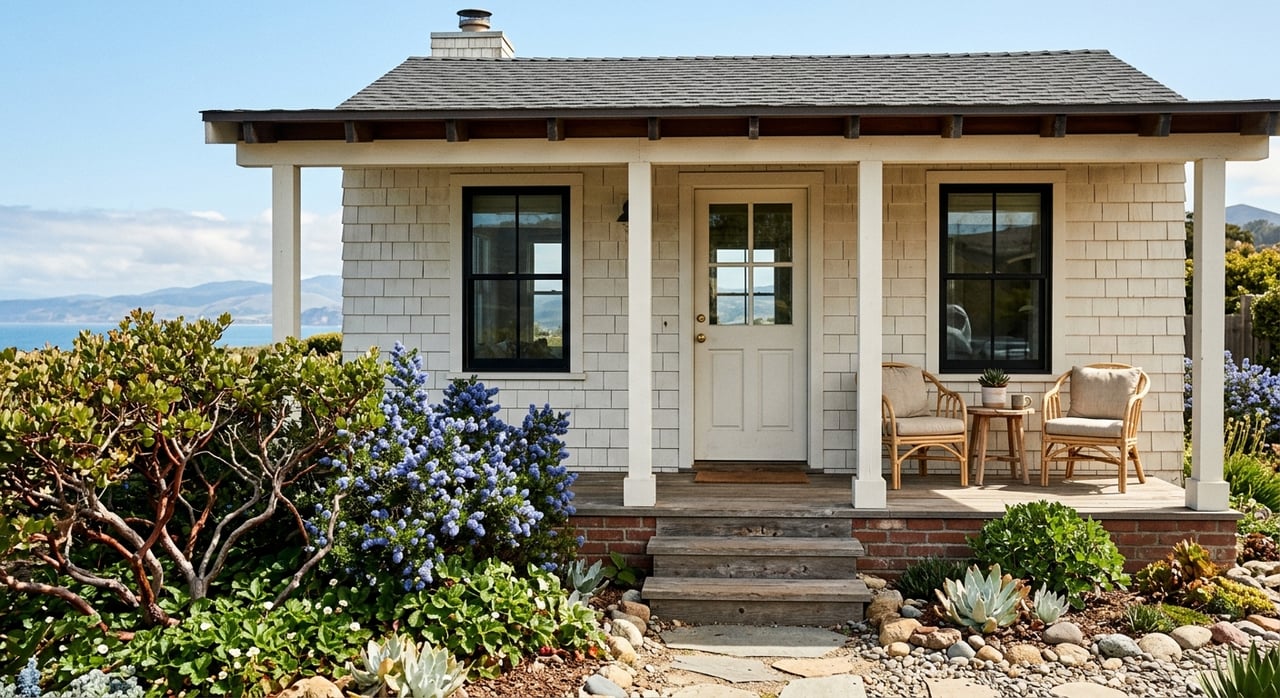
Downsizing To A Pacific Grove Cottage Near The Coast
May 14, 2026
May 14, 2026
If you love Pacific Grove but no longer need all the space you have, downsizing can feel both exciting and complicated. You may be thinking about unlocking equity, cutting upkeep, and finding a smaller coastal home that still fits your lifestyle. In a market where prices remain high and many cottages come with age, character, and local rules, a smart plan matters. Let’s dive in.
Pacific Grove is not a place where downsizing usually means leaving the market behind. It often means trading unused square footage for a smaller home that is easier to manage while staying close to the coast, daily routines, and the character you already enjoy.
That local context matters. The city has an estimated 14,851 residents, and 30.6% of the population is age 65 or older. Owner-occupied housing is about 50.4%, and the median owner-occupied home value is $1,190,400, which helps explain why many longtime owners are weighing both lifestyle and finances when they make a move.
Market timing also shapes the decision. Redfin reported a median sale price of $1.36 million in March 2026, with homes spending a median of 76 days on market. If you are selling and buying in the same area, your plan needs to account for both your expected proceeds and how long it may take to secure the right replacement home.
A cottage can be a strong downsizing option if your goal is simpler living without giving up location. In Pacific Grove, many smaller homes offer coastal charm, manageable interiors, and established settings that appeal to buyers who want less maintenance than a larger property may require.
The city’s housing stock is also shaped by preservation history. Pacific Grove’s historic resources inventory includes about 1,200 buildings built before 1927, including many modest houses and some Victorian structures. That means your ideal downsizing home may come with character and constraints at the same time.
For many buyers, that is not a drawback. It simply means the search should focus on fit, condition, and realistic improvement potential instead of assuming every cottage can be remodeled in the same way as a newer home.
Before you tour cottages, get clear on what you may actually have available to spend. Home equity is the current value of your property minus your mortgage balance, but that number is only the starting point for a downsizing budget.
A more useful estimate begins with your likely sale price. From there, subtract your mortgage payoff and account for transaction costs. On the purchase side, closing costs typically run about 2% to 5% of the home purchase price, excluding your down payment.
If you are buying before your current home sells, cash flow matters even more. The amount you need to bring to closing may be higher or lower depending on funds already paid and whether any seller credits apply. Looking at these numbers early can help you avoid falling in love with a home that does not fit your overall plan.
Taxes can have a major effect on your downsizing strategy, especially if you have owned your current home for many years. Depending on your situation, both capital gains treatment and California property taxes deserve a close look before you commit to a timeline.
For federal home-sale tax treatment, IRS Topic 701 says qualifying taxpayers may exclude up to $250,000 of gain, or up to $500,000 on a joint return, if the ownership and use tests are met. That does not mean every sale is tax-free, but it does mean many longtime owners may have planning opportunities worth reviewing.
In California, Proposition 19 may be especially important. Eligible homeowners who are at least 55, severely disabled, or disaster victims may transfer the taxable value of a primary residence to a replacement primary residence anywhere in California if the replacement is purchased or newly constructed within two years of the original sale.
This benefit can be used up to three times, and the claim is filed with the county assessor where the replacement home is located. For many Pacific Grove owners, that can be a key part of deciding whether a smaller home truly improves monthly affordability.
If you are downsizing into an older cottage, it helps to separate cosmetic wants from must-have improvements. In Pacific Grove, that distinction can save time and reduce surprises.
If a property is in the city’s coastal zone, all development is regulated by the Local Coastal Program, and a Coastal Development Permit is a discretionary permit for development. At the same time, the city says certain interior improvements to existing single-family homes are exempt from Coastal Development Permit review, including lowering an existing kitchen or bathroom counter to accommodate a wheelchair. Minor interior work generally does not trigger additional planning permits.
That is good news if your priority is accessibility or day-to-day function. Simple interior changes may be more straightforward than exterior or structural work.
Historic review is another factor. A project that could affect a building that is 50 years old or older may require a Phase One Historic Assessment. Pacific Grove’s preservation program is intended to work with owners on projects that meet their needs while preserving neighborhood character, but review requirements can still affect cost, timing, and design choices.
When you tour smaller homes, think beyond square footage. The right cottage is the one that supports your daily life with less strain, fewer deferred projects, and a layout that works now and later.
Here are a few features worth prioritizing:
If you are comparing two homes, the one with slightly less charm but fewer complications may be the better downsizing choice. In Pacific Grove, character is valuable, but so is predictability.
One of the biggest downsizing decisions is order of operations. Should you sell first, buy first, or use temporary financing to bridge the gap? The answer depends on your liquidity, your comfort with risk, and how important property-tax planning is to your move.
Selling first is often the cleanest path because you know exactly how much money you have to work with. That can make your next purchase more confident and may reduce pressure around financing.
This approach can also align well with a careful downsizing plan in Pacific Grove, where home values are high and timelines can vary. If your current home takes time to sell, you avoid carrying two properties at once.
Buying first can help if the right cottage appears before your current home is listed or sold. It may reduce the stress of moving twice or scrambling to secure a replacement home in a limited-inventory market.
But there is an important Proposition 19 timing detail. If you buy the replacement home before selling your original home, the transfer can still qualify if the original home sells within two years. Until that original sale closes, however, you will pay property taxes on the replacement home’s full fair market value.
Bridge or swing loans can help cover the transition if you need funds before your current home sale closes. Fannie Mae says these loans can be an acceptable source of funds, but the lender must document your ability to carry the current home, the new home, the bridge loan, and your other obligations.
In plain terms, bridge financing can create flexibility, but it is not a casual tool. It works best when you have a strong financial profile and a clear plan for timing the sale of your existing home.
A well-planned move usually feels less overwhelming. If you are considering a Pacific Grove cottage near the coast, this step-by-step approach can help:
This kind of planning is especially useful in Pacific Grove, where a smaller home can still be a significant investment. The more clarity you build up front, the easier it becomes to choose with confidence.
Downsizing on the Monterey Peninsula is rarely a one-size-fits-all decision. In Pacific Grove, your plan may involve pricing strategy, timing, property-tax portability, and the realities of older or historic homes all at once.
That is why local, senior-led guidance can make a real difference. You want advice that reflects how cottages actually trade in this market, how buyers evaluate condition and charm, and how city review rules may affect your options after closing.
If you are thinking about downsizing to a Pacific Grove cottage near the coast, the right first move is a conversation about your goals, timing, and likely net proceeds. To get tailored guidance on selling your current home and finding the right next fit, schedule a free consultation with J.R. Rouse Properties Group.
Stay up to date on the latest real estate trends.
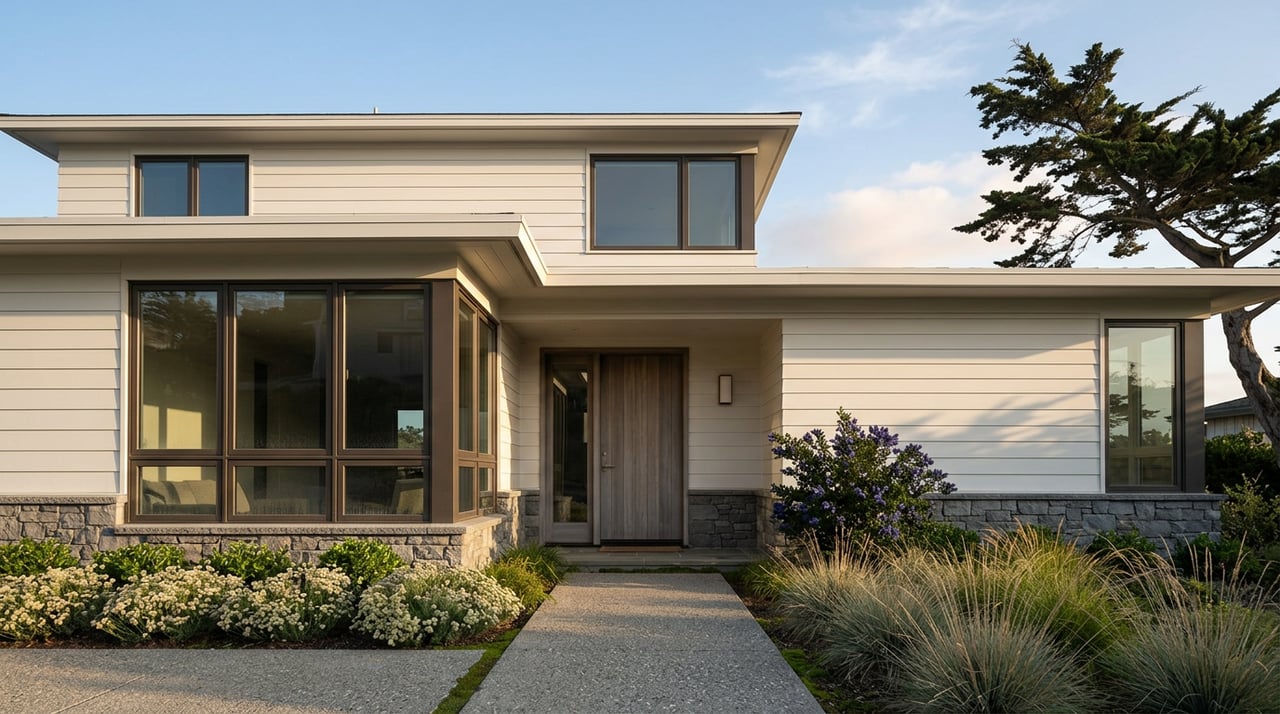
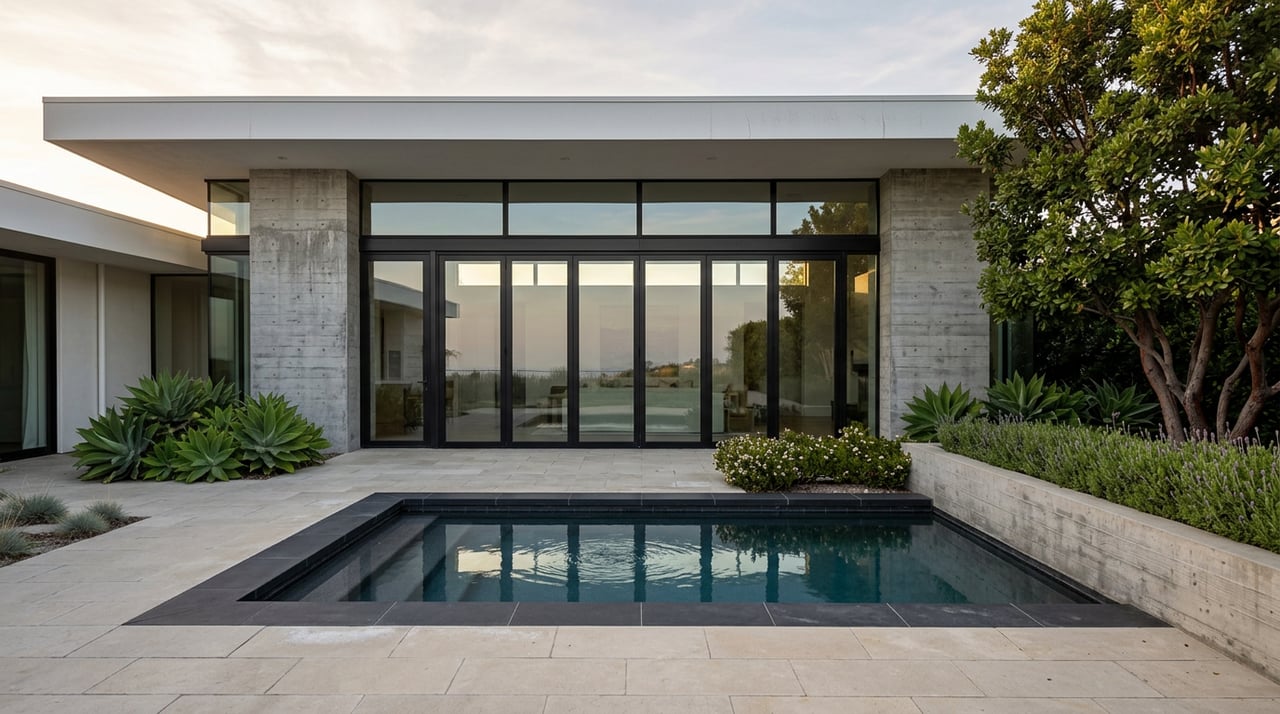

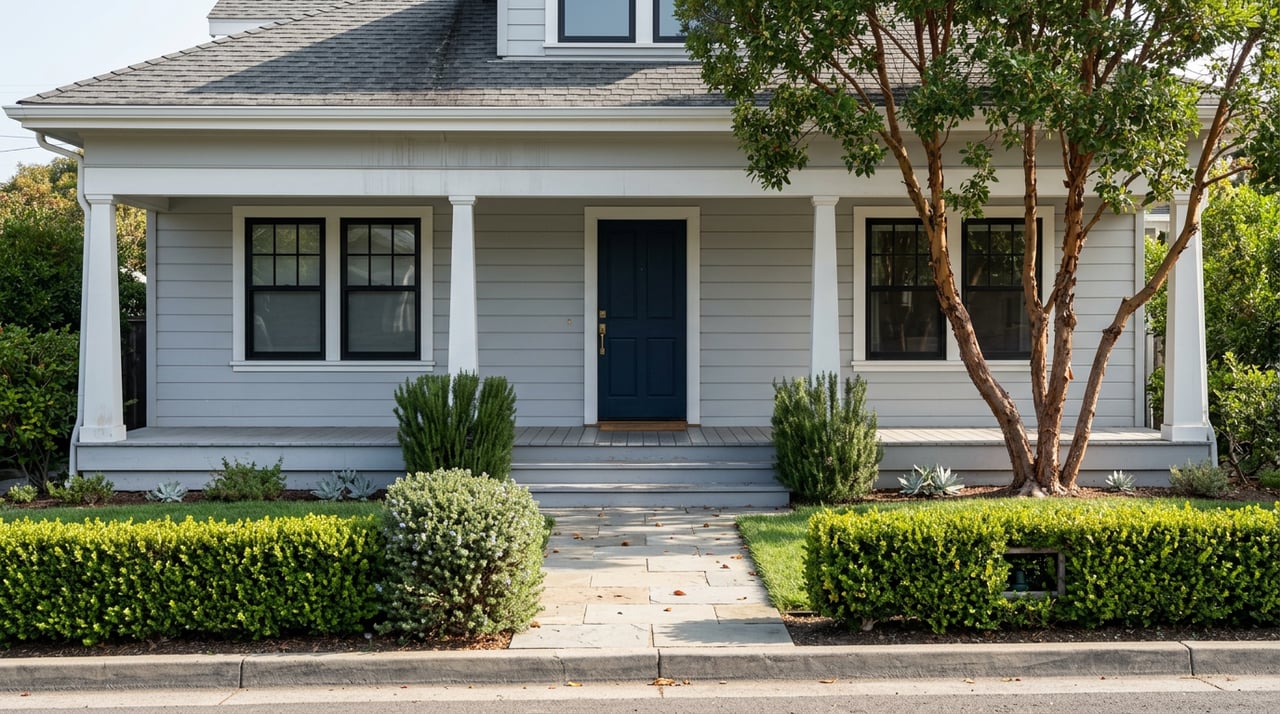
Our team listens closely, works tirelessly, and puts your goals at the center of everything we do. Whether you're buying, selling, or simply exploring your options, we’re here to guide you with expertise, every step of the way.

J.R. Rouse Properties Group
574 Lighthouse Ave Pacific Grove CA 93950 J.R. Rouse | CA DRE# 01299649 | MLS ID 70010296