Is your roof quietly nearing the end of its life, or can it go another decade? In Salinas, the marine layer, mild temps, and occasional salt air make roof planning a little different from inland California. In this guide, you’ll see realistic lifespans by material, local cost ranges, permit and disclosure basics, and simple ways to budget with confidence. Let’s dive in.
Salinas climate impact on roofs
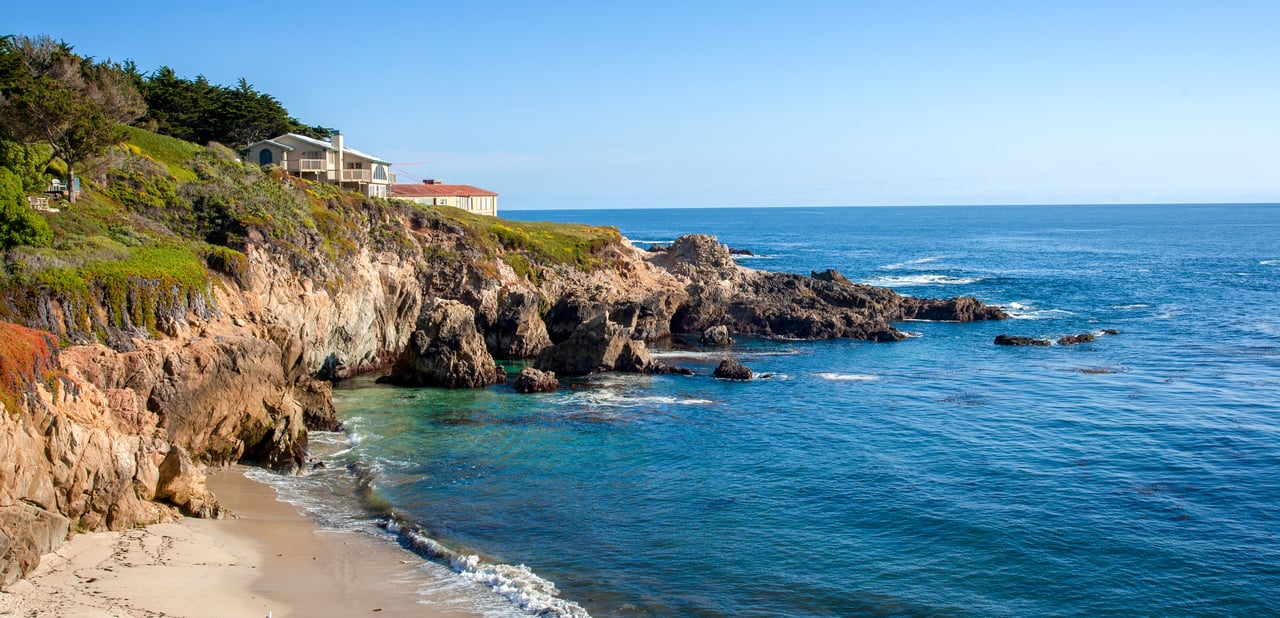
Salinas has a mild, marine-influenced climate with frequent morning fog and moderate temperatures, which reduces heat-related roof stress compared with hotter inland areas. That same moisture and salt air can speed up corrosion on metal components and shorten the life of some underlayments near the coast. Review materials and fasteners with corrosion resistance in mind, especially on exposed sites. You can see local climate normals for Salinas to understand the baseline conditions you’re planning around here.
Expected lifespans by material
Asphalt shingles
- 3-tab shingles typically last about 15 to 20 years in normal conditions.
- Architectural or dimensional shingles often last about 20 to 30 years or more, depending on installation quality and ventilation. See a helpful overview of shingle longevity here.
- In Salinas, mild temps help, while moisture and algae can be a factor. Good attic ventilation and proper flashing are key.
Metal roofs
- Quality standing seam or coated steel and aluminum roofs commonly last 40 to 70 years. Premium metals like copper or zinc can go even longer. Learn more from the Metal Roofing Alliance’s FAQ here.
- Near the coast or on wind-exposed ridgelines, choose corrosion-resistant metals, compatible fasteners, and high-quality finishes.
Clay and concrete tile
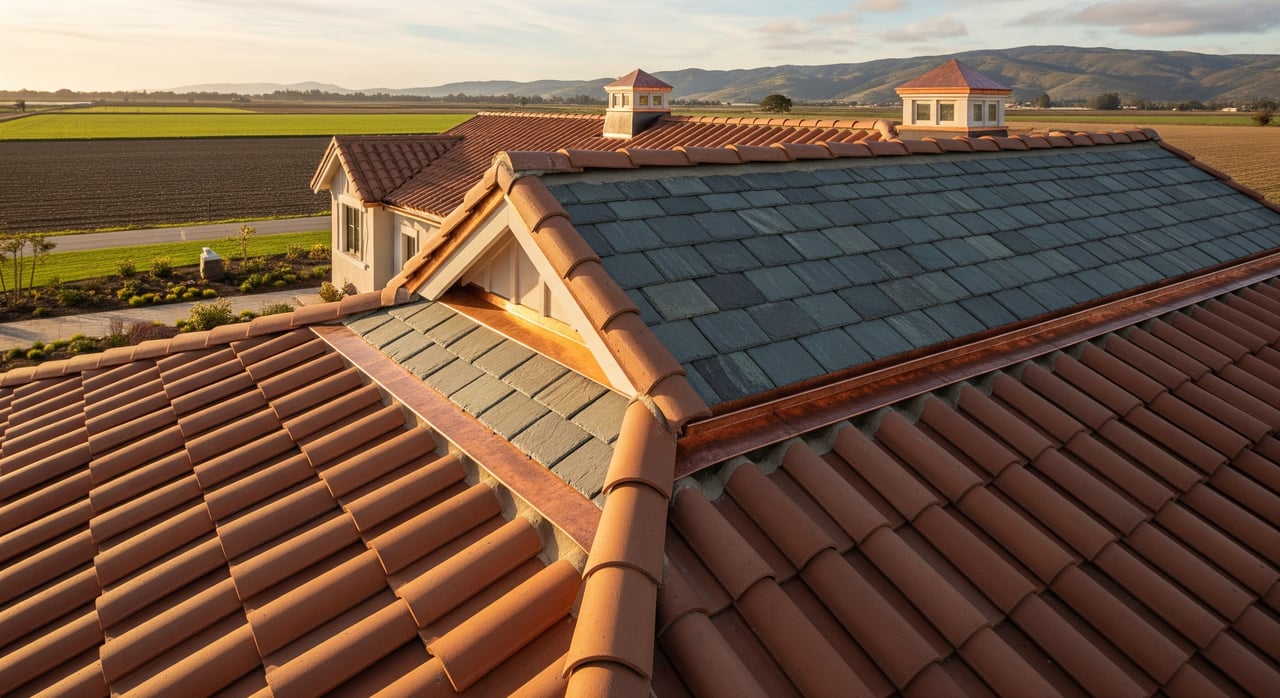
- Tiles themselves often last 50 to 100 years or more.
- The critical budget item is the underlayment beneath the tiles. It often needs replacement on a 20 to 30 year cycle, even if the tiles look fine. Get practical tile and underlayment guidance here.
Low-slope and flat roofs
- Single-ply membranes such as EPDM, TPO, and PVC often serve 15 to 30 years in typical conditions.
- Drainage, flashing quality, and maintenance drive actual life more than the material alone.
What shortens or extends roof life
- Installation quality and flashing details are the most common make-or-break factors.
- Proper attic ventilation helps slow aging of shingles and underlayment.
- Exposure to salt air, prevailing winds, and debris affects metal parts and underlayment over time.
Replacement costs in Salinas
- Asphalt shingles often run about 4 to 13 dollars per square foot installed in California. A typical single-family roof commonly falls in the low to mid five figures, depending on size, pitch, tear-off, and product grade. See a current statewide cost overview here.
- Metal and tile roofs usually cost more upfront but offer longer service lives, which can lower the annualized cost over time.
- If you have rooftop solar, budget for removal and reinstallation. National averages center around about 200 to 400 dollars per panel, with totals commonly between about 2,500 and 5,000 dollars for typical arrays. Get a helpful cost rundown here.
Note: Costs exclude permit fees, potential deck repairs, taxes, and any hazardous material abatement. Always get three local quotes.
How to budget with confidence
1) Simple reserve method
- Get a conservative replacement estimate for your roof type.
- Divide by the expected useful life to set your annual reserve.
- Example: A 2,000 square foot architectural shingle roof at 12 dollars per square foot equals about 24,000 dollars. With a 25-year life, that’s roughly 960 dollars per year. See statewide cost context here.
2) Targeted reserve by condition and age
- If a shingle roof is 10 to 15 years old and showing wear, plan to replace within 5 to 10 years rather than waiting for leaks.
- For tile roofs, budget for underlayment work on a 20 to 30 year cycle, even if tiles remain reusable. Add a contingency for any broken tiles or deck repairs during the process.
Permits, disclosures, and timing
City of Salinas permits
Residential re-roof projects fall under the City of Salinas Permit Center. Budget for permit fees and inspections, and review the re-roof checklist before you bid the job. Start with the Permit Center resources here.
County of Monterey
If the property is outside Salinas city limits, check the County of Monterey Permit Center for permit types and fee schedules. Details are available here.
Contractor licensing
California requires a licensed contractor for jobs that require a permit or total 1,000 dollars or more. Verify the roofing contractor’s CSLB license and insurance before signing. See state rules here.
Seller disclosures
If you sell a 1 to 4 unit residential property, you must disclose known roof defects, leaks, and material conditions on the Transfer Disclosure Statement. Many sellers also complete the Seller Property Questionnaire. Review TDS guidance here.
Fire-resistance notes
If your property is in a higher fire hazard area, Class A materials may be recommended or required for re-roofing. Confirm any local requirements during your permit review.
Maintenance moves that extend life
- Do an annual visual check for debris in valleys and gutters, cracked tiles, lifted shingles, and damaged flashing. Clean gutters regularly.
- Get a professional roof inspection every 2 to 5 years, or sooner after strong wind or heavy rain.
- For tile roofs, track underlayment age and keep a few matching spare tiles on hand.
- For metal roofs, have fasteners, seams, and coatings checked and touched up to deter corrosion.
Quick buyer and seller checklist
- Verify roof age, material, and any permits for past work.
- Ask for documentation on prior repairs, warranties, and solar array details if present.
- Budget a reserve based on material type and expected life.
- If selling, complete required disclosures and consider a pre-listing roof inspection.
- If buying, include roof condition in your due diligence and offer strategy.
Ready to decide whether to repair, replace, or simply plan ahead? Let’s talk about timing, disclosures, and how roof condition fits into your sale or purchase strategy. Connect with the J.R. Rouse Properties Group for local guidance tailored to your goals.
FAQs
How long do asphalt shingle roofs last in Salinas?
- Most 3-tab shingles run about 15 to 20 years, while architectural shingles often last about 20 to 30 years, helped by Salinas’ mild temperatures but affected by moisture.
What is the typical cost to replace a roof in Salinas?
- California ranges often run about 4 to 13 dollars per square foot installed for asphalt shingles, with many homes landing in the low to mid five figures depending on size and complexity.
How often does tile roof underlayment need replacement?
- Plan for underlayment work roughly every 20 to 30 years, even if your clay or concrete tiles still look great and can be reused.
Do I need a permit for a re-roof in the City of Salinas?
- Yes, the City of Salinas issues re-roof permits and inspections, so budget for fees and timing as part of your project plan.
What should sellers disclose about the roof in California?
- You must disclose known leaks, damage, and material conditions on the Transfer Disclosure Statement, and many sellers also complete a Seller Property Questionnaire.
How much does it cost to remove and reinstall solar for a roof replacement?
- National averages center around about 200 to 400 dollars per panel, with many systems totaling approximately 2,500 to 5,000 dollars for removal and reinstallation.