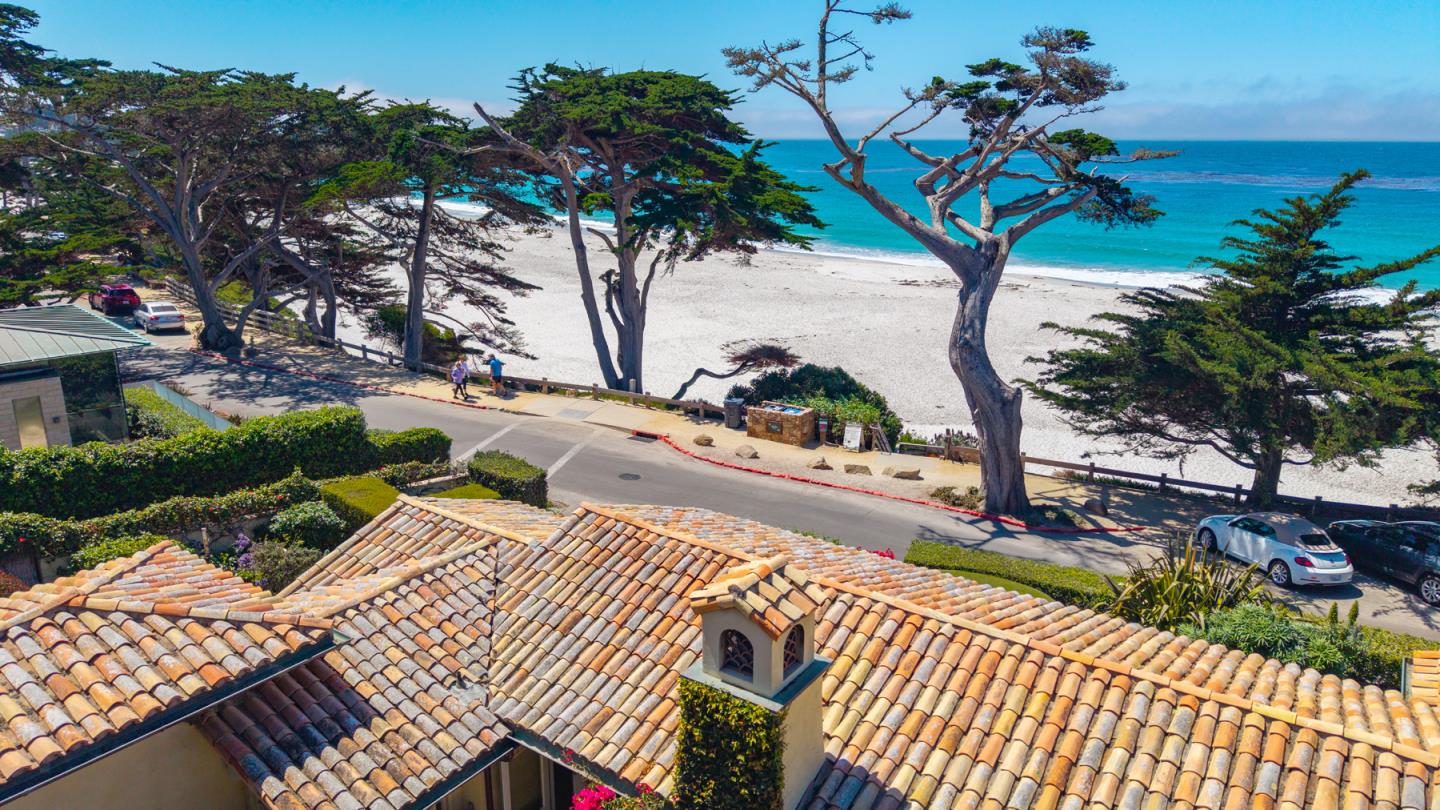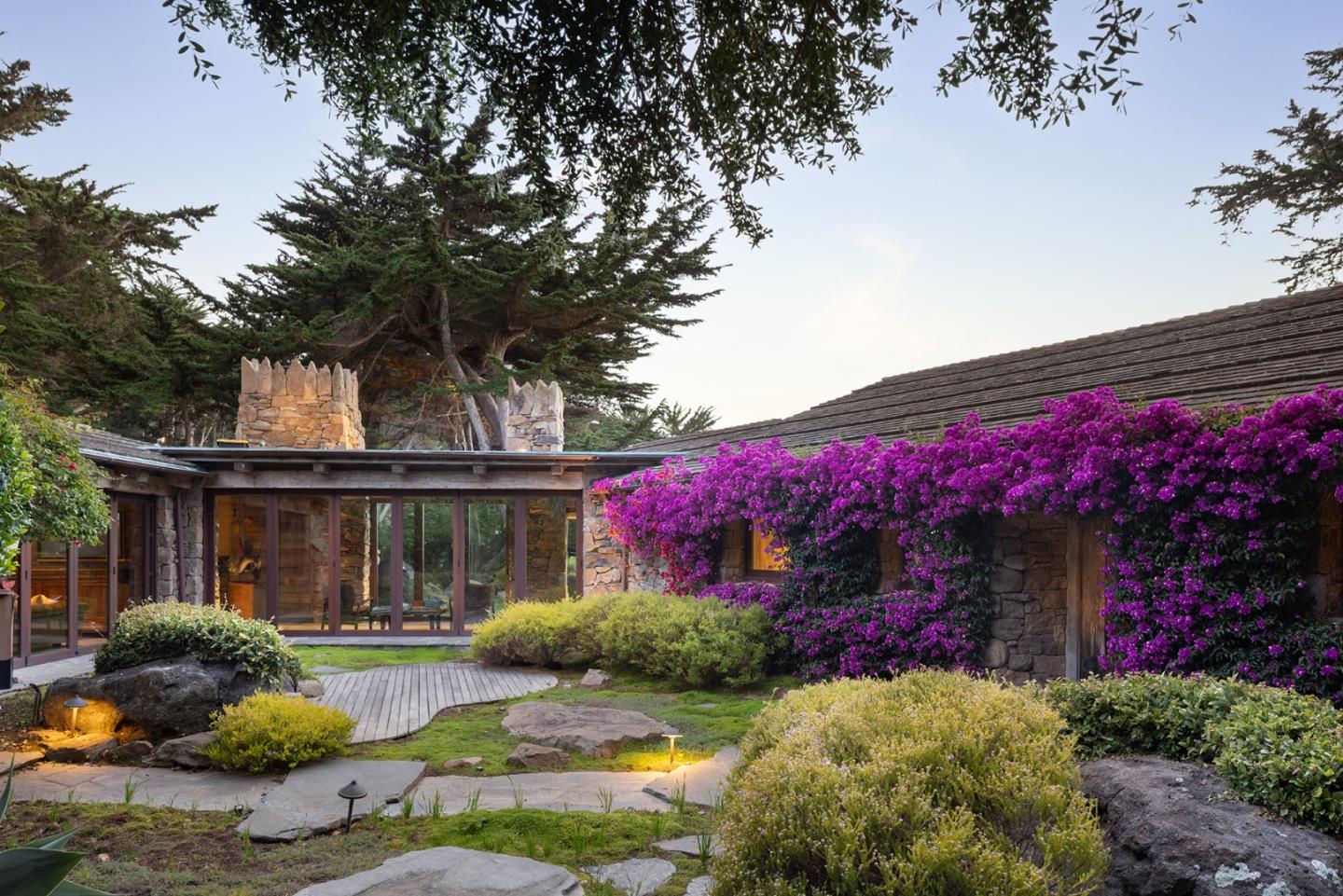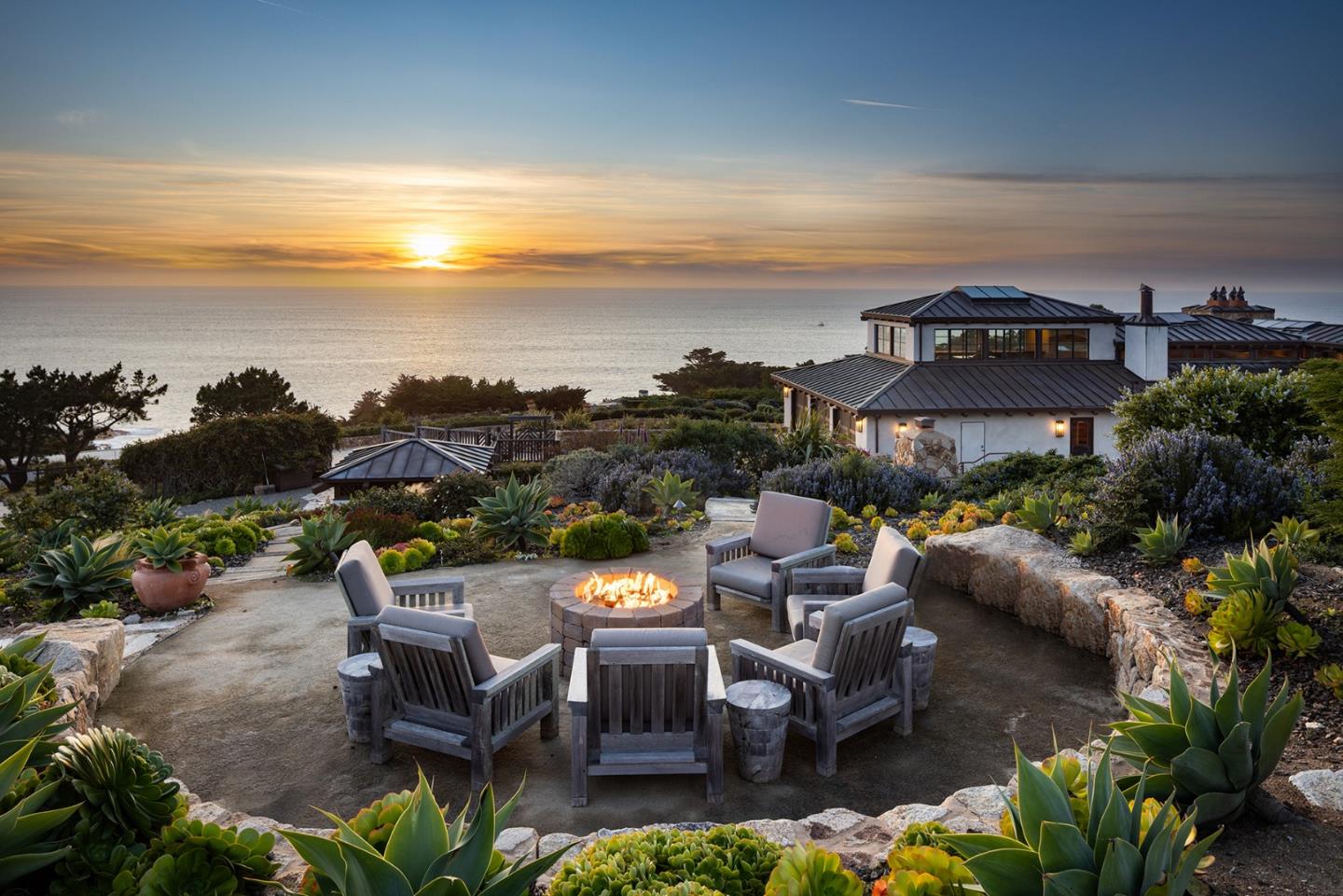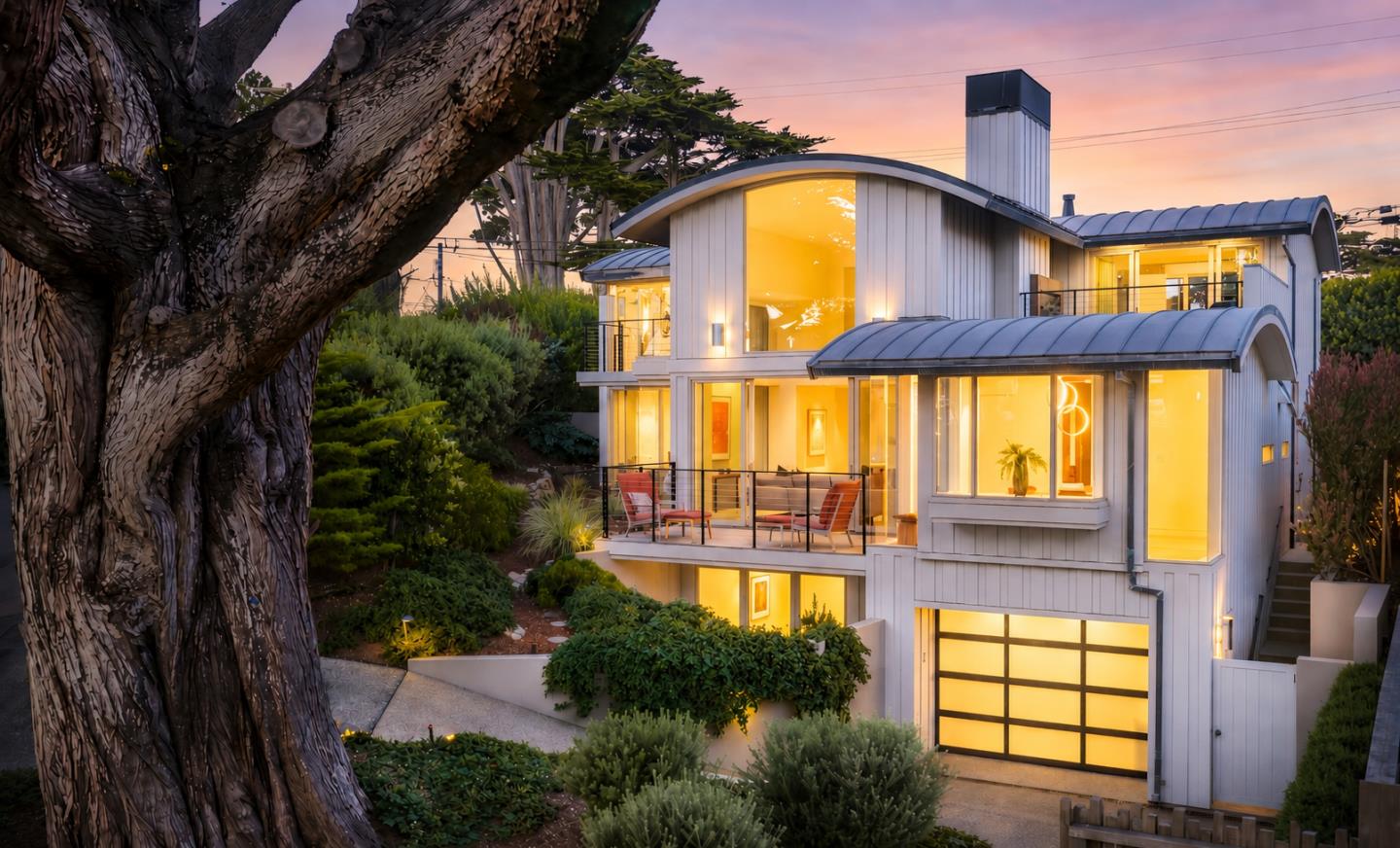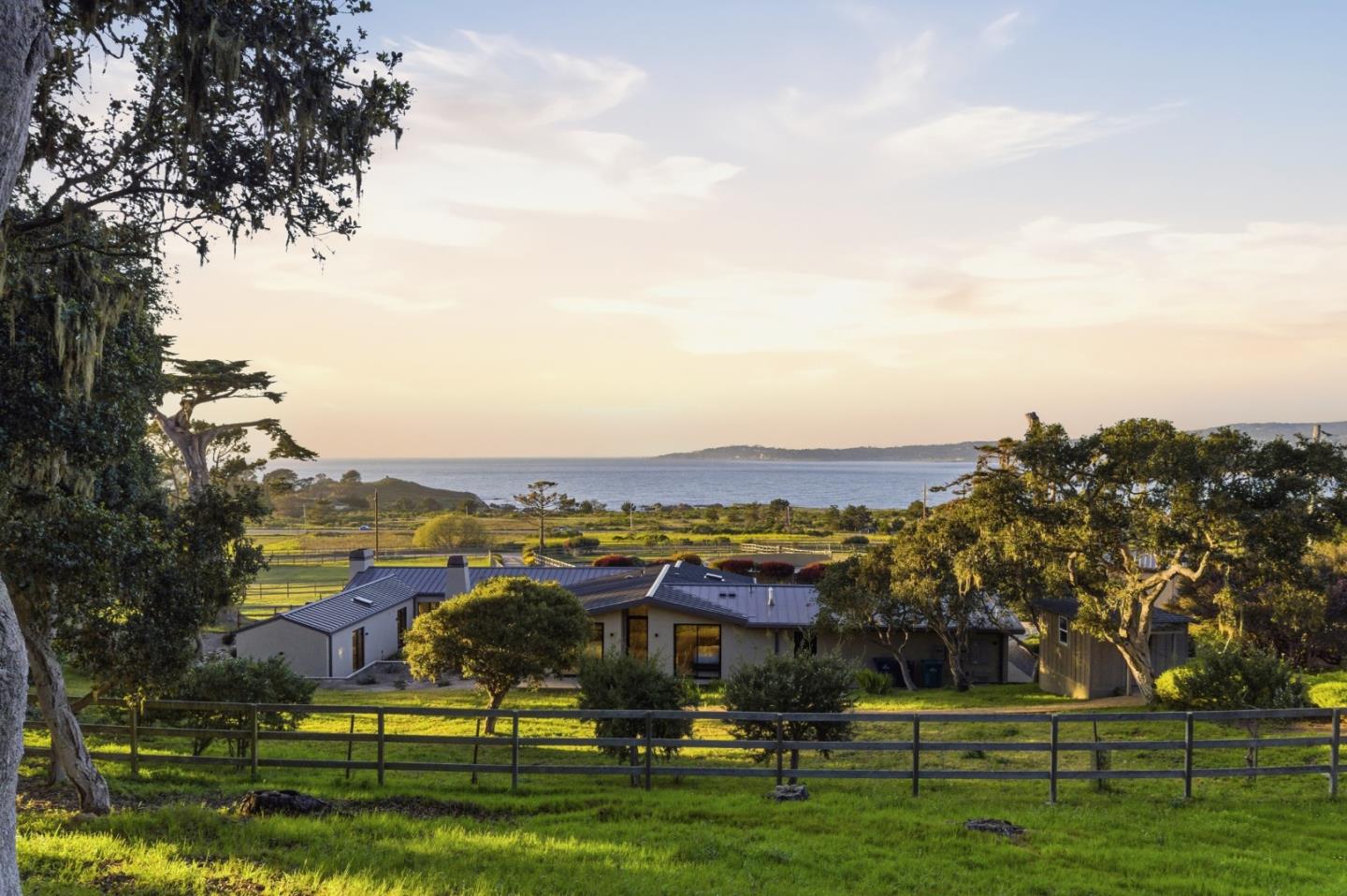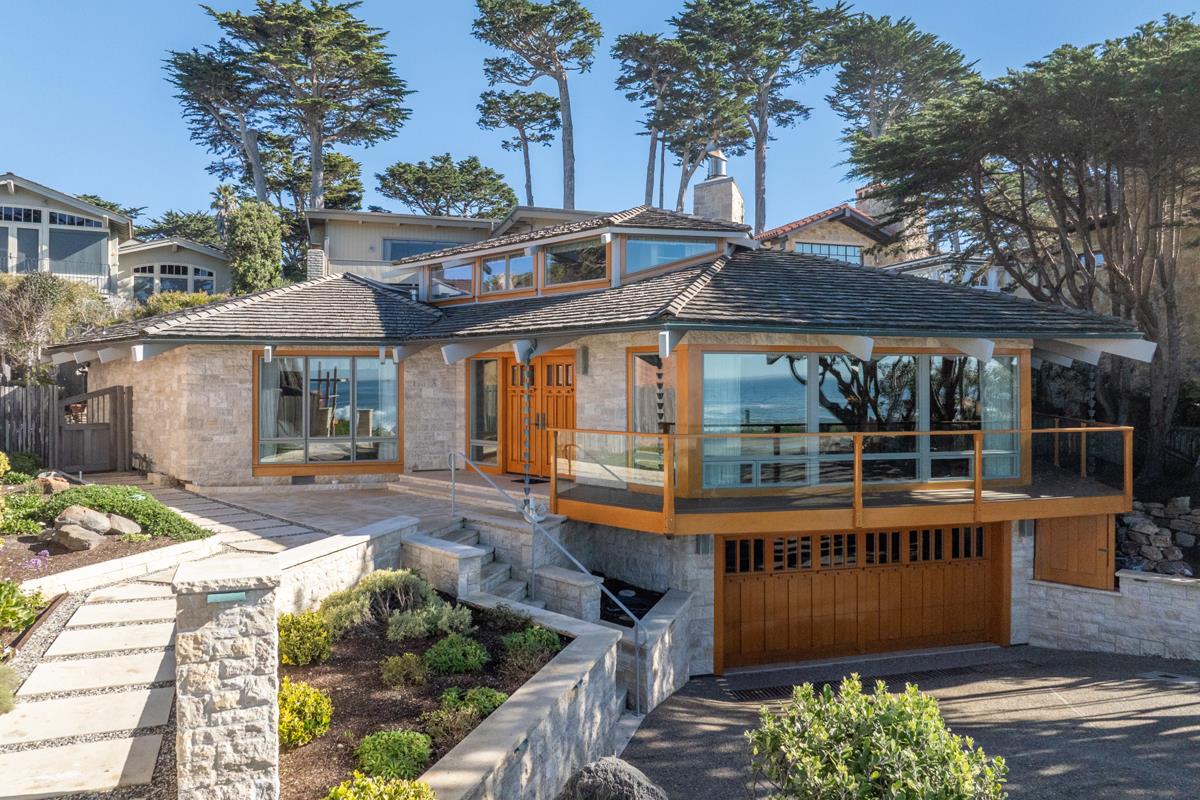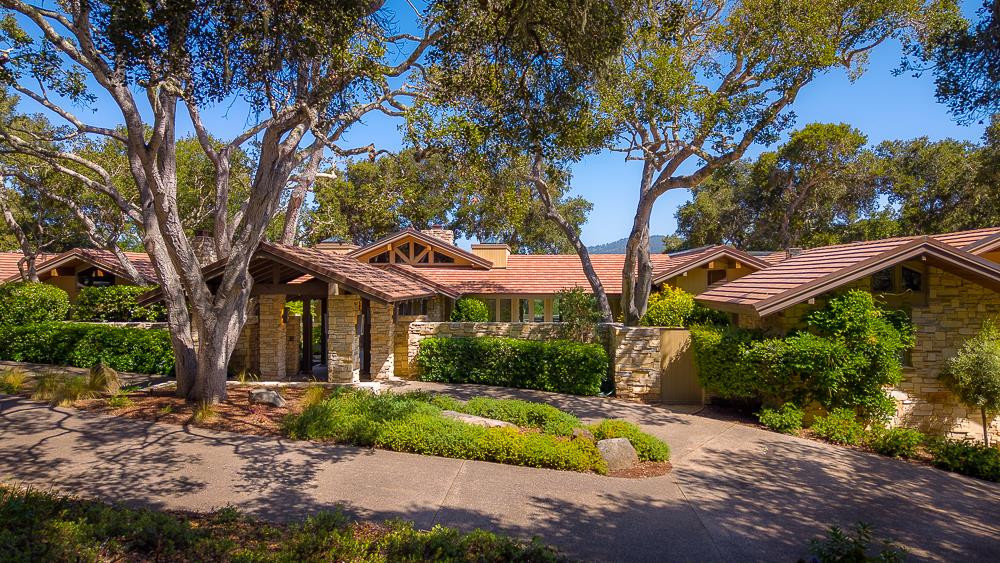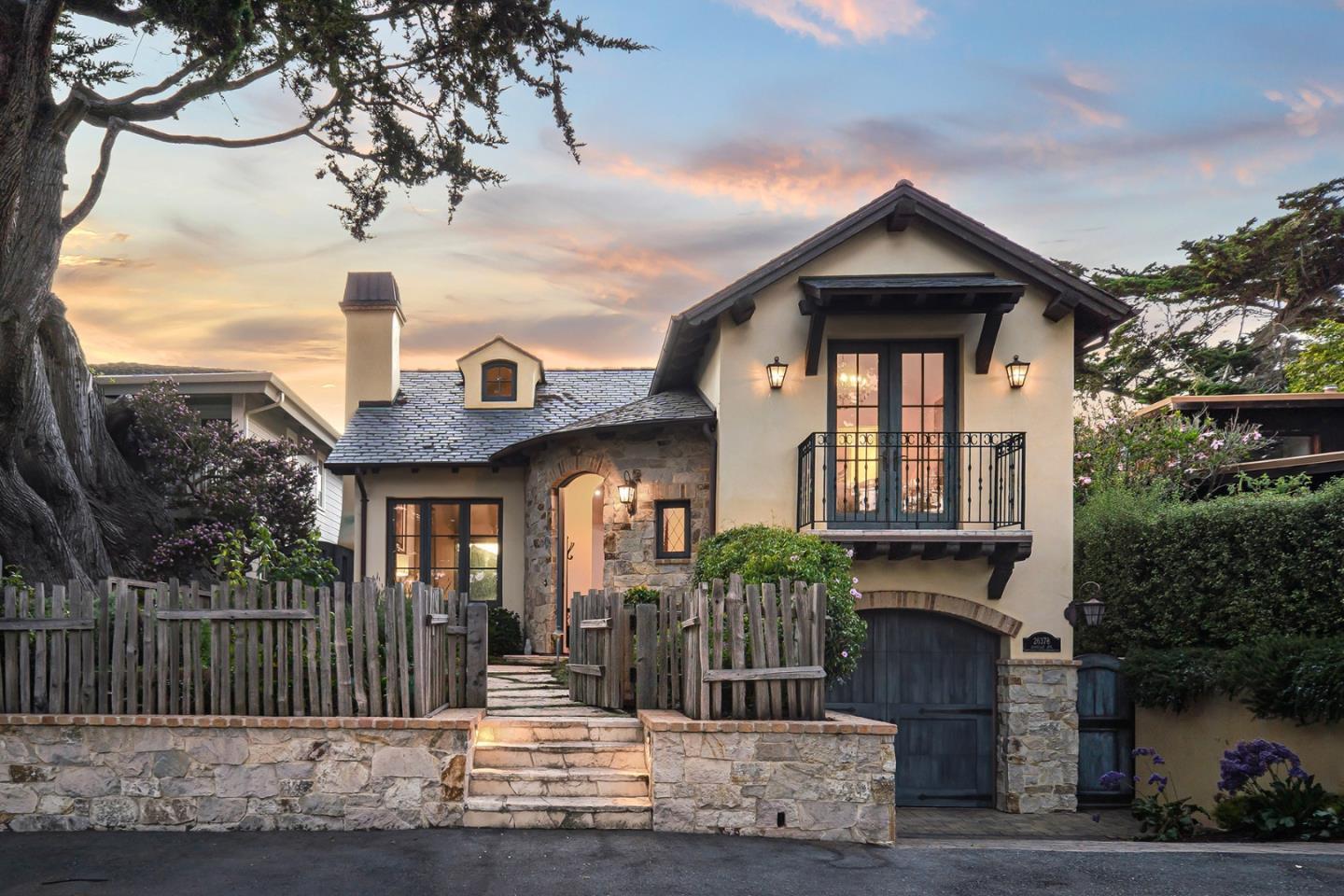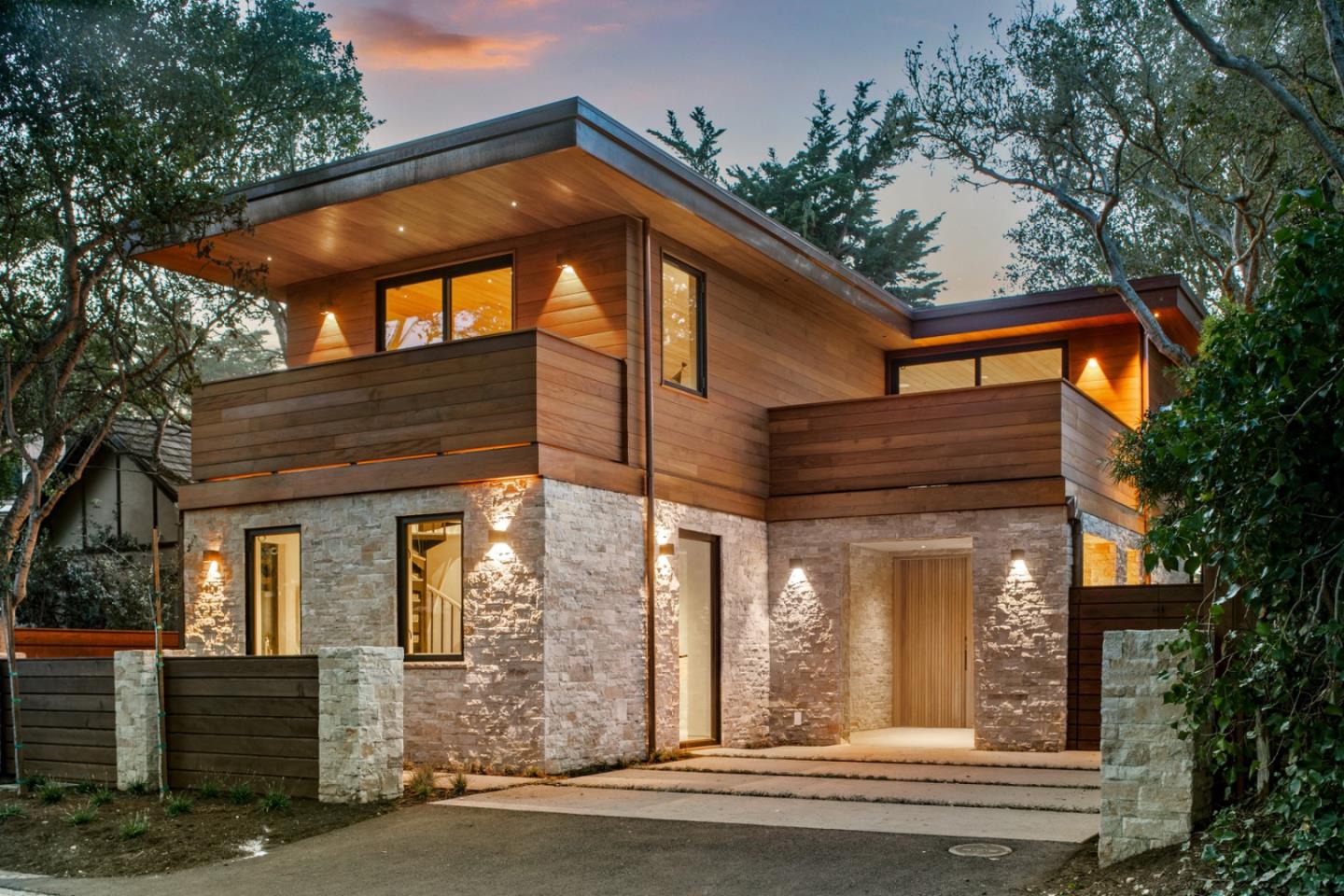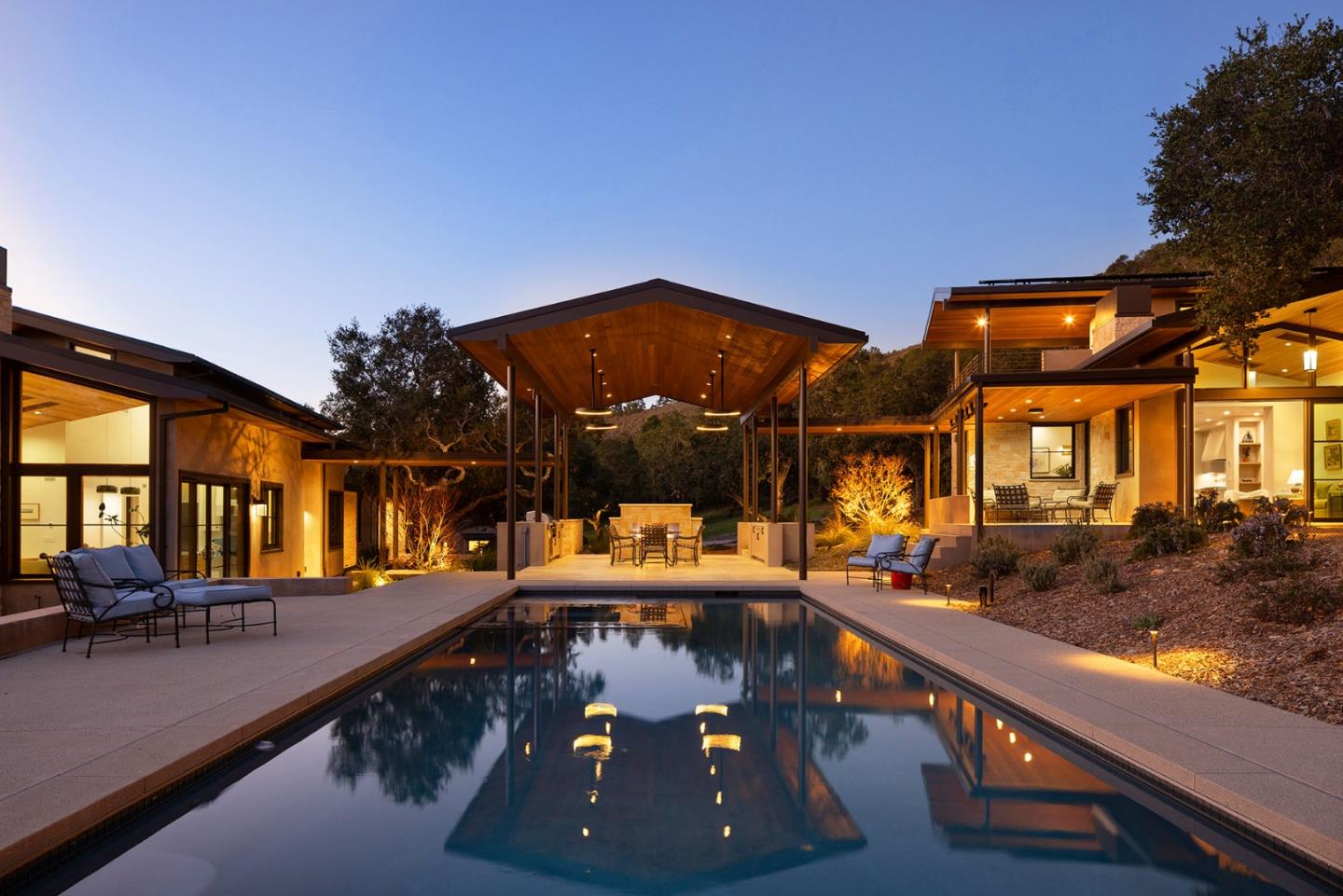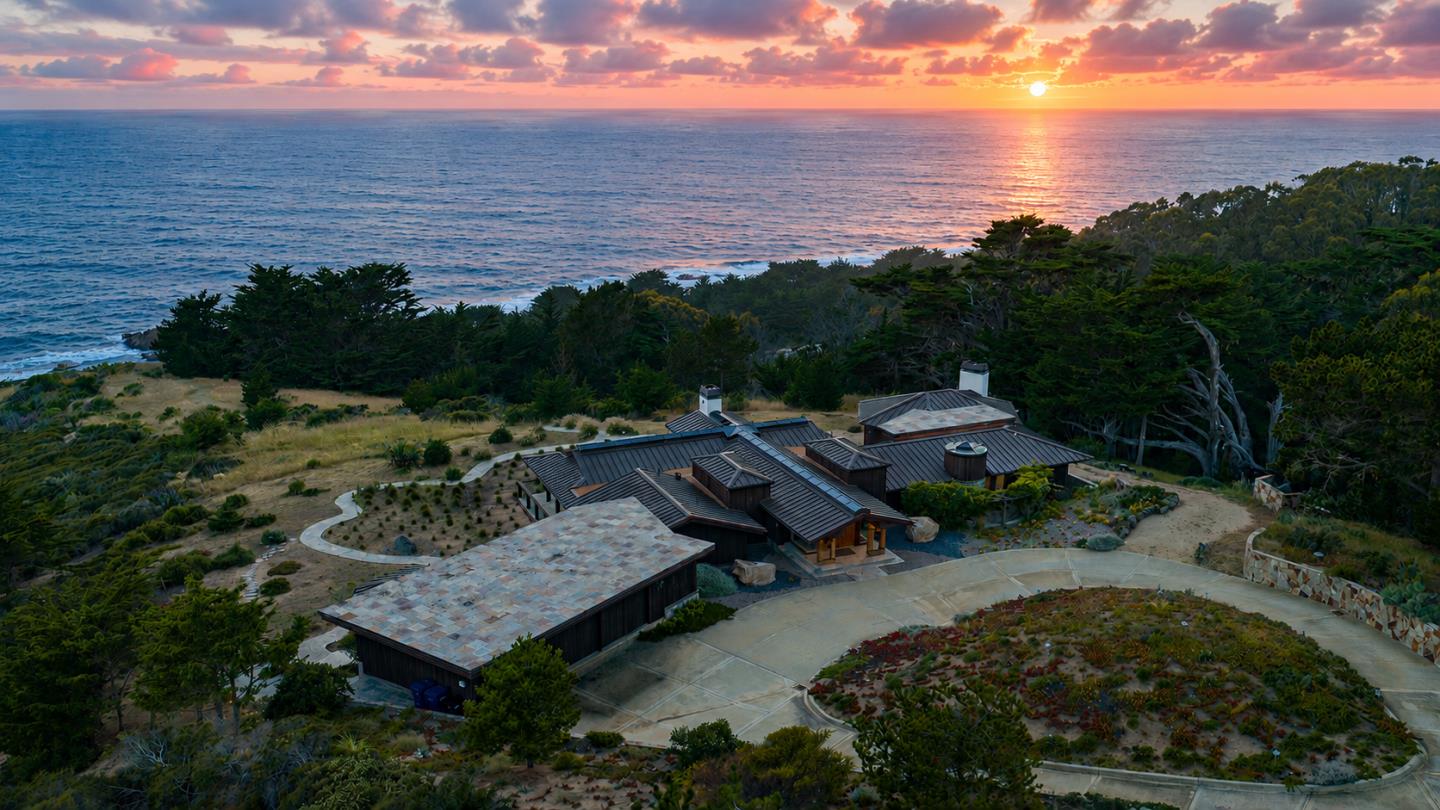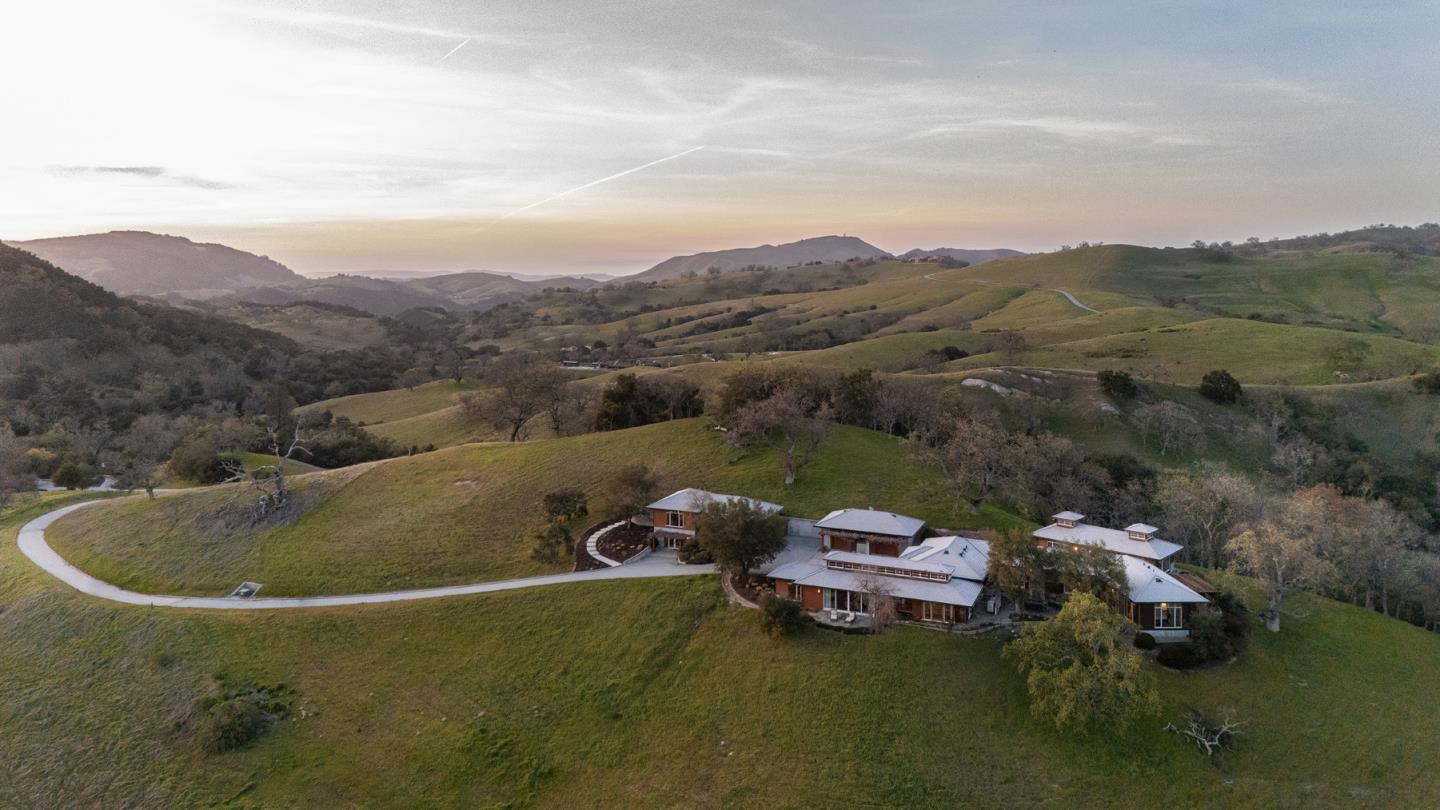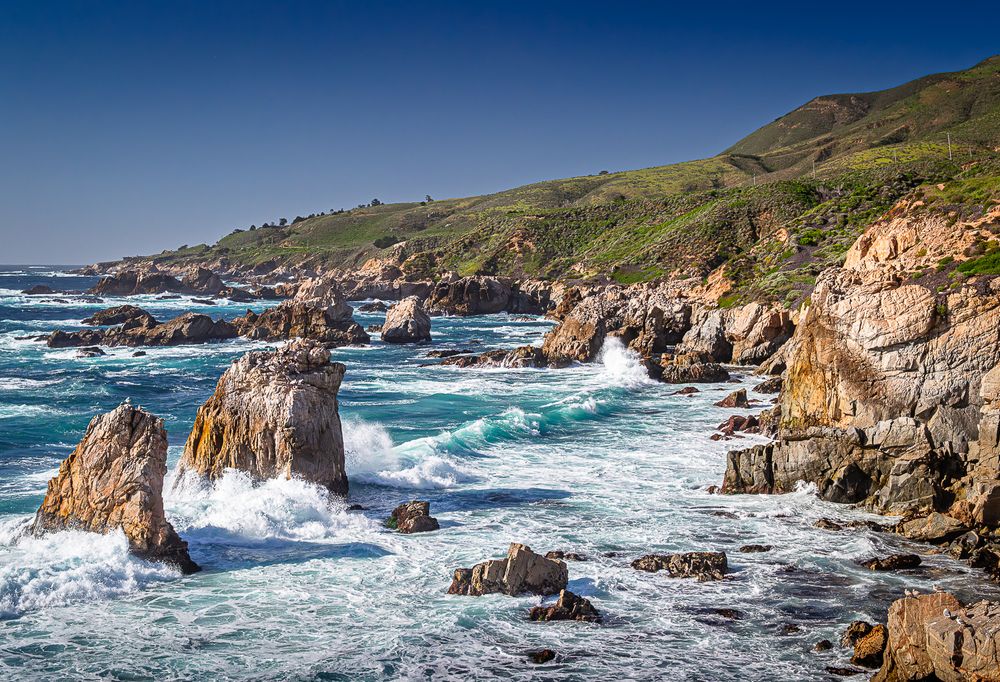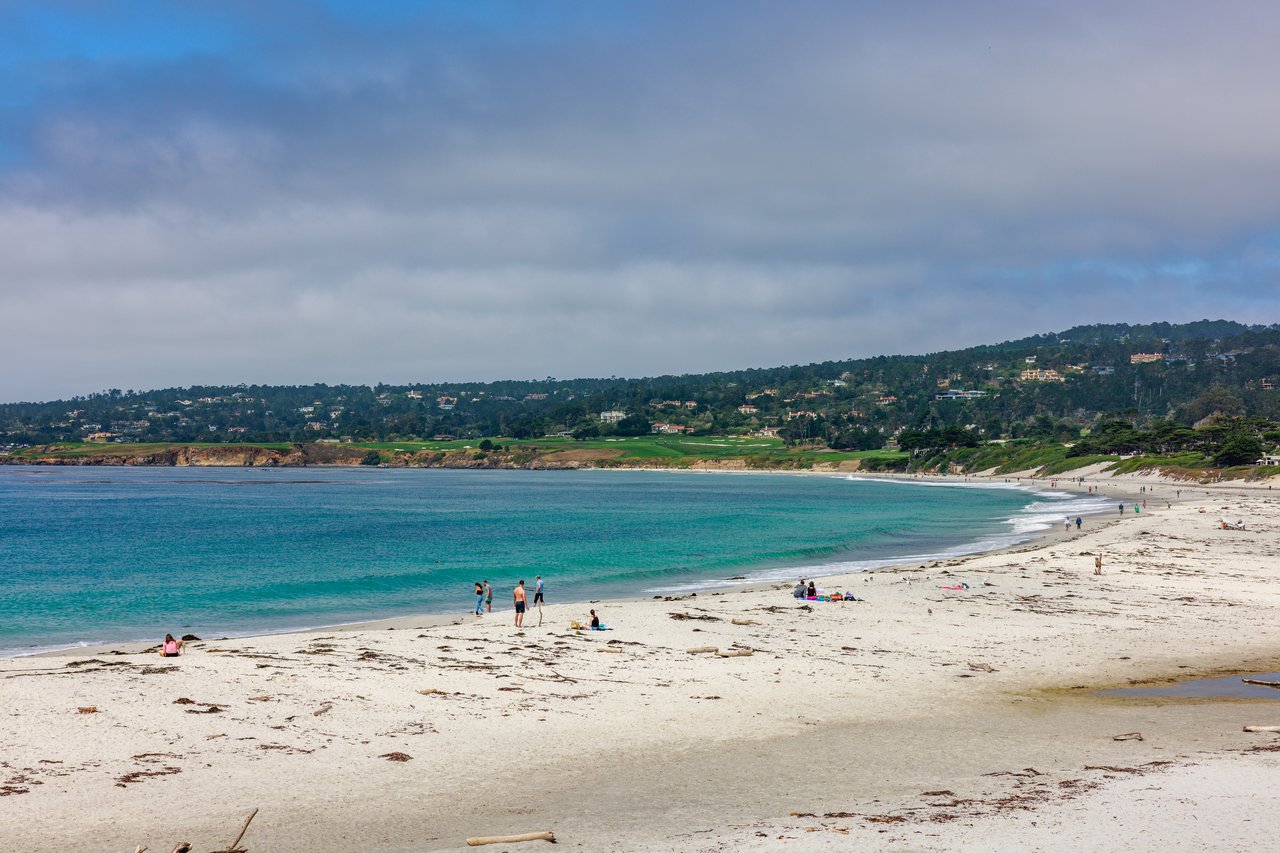
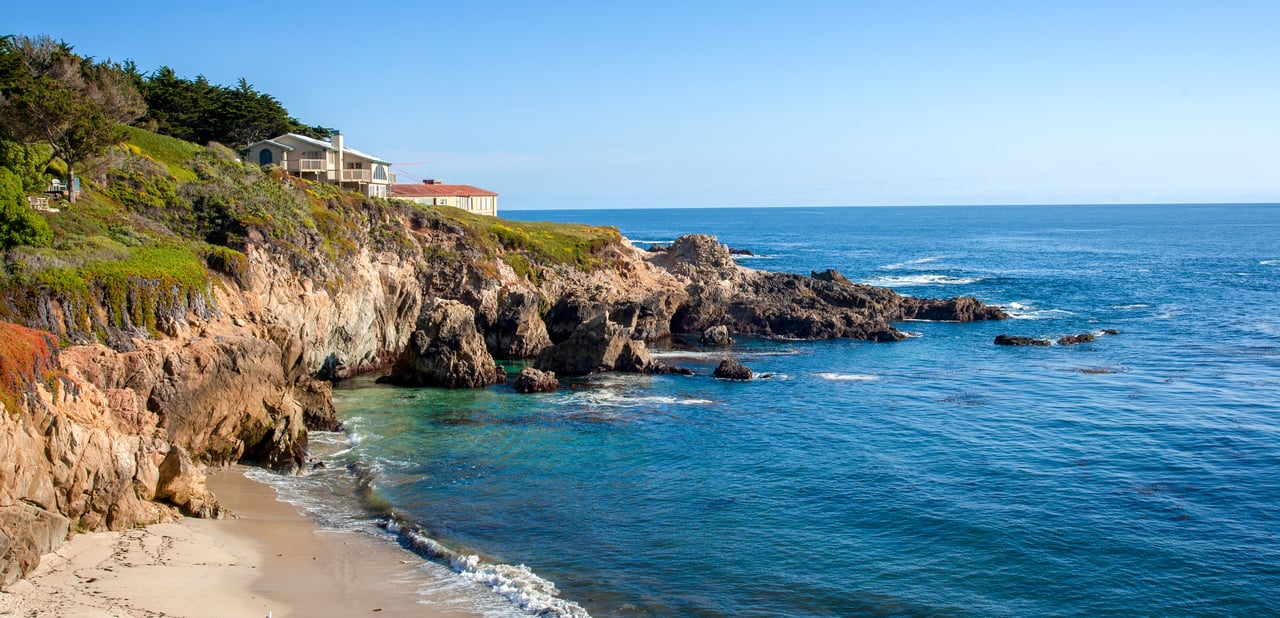
Carmel-by-the-Sea is unlike any other real estate market in California. With a permanent population of approximately 3,162 residents, it is one of the smallest incorporated cities in the state, yet it commands an international reputation as a destination for art, architecture, cuisine, and extraordinary natural beauty. The village sits on a white sand bay at the southern end of the Monterey Peninsula, bordered by the Pacific Ocean to the west, Pebble Beach and the Del Monte Forest to the north, and the rolling hills of Carmel Valley to the east. Its combination of fairy-tale village architecture, strict design standards, world-class cultural programming, and immediate ocean access has made it one of the most consistently desirable places to own property in the United States.
Real estate in Carmel CA is not a market most buyers stumble into. It is a deliberate choice made by buyers who have explored the full range of California coastal communities and concluded that Carmel offers something that cannot be replicated elsewhere: a village that has protected its character for over a century, a civic culture that prizes art and quality over development and scale, and a natural setting of genuinely rare beauty. For buyers at the highest level of the Monterey Peninsula market, Carmel-by-the-Sea is the destination. For buyers exploring the broader Peninsula, understanding Carmel helps define what the region's ceiling looks like.
If you are comparing Carmel to other Monterey Peninsula communities, see our neighborhood guides for Monterey, Seaside, Salinas, and Pebble Beach for context on how these markets compare.
Carmel-by-the-Sea CA real estate is performing with the resilience and premium pricing power characteristic of a market defined by constrained supply and enduring global demand. The median sale price for homes in Carmel-by-the-Sea reached approximately $3,347,500 in March 2026, reflecting the city's position at the upper tier of the Monterey Peninsula market. The average home value across the broader Carmel area sits at approximately $2,280,971, up 0.8% over the past year according to Zillow. The sale-to-list ratio in the city was 99.64% in early 2026, with approximately half of homes selling at or above asking price, a meaningful signal of buyer competition in a tightly inventoried village.
Homes in Carmel-by-the-Sea are averaging approximately 28 days on market, with the most desirable properties going pending in as few as 7 days. This reflects a healthy but selective market where qualified, motivated buyers move quickly when the right property appears and where less compelling listings are evaluated carefully.
The broader Carmel market encompasses multiple sub-markets with meaningfully different price profiles. Carmel Highlands, the bluff-top community south of the village, carries a median sale price of approximately $2,850,000. Carmel Valley, the inland corridor extending east from the village, averages approximately $1,419,758, offering buyers a more accessible entry into the Carmel community at a lower price point than the ocean-facing inventory.
The 10-year cumulative appreciation rate for Carmel-by-the-Sea real estate is approximately 120.07%, ranking the city in the top 20% of all U.S. markets nationally and above 90% of California cities according to NeighborhoodScout. This equates to an average annual appreciation rate of approximately 8.21%, establishing Carmel as not only a lifestyle destination but a proven long-term investment market. Browse current Carmel CA real estate listings or explore pre-set property searches to filter by neighborhood and price.
The Carmel real estate market spans several distinct communities, each with its own character, price profile, and buyer type. Understanding these differences is essential to navigating this market with confidence.
Carmel-by-the-Sea (The Village) is the core of the market and the source of its global identity. Bounded by Ocean Avenue, the beach, and the surrounding residential streets, the village contains a dense mix of cottage-style homes, custom residences, and a small number of condominiums. Properties here are identified not by street numbers but by names and directional descriptions, a tradition that has defined the village's character since 1916 and reflects its longstanding resistance to standardization. Design guidelines are strictly enforced, and no chain stores or franchise restaurants operate within village limits. Homes in the village proper trade at a significant premium and rarely remain available for long.
Carmel Point is the village's most coveted residential sub-area, a finger of land extending toward the ocean at the southern edge of the village proper. Properties here sit at or near the water, with direct views of the Pacific and immediate access to Carmel River State Beach. Point properties represent the pinnacle of Carmel-by-the-Sea ownership and command prices that reflect that position.
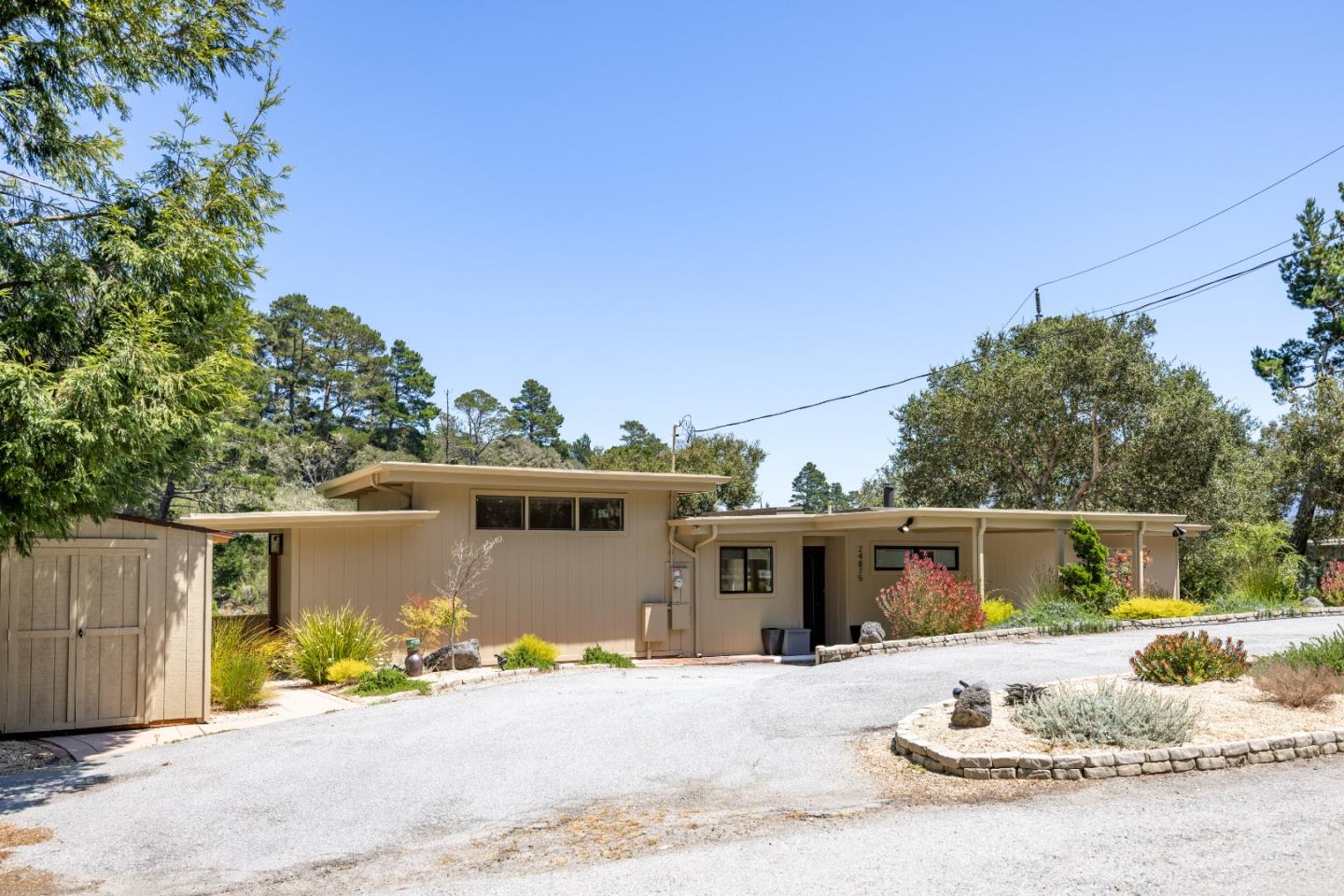
Hatton Fields and Carmel Woods are the village's primary residential neighborhoods for buyers seeking larger lots, more square footage, and a quieter character than the Ocean Avenue corridor. Both areas contain a mix of traditional cottages, mid-century homes, and significant custom estates on wooded lots. These neighborhoods are walkable to the village core and offer a distinctly residential feel at prices that remain substantial but offer more value per square foot than village-front properties.
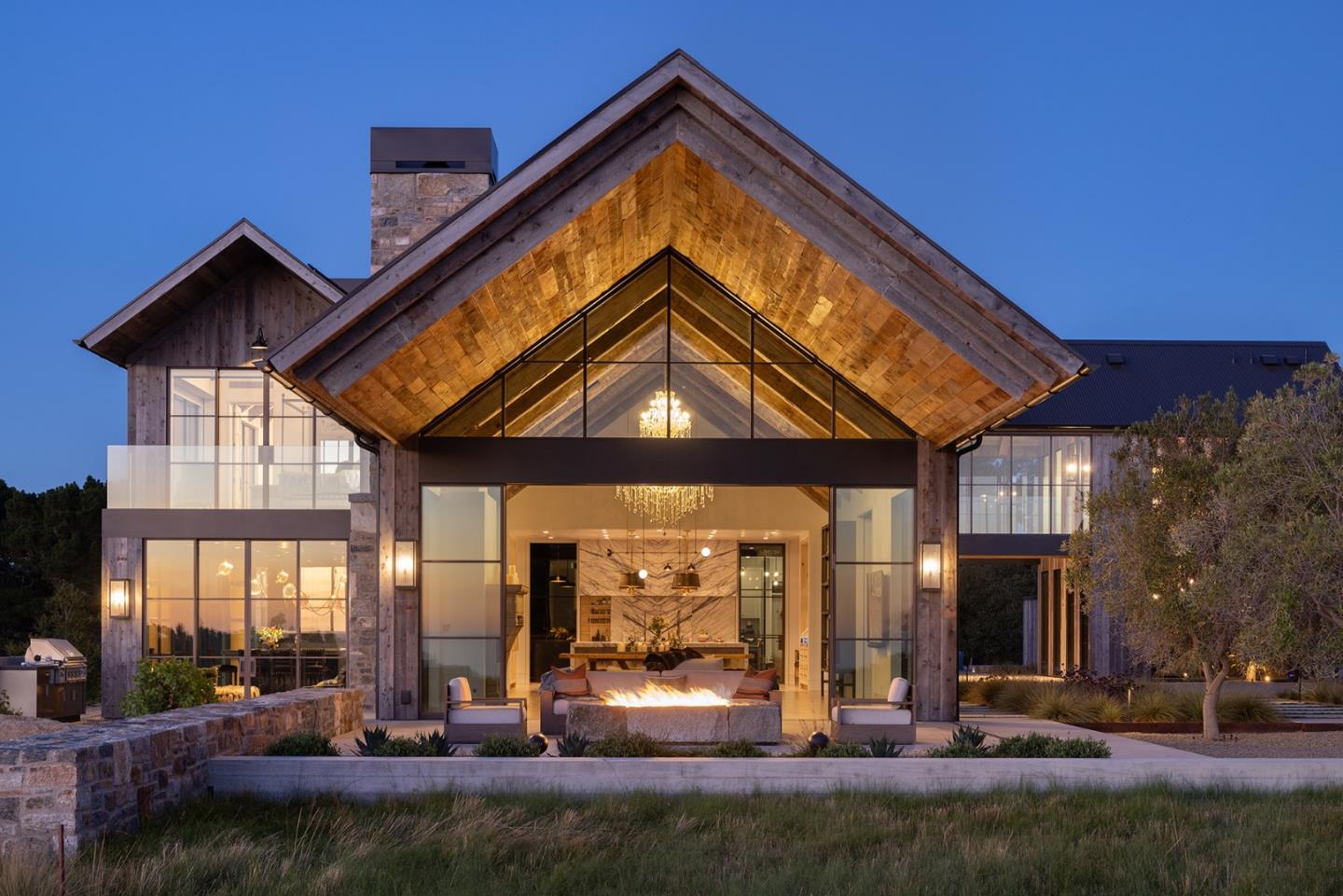
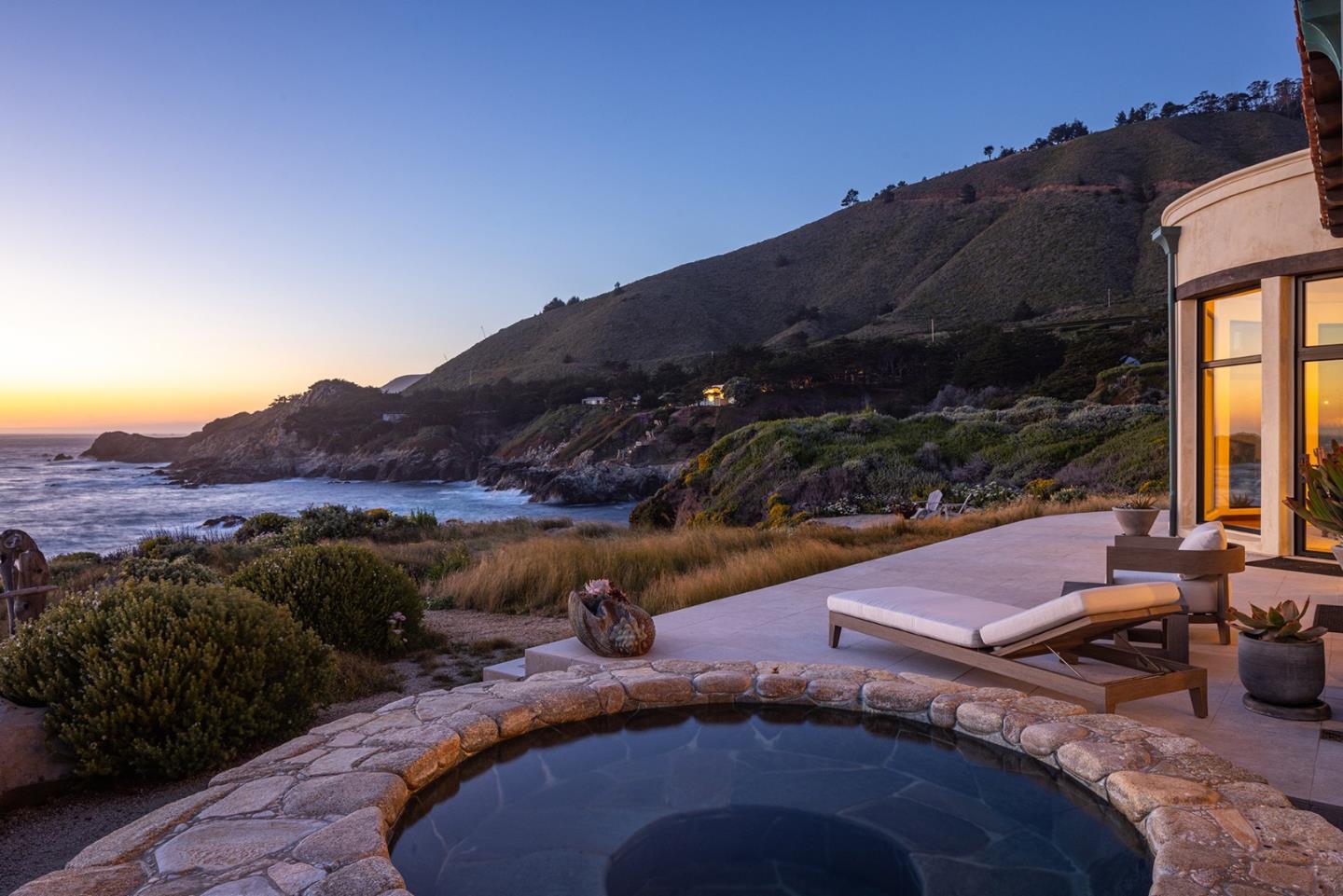
Carmel Highlands is a separate and distinctly dramatic community located along the coastal bluffs south of the village toward Point Lobos. Properties here are large, private, and often perched on cliff edges with unobstructed ocean views and immediate access to some of the most spectacular coastal terrain in California. Prices range from the low $2 million range to well above $20 million for the most exceptional properties. The median sale price over the last 12 months has been approximately $2,850,000.
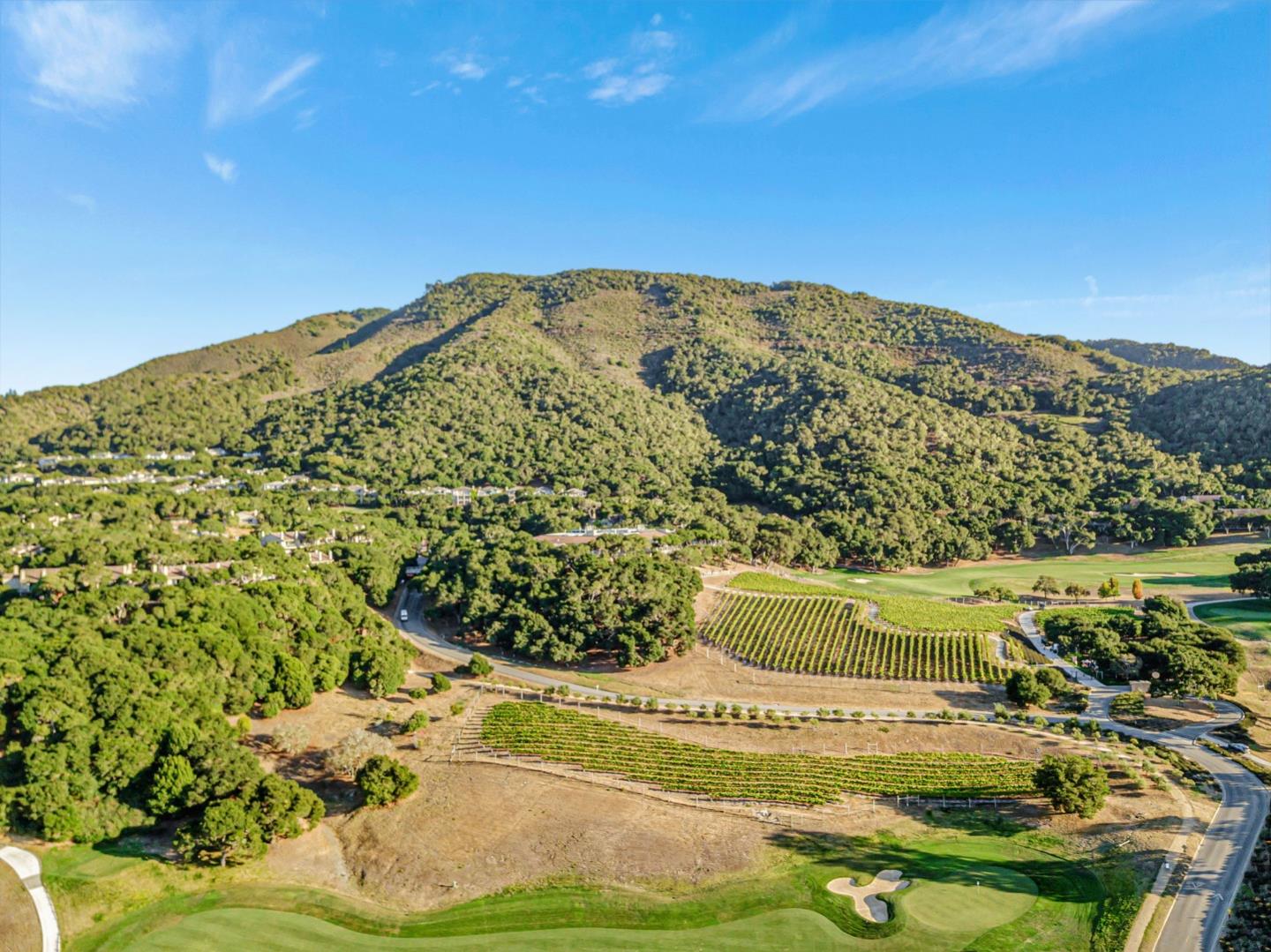
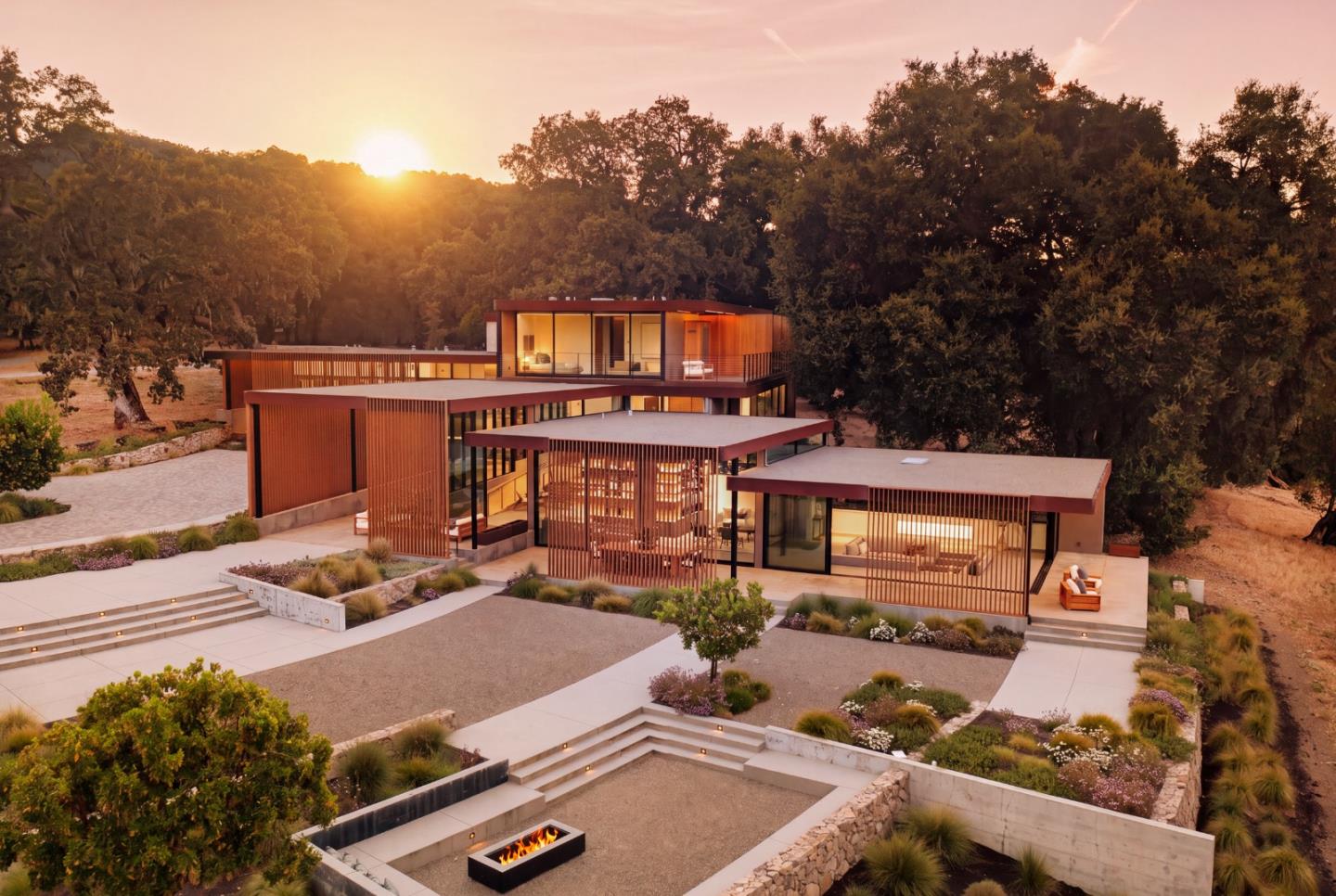
Carmel Valley is the inland corridor extending east from Carmel-by-the-Sea toward the Santa Lucia Range foothills. Carmel Valley Village, the community's commercial center, anchors a broader area of ranches, wine estates, equestrian properties, and residential communities. With an average sale price of approximately $1,419,758, Carmel Valley offers buyers a meaningful entry into the Carmel community at a lower cost than ocean-facing inventory, along with a sunnier microclimate, more land, and a wine country lifestyle that is unavailable in the coastal village.
For buyers comparing these sub-markets to neighboring communities, our blog post on comparing the neighborhoods of the Monterey Peninsula provides useful context.
Carmel-by-the-Sea is a community built around a deliberate way of life. From its founding as an artists' colony in the early twentieth century, the village has maintained a civic philosophy that prioritizes beauty, culture, and the quality of the human experience over commercial development and density. There are no traffic signals in the village, no street lights on most residential streets, no franchise businesses of any kind, and no home mail delivery. Residents collect their post at the village post office, where the daily ritual of checking the mail has functioned for generations as one of Carmel's informal gathering traditions.
The community is affluent and highly educated. The median household income in Carmel-by-the-Sea is $129,250, with an average household income of $193,564. Approximately 49.8% of residents hold a bachelor's degree, and 22.9% hold a master's degree or doctorate. The median age is 68.5 years, reflecting a population that skews heavily toward established professionals, retirees, and full- and part-time residents who have made Carmel their primary or secondary home after careers elsewhere. The homeownership rate is approximately 60.1%.
The arts are not incidental to life in Carmel; they are central to it. Ocean Avenue and the surrounding streets host dozens of fine art galleries representing painters, sculptors, photographers, and ceramicists from across California and internationally. The Carmel Art Association, founded in 1927, is one of the oldest continuously operating artist-member galleries in the United States. Carmel Culinary Week, the monthly Carmel Art Walk, and a full annual calendar of cultural events make this a community where art is woven into everyday civic life in a way that is genuinely uncommon.
The climate in Carmel-by-the-Sea is famously mild, cool, and often foggy, moderated by the cold water of Monterey Bay and the prevailing marine layer. Summer highs rarely exceed the low 70s, and winters are cool but frost-free. This climate sustains the lush gardens and ancient cypress trees that define the village's visual character, and makes outdoor living comfortable year-round for those who embrace the coastal environment.
Residents who own homes for sale in Carmel CA have access to one of the richest cultural and recreational environments on the California coast.
Homes for sale in Carmel CA require specific knowledge to navigate well. Our buyers guide covers the full transaction process from initial search through closing.
Supply is structurally constrained. Carmel-by-the-Sea is a fully built village with extremely limited new construction. The city's design review process is rigorous, and additions or modifications to existing homes require approval that reflects the village's historic character guidelines. This supply constraint is one of the primary structural drivers of long-term appreciation, but it also means that buyers who find the right property need to be prepared to act. Use our mortgage calculator and affordability calculator to establish your parameters before you start touring.
Homes have no street addresses in the traditional sense. Carmel-by-the-Sea is one of the only communities in the United States where residential properties are still identified primarily by name and location description rather than numbered street addresses. While the city council approved the establishment of a formal street address system in 2024, implementation is ongoing. Buyers should work with an agent familiar with the local identification conventions to navigate the village's property records and access process.
Design guidelines govern what can be built and how. The city's architectural review process is one of the most protective in California. Exterior modifications, additions, and new construction are all subject to review that emphasizes compatibility with the village's historic character. Buyers planning renovations should consult with an architect familiar with Carmel's specific design standards before closing, and should factor permitting timelines into their planning.
Understand the sub-market you are buying in. The Carmel market is not homogeneous. Village proper, Carmel Point, Hatton Fields, Carmel Woods, Carmel Highlands, and Carmel Valley all trade at different price levels and involve different lifestyle tradeoffs. An agent who understands the specific micro-market dynamics, recent comparables, and off-market opportunities across all of these areas is essential to making a confident purchase in this market.
The investment case is strong and well-documented. A 10-year cumulative appreciation rate of 120.07% and an average annual rate of 8.21%, ranking Carmel in the top 20% of all U.S. markets, reflects the structural advantages of owning in a supply-constrained, globally recognized destination with consistent demand from both domestic and international buyers. Our blog post on buying in a luxury coastal market provides additional context on what long-term ownership in this segment looks like.
Current market conditions in Carmel favor well-positioned sellers. A sale-to-list ratio of 99.64%, with approximately half of homes selling at or above asking price, and a median days-on-market figure of approximately 28 days, reflects a market where serious buyers are active and prepared to transact at appropriate prices. Our sellers guide outlines everything you need to know from pre-listing preparation through closing.
Pricing in this market requires precision and genuine local expertise. While the market is competitive, Carmel buyers are among the most sophisticated and well-researched in California. Overpricing in a market where comparable transactions are infrequent and individual properties are highly distinctive can result in extended time on market and the perception that something is wrong with the listing. A rigorous, data-driven home valuation based on actual recent transactions in the specific sub-market is the essential starting point.
Presentation at the highest level is non-negotiable. Carmel buyers expect professional photography, architectural videography, and marketing materials that reflect the quality of the property and the market. The J.R. Rouse Properties Group's marketing approach, combined with the global reach of the Sotheby's International Realty network, ensures that your listing reaches the qualified buyers who are most likely to recognize and pay for what a Carmel property offers. Use our home sale calculator to model your net proceeds.
Know who your buyer is. Carmel attracts a global buyer pool: affluent retirees and second-home buyers from the Bay Area and Southern California, international purchasers from Europe and Asia who follow the Pebble Beach and Carmel art and golf circuits, and buyers relocating from other luxury markets who have identified Carmel as a rare combination of natural beauty, cultural depth, and long-term investment quality. Reaching this audience requires a platform that extends well beyond the local MLS, which is precisely what the Sotheby's International Realty global network provides.
The range of property types among homes for sale in Carmel CA is narrower than most Peninsula markets, defined by the village's history, character, and land constraints, but the quality and distinctiveness of available properties is unmatched anywhere on the California coast.
Search all active listings or use our pre-set searches to filter Carmel properties by type, price, and sub-market.
Yes, for buyers in the appropriate price range, real estate in Carmel CA offers a combination of lifestyle quality, structural supply constraints, and long-term appreciation that is genuinely difficult to find elsewhere in California. With a 10-year cumulative appreciation rate of 120.07%, ranking Carmel in the top 20% of all U.S. markets, and a global reputation that sustains demand regardless of broader market cycles, Carmel rewards buyers who are in a position to hold quality assets for the long term.
The median sale price for homes in Carmel-by-the-Sea was approximately $3,347,500 in March 2026, with an average home value across the broader area of approximately $2,280,971. Carmel Highlands carries a median closer to $2,850,000, while Carmel Valley averages approximately $1,419,758. Use our home search to view current active listings across all sub-markets and price tiers.
Carmel-by-the-Sea has historically identified properties by name and directional description rather than numbered addresses, a tradition dating to the village's founding in the early twentieth century. Properties carry names such as "Sea Castle," "Faux Chateau," or are described by their location relative to cross streets. The city council approved establishing a formal street address system in 2024, and implementation is currently ongoing. Buyers should work with a local agent who is familiar with the traditional identification system when researching and accessing properties.
Homes in Carmel-by-the-Sea are currently averaging approximately 28 days on market, with the most desirable properties going pending in as few as 7 days. Buyers who are serious about a specific property should be financially prepared and ready to act when the right listing appears.
Carmel Point is the market's most coveted address for ocean proximity. Carmel Highlands is the choice for buyers seeking dramatic bluff-top views and larger properties. Hatton Fields and Carmel Woods offer more land and square footage at relatively better value within the village community. Carmel Valley is the best option for buyers who want more acreage, sunnier weather, and a wine country lifestyle at a lower price point than the coastal village.
Yes. The Carmel Unified School District serves Carmel-by-the-Sea and the surrounding community with a full complement of public schools including Carmel River Elementary, Robert Down Elementary, Carmel Middle School, and Carmel High School. Stevenson School, a well-regarded private institution serving Pre-K through grade 8, is also located in the Carmel community. Contact our team for guidance on school attendance boundaries by specific property location.
When evaluating real estate agents in Carmel CA, look for demonstrated transaction history across the village's specific sub-markets, deep knowledge of the design review process and local development constraints, and the global marketing reach to access the international buyer pool that Carmel commands. Meet the J.R. Rouse Properties Group team and read what clients have to say on our testimonials page.
Whether you are searching for homes for sale in Carmel CA for the first time, looking to acquire a specific type of village cottage or coastal estate, or preparing to list one of the Monterey Peninsula's most distinctive properties, J.R. Rouse Properties Group brings the local expertise, transaction depth, and global marketing platform to serve you at the highest level. As part of the Sotheby's International Realty global network, our team connects Carmel buyers and sellers to a qualified international audience that reaches the Pacific Rim, Europe, and well beyond the Bay Area.
Real estate in Carmel CA operates by its own rules and its own standards. We know this market in depth, and we are here to help you navigate it with clarity, precision, and confidence.
Contact J.R. Rouse Properties Group today to explore homes for sale in Carmel CA or to request a complimentary market analysis for your property.
Explore Other Monterey County Communities
Market data reflects available information through early 2026 and is subject to change. For current Carmel CA real estate listings and personalized market guidance, contact J.R. Rouse Properties Group directly.
12,377 people live in Carmel, where the median age is 60.4 and the average individual income is $103,010. Data provided by the U.S. Census Bureau.
Total Population
Median Age
Population Density Population Density This is the number of people per square mile in a neighborhood.
Average individual Income
There's plenty to do around Carmel, including shopping, dining, nightlife, parks, and more. Data provided by Walk Score and Yelp.
Explore popular things to do in the area, including Alexander Gourmet Foods, Ellem Publishing Press, and Valley Kitchen.
| Name | Category | Distance | Reviews |
Ratings by
Yelp
|
|---|---|---|---|---|
| Dining | 0.58 miles | 2 reviews | 5/5 stars | |
| Dining | 4.75 miles | 0 reviews | 0/5 stars | |
| Dining · $$$ | 4.77 miles | 203 reviews | 3.9/5 stars | |
| Dining | 4.9 miles | 0 reviews | 0/5 stars | |
| Dining | 4.92 miles | 0 reviews | 0/5 stars | |
| Dining | 4.94 miles | 0 reviews | 0/5 stars | |
| Shopping | 4.93 miles | 0 reviews | 0/5 stars | |
| Active | 1.21 miles | 2 reviews | 5/5 stars | |
| Active | 3 miles | 0 reviews | 0/5 stars | |
| Active | 4.4 miles | 140 reviews | 4.7/5 stars | |
| Active | 4.48 miles | 8 reviews | 4.4/5 stars | |
| Active | 4.52 miles | 1 review | 4/5 stars | |
| Active | 4.65 miles | 199 reviews | 3.5/5 stars | |
| Active | 4.69 miles | 8 reviews | 5/5 stars | |
| Active | 4.75 miles | 0 reviews | 0/5 stars | |
| Active | 4.83 miles | 650 reviews | 3.9/5 stars | |
| Active | 4.83 miles | 2 reviews | 5/5 stars | |
| Active | 4.94 miles | 1 review | 5/5 stars | |
| Beauty | 0.58 miles | 0 reviews | 0/5 stars | |
| Beauty | 0.58 miles | 0 reviews | 0/5 stars | |
| Beauty | 4.74 miles | 53 reviews | 4.1/5 stars | |
|
|
||||
|
|
||||
|
|
||||
|
|
||||
|
|
||||
|
|
Carmel has 5,478 households, with an average household size of 2.23. Data provided by the U.S. Census Bureau. Here’s what the people living in Carmel do for work — and how long it takes them to get there. Data provided by the U.S. Census Bureau. 12,377 people call Carmel home. The population density is 61 and the largest age group is Data provided by the U.S. Census Bureau.
Total Population
Population Density Population Density This is the number of people per square mile in a neighborhood.
Median Age
Men vs Women
Population by Age Group
0-9 Years
10-17 Years
18-24 Years
25-64 Years
65-74 Years
75+ Years
Education Level
Total Households
Average Household Size
Average individual Income
Households with Children
With Children:
Without Children:
Marital Status
Blue vs White Collar Workers
Blue Collar:
White Collar:
Our team listens closely, works tirelessly, and puts your goals at the center of everything we do. Whether you're buying, selling, or simply exploring your options, we’re here to guide you with expertise, every step of the way.
J.R. Rouse Properties Group
574 Lighthouse Ave Pacific Grove CA 93950 J.R. Rouse | CA DRE# 01299649 | MLS ID 70010296